
305-468-3314

3650 NW 82nd Avenue, Suite 502, Miami, FL 33166


Best Kidney Cancer Surgeon Mount Sinai Miami
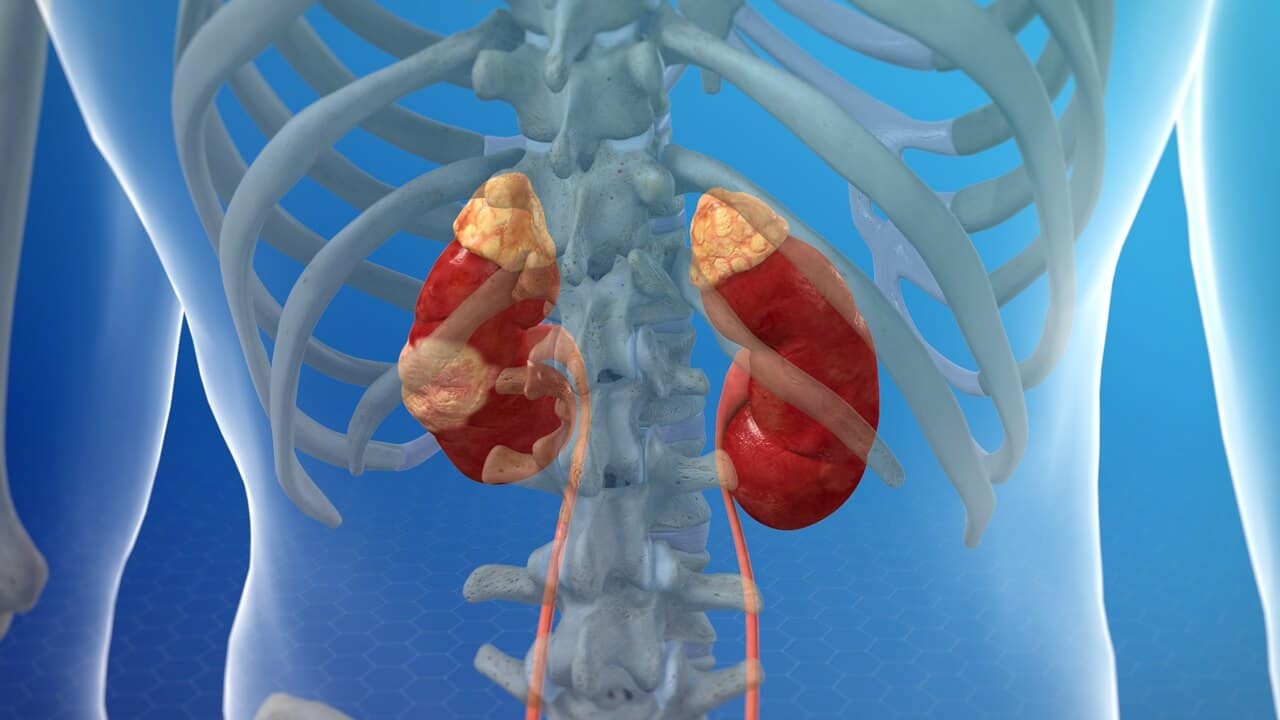
When you’re facing a kidney cancer diagnosis, the surgeon’s skill and experience can meaningfully shape both your treatment and your recovery. If you’re in the Miami Beach area weighing your options — including Mount Sinai Medical Center — it helps to start with the numbers: kidney cancer is diagnosed in an estimated 80,450 Americans every year, and roughly two-thirds of cases are caught while still confined to the kidney, where the 5-year relative survival rate reaches 93.3%.
Dr. Shirin Razdan is a board-certified urologic oncologist and robotic surgeon offering kidney cancer evaluation and treatment for patients throughout Miami, including those in the Miami Beach area. This guide covers what kidney cancer is, how it’s treated, and what matters most when choosing where to get care.
Kidney Cancer: Quick Facts
| Statistic | What the Data Shows |
| New U.S. cases annually | About 80,450, among the 10 most common cancers nationwide |
| Diagnosed at localized stage | About 65.7% of cases |
| 5-year survival, localized stage | 93.3% |
| 5-year survival, all stages combined | 79.2% |
| Sex distribution | About twice as common in men as in women |
| Most common type | Renal cell carcinoma (RCC), accounting for about 90% of cases |
Understanding Kidney Cancer
Kidney cancer is the abnormal growth of cells in one of your two kidneys — the bean-shaped organs located behind your abdominal organs, one on each side of the spine. Early kidney cancer typically causes no symptoms at all. As it progresses, symptoms can include:
- Blood in the urine
- Persistent pain in the side or back
- A lump in the side or abdomen
- Fever that doesn’t resolve
- Severe or ongoing fatigue
- Sudden, unexplained weight loss
Types of Kidney Cancer
- Renal cell carcinoma (RCC): The most common form, accounting for roughly 90% of cases
- Transitional cell cancer (urothelial cancer): Begins in the lining of the renal pelvis or ureter
- Renal sarcoma: A rarer cancer arising from connective tissue in the kidney
- Wilms tumor: A kidney cancer that occurs almost exclusively in children
Risk Factors
- Smoking
- Obesity
- High blood pressure
- Family history of kidney cancer
- Exposure to certain chemicals
- Advancing age
- Long-term dialysis
How Kidney Cancer Is Diagnosed
Diagnosis typically combines imaging — CT scan, MRI, or ultrasound — with blood and urine tests, and occasionally a biopsy when imaging alone doesn’t provide a clear picture. Earlier detection is strongly linked to better outcomes, which is why persistent or combined symptoms deserve prompt evaluation rather than being monitored indefinitely on your own.
Treatment Options for Kidney Cancer
| Treatment | What It Involves | Best For |
| Active surveillance | Regular imaging monitors a small tumor without immediate treatment | Small, slow-growing tumors, particularly in older patients — see our guide on whether robotic kidney surgery is suitable for older patients if age is a factor in your decision |
| Robotic partial nephrectomy | Removes only the cancerous portion, preserving healthy kidney tissue | Tumors where preserving kidney function is a priority; see how this compares in our guide to robotic partial nephrectomy vs. traditional surgery |
| Robotic radical nephrectomy | Removes the entire kidney through small incisions | Larger or more centrally located tumors |
| Single Port robotic surgery | The procedure performed through one small incision | Appropriately selected patients seeking the least invasive surgical option |
| Targeted therapy / immunotherapy | Systemic medication to control cancer that has spread | Advanced or metastatic disease |
How a tumor is positioned within the kidney significantly influences which surgical approach is safest and most effective — our guide on how tumor location affects kidney cancer surgery and outcomes explains why two patients with similarly sized tumors can end up with very different treatment plans.
Why Robotic Surgery Is Often Preferred
- Smaller incisions, meaning less scarring
- Reduced blood loss during the procedure
- Faster return to normal activities
- Generally less post-operative pain than traditional open surgery
- Low rate of serious complications in appropriately selected patients
That said, robotic surgery isn’t the right fit for every kidney cancer case — tumor size, location, and overall health all factor into whether a minimally invasive approach is appropriate. Outcomes are also closely tied to how much experience a surgeon has with the specific technique; our guide on why choosing a high-volume robotic kidney surgeon improves long-term cancer outcomes explains what to ask any surgeon you’re considering.
What Recovery Actually Looks Like
Dr. Razdan’s team provides detailed guidance on pain management and recovery milestones so patients know what to expect at each stage. In general, robotic surgery patients experience a meaningfully shorter recovery than those who undergo traditional open surgery — our full breakdown of the recovery timeline after robotic kidney cancer surgery walks through what to expect week by week.
Choosing Where to Get Treated
Mount Sinai Medical Center has an established team of urologic and surgical oncologists, and larger hospital systems offer real advantages, including multidisciplinary coordination across specialties. At the same time, many patients value the continuity of working directly with a dedicated urologic oncologist throughout their entire treatment journey — from initial consultation through surgery and long-term follow-up. When comparing your options, it’s worth asking directly:
- How many robotic kidney surgeries does the surgeon perform each year?
- Is a kidney-preserving (partial nephrectomy) approach appropriate for my tumor?
- What does my personal recovery timeline realistically look like?
- How will follow-up care and monitoring be handled going forward?
Seeking a second opinion is widely considered good medical practice for any cancer diagnosis — not a reflection on any provider — and it’s one of the most valuable steps you can take before committing to a treatment plan. If you’re thinking about your longer-term outlook, our article on whether kidney cancer is curable explains how stage and tumor type shape that answer.
Frequently Asked Questions
How is kidney cancer diagnosed?
Kidney cancer is primarily diagnosed through imaging — CT scan, MRI, or ultrasound — along with blood and urine tests, and sometimes a biopsy. Earlier detection is strongly associated with better treatment outcomes.
What are the advantages of robotic surgery for kidney cancer?
Robotic surgery generally offers smaller incisions, less blood loss, faster recovery, less post-operative pain, and a low rate of complications compared to traditional open surgery, when performed by an experienced surgeon on an appropriately selected patient.
How important is early detection of kidney cancer?
Very. Cancer caught while still confined to the kidney has a 93.3% five-year survival rate, compared to 79.2% across all stages combined — which is why persistent symptoms or known risk factors warrant prompt evaluation.
Is robotic surgery appropriate for every kidney cancer patient?
No. While robotic surgery offers real benefits, tumor size, location, and the patient’s overall health all factor into whether it’s the right approach. A thorough evaluation determines whether robotic, open, or another treatment path fits your specific case best.
How common is kidney cancer?
It’s among the 10 most common cancers in the U.S., with an estimated 80,450 new cases diagnosed annually, and it’s about twice as common in men as in women.
What’s the difference between a partial and radical nephrectomy?
A partial nephrectomy removes only the cancerous portion of the kidney, preserving healthy tissue and function. A radical nephrectomy removes the entire kidney and is typically reserved for larger or more centrally located tumors.
Should I get a second opinion before deciding on treatment?
Yes — getting a second opinion is considered good practice for any cancer diagnosis and can help confirm your diagnosis and clarify your treatment options, regardless of which provider you ultimately choose.
Is kidney cancer surgery appropriate for older patients?
Often, yes — robotic and minimally invasive approaches can be well-suited to older patients specifically because of their shorter recovery time and lower physical toll compared to open surgery, though each case is evaluated individually based on overall health.
To learn more about Dr. Razdan’s background and surgical approach, visit her about page, or reach out to schedule a consultation.