



Renal cancer is discovered in two fist-sized kidneys that resemble the shape of a bean. Your kidneys are located behind other organs in your abdomen. You have one on each side of your spine. In the United States, an estimated 62,700 new cases of kidney cancer are reported annually. The severity of your kidney cancer will determine what type of therapy or combination of treatments you will receive.
Although kidney cancer initially shows no overt symptoms, these signs may develop as the tumor grows.
- Hematuria is the term used to describe blood in the urine.
- Prolonged side or back pain accompanied by unanticipated or undesired weight loss
- Feeling fatigued
- Abdominal mass or lump
The Main Cause of Kidney Cancer
Although there is no known cause, but there are several risk factors of kidney cancer that can increase your chances of developing this disease. These include:
- Smoking: Those who smoke are more likely to develop kidney cancer. An individual’s risk is also increased by the amount of time they smoke.
- Obesity: Obesity has been connected to kidney cancer. Generally speaking, being overweight increases one’s risk.
- A higher risk of kidney cancer has been linked to high blood pressure or hypertension.
- Kidney cancer may run in the family, increasing a person’s risk of getting the disease.
- Radiation therapy: Women with reproductive organ cancer who receive radiation therapy have an increased chance of developing kidney cancer.
- Mutations in genes: Genes are the instructions necessary for cells to function properly. Changes in the genes may increase the risk of kidney cancer.
- The long-term treatment of dialysis involves purifying your blood with a specialized machine. Dialysis is a treatment option for kidney failure.
- Intellectual disability, seizures, and tumors in multiple organs are among the symptoms of tuberous sclerosis complex.
- Kidney cancer risk is increased by von Hippel-Lindau disease (VHL), a genetic disorder. Usually, this condition results in brain and eye non-cancerous blood vessel tumors.
Surgical Methods for Kidney Cancer
Nephrectomy, which includes fully or partially removing the kidney, is the main type of surgical procedure to treat kidney cancer. Many robotic nephrectomy techniques are used to get the best results for kidney-related issues. Numerous types of robotic nephrectomy techniques exist.
Robotically assisted partial nephrectomy
With a robotic partial nephrectomy, a section of the kidney is removed without damaging the remaining part of the kidney. A robotic partial nephrectomy is used to remove a kidney tumor while preserving as much kidney function as possible. To help remove the tumor affecting the area, the robotic system minimizes damage to healthy tissue during the procedure.
Robotic Living Donor Nephrectomy
This procedure is carried out when a kidney is donated to another individual. The donor recovers more quickly because the surgeon makes fewer incisions to remove the kidney during this procedure. Because the process is minimally invasive, it is advised for living kidney donation.
Robotic laparoscopic surgery for nephrectomy
Robotic laparoscopic nephrectomy combines the advantages of both techniques, requiring fewer incisions and the use of instruments to remove the kidney.
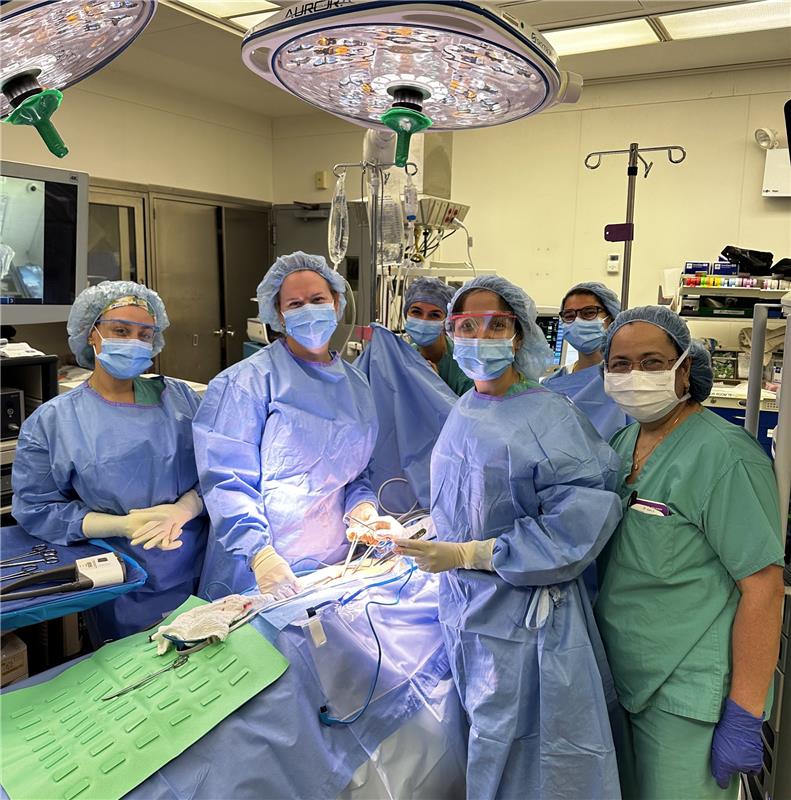
Robotic Nephrectomy: The Future of Kidney Cancer Surgery?
This minimally invasive surgical technique removes damaged kidney tissue caused by diseases like kidney cancer or kidney stones. Other kidney-related disorders, like severe trauma and non-functioning kidneys, are treated by surgically removing the kidney. Open surgery, which was originally utilized to perform nephrectomies, is linked to larger incisions and lengthy recovery times. Using a surgical robot equipped with robotic arms that carry high-definition cameras and surgical instruments is known as robotic nephrectomy. The surgeon skillfully manipulates the robotic arms using a robotic console. Comparatively speaking, the robotic surgical technique results in smaller incisions and faster recovery times than conventional methods.
Future robotic nephrectomy is anticipated to be enhanced by advanced technologies that allow for its integration with less invasive procedures and greater precision. Artificial intelligence integration is already being used to provide real-time assistance to the surgeon during complex procedures. Enhancements in training and simulation, along with increased affordability and accessibility, are making robotic surgery the standard. Robotics may offer new applications in the treatment of IVC thrombus and kidney transplantation.
Benefits of Robotic Nephrectomy
- Enhanced precision.
- Non-invasive surgical procedures.
- Reduced risks and complications.
- Less Pain
- Lower blood loss
- Better Outcomes.
Dr. Shirin Razdan | Renowned Kidney Cancer Specialist in Miami
Dr. Shirin Razdan is a well-known kidney cancer expert, one of the most skilled and well trained kidney cancer surgeons in Miami. Offering the latest kidney cancer treatment options makes Dr. Shirin Razdan the most in demand Robotic Urologic Surgeon in South Florida. She is the director of the Comprehensive Urological Surgery Institute in Miami, Florida.
As one of the most proficient and successful robotic surgeons, Dr. Shirin Razdan specializes in Urologic Oncology and provides a range of procedures for cancers, including kidney, bladder, and prostate cancer. Because of her expertise and skill, she can carry out a number of complex surgeries, including upper tract reconstructions. Furthermore, she has treated a variety of conditions, including erectile dysfunction, female stress urinary incontinence, kidney stones, bladder, prostate cancer, and penile cosmetic enhancement.
Dr. Shirin Razdan, a highly skilled and well-known kidney cancer surgeon based in Miami, Florida, is committed to providing each patient with the best care possible by getting to know their unique needs. She is a highly skilled and experienced kidney cancer surgeon in Miami with the ability to accurately and successfully perform robot-assisted kidney cancer surgeries. Many qualities make Dr. Shirin Razdan an excellent choice for kidney cancer surgery in Miami.
- Vast experience
- Proficiency with robotic-assisted surgery
- A patient-centered approach
- Innovative surgical techniques
- Incredible patient outcomes
Frequently Asked Questions on Robotic Nephrectomy
Question 1. How often is a robotic nephrectomy successful?
Answer – Generally, the success rate for robotic nephrectomy is higher, ranging from 94% to 100%. The type of procedure, the patient’s overall health, the surgeon’s experience, and the complexity of the case are some of the factors that determine the success rate.
Question 2. How do I know if I am eligible for a robotic nephrectomy at all?
Answer – A urologist will take into account a number of factors, including the location and size of the kidney tumor, your general health, and the kidney’s overall function when determining whether you are a good candidate for robotic nephrectomy. Determining the stage of kidney cancer is critical.
Question 3. What are the different types of kidney cancer?
Answer – Kidney cancer comes in a variety of forms.
- The acronym for renal cell carcinoma is RCC.
- The acronym TCC represents transitional cell carcinoma.
- Neuroblastoma tumor of Wilms.
- Renal sarcoma.
Question 4. In what ways can robotic kidney cancer surgery be advantageous?
Answer – The following are the primary benefits of robotic kidney cancer surgery.
- Quicker return to regular work or daily activities.
- Less time in the hospital (the majority of patients are discharged quickly)
- Reduced blood loss
- Less pain
- Reduced scarring and better cosmesis compared to open surgery.
- Decreased chance of infection