
305-468-3314

3650 NW 82nd Avenue, Suite 502, Miami, FL 33166


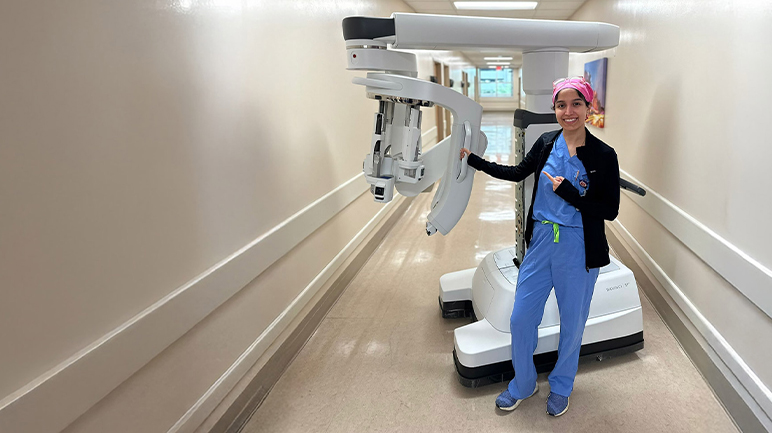
If you or a loved one in Doral has been told you need further evaluation for a kidney mass, you’re probably looking for two things: clear answers and a surgeon you can trust close to home. The good news on both fronts — kidney cancer is one of the more treatable cancers when caught early, with a 5-year relative survival rate of 93.3% for cancer still confined to the kidney, and renal cell carcinoma, the most common type, accounts for roughly 90% of all kidney cancer cases. This guide covers what you need to know, with a Miami-based specialist just minutes from Doral.
Dr. Shirin Razdan, Director of the Comprehensive Urological Surgery Institute in Miami, treats patients from Doral and across South Florida at her office on NW 82nd Avenue — a short drive from Doral via the Dolphin Expressway, without the need to travel further into downtown Miami or out of the area entirely for specialized robotic kidney cancer care.
Kidney Cancer: Quick Facts
| Statistic | What the Data Shows |
| Most common kidney cancer type | Renal cell carcinoma (RCC), accounting for about 90% of cases |
| Share of all adult cancers in the U.S. | Roughly 3% to 5% |
| Typical age range | Most common between ages 50 and 70 |
| Sex distribution | About twice as common in men as in women |
| 5-year survival, localized stage | 93.3% |
| 5-year survival, all stages combined | 79.2% |
| Diagnosed before symptoms appear | Many cases are found incidentally during imaging for unrelated issues |
What Is Kidney Cancer?
Kidney cancer develops when cells in the kidney — the organ responsible for filtering waste from your blood and producing urine — begin growing uncontrollably, forming a mass or tumor. Renal cell carcinoma is by far the most common form in adults; rarer types include transitional cell carcinoma and Wilms’ tumor, which occurs almost exclusively in children. Most kidney cancer causes no symptoms early on, which is why many cases are first discovered during imaging ordered for an unrelated reason.
Risk Factors
- Age: Risk rises after age 50, with most diagnoses occurring between 50 and 70
- Smoking: Roughly doubles the risk of kidney cancer
- Obesity: A well-established contributing factor
- High blood pressure: Long-term hypertension increases risk
- Family history: Having a close relative with kidney cancer raises your own risk
- Long-term dialysis: Associated with higher risk due to changes in kidney tissue over time
- Chemical exposure: Certain occupational exposures, including asbestos, cadmium, and some herbicides
Having one or more risk factors doesn’t mean you’ll develop kidney cancer — but it’s a good reason to discuss screening with your doctor, particularly if you have a family history.
Symptoms to Watch For
- Blood in the urine (hematuria), which may come and go
- Persistent pain in the back or side, below the ribs
- A noticeable lump or swelling in the abdomen or side
- Unintentional weight loss
- Ongoing fatigue
- Loss of appetite
These symptoms can also stem from other, less serious kidney conditions — but they’re consistent enough that persistent symptoms deserve a proper evaluation rather than being dismissed. For a fuller breakdown of what to watch for and what diagnosis typically involves, see our guide on understanding kidney cancer from diagnosis to surgical treatment options.
Treatment Options Available in Miami
| Treatment | What It Involves | Best For |
| Active surveillance | Regular imaging to monitor a small, slow-growing tumor without immediate treatment | Small tumors, particularly in older patients or those with other significant health concerns |
| Partial nephrectomy | Removal of only the cancerous portion of the kidney, preserving healthy tissue | Smaller tumors where kidney function preservation is a priority |
| Radical nephrectomy | Removal of the entire kidney, surrounding tissue, and sometimes nearby lymph nodes | Larger tumors or those extending beyond the kidney |
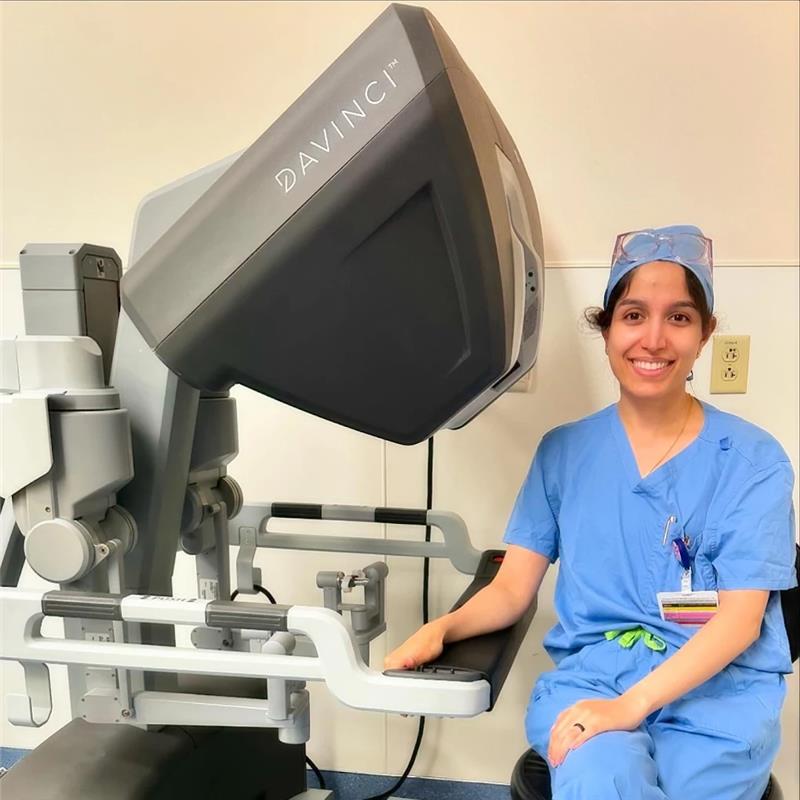
| Robotic-assisted surgery | Small incisions with robotic instruments offering enhanced precision over standard laparoscopic technique | Most appropriately selected partial and radical nephrectomy candidates |
| Single Port robotic surgery | The entire procedure performed through one small incision rather than several | Patients seeking the most minimally invasive option available, when appropriate for the tumor |
Dr. Razdan’s practice focuses on surgical management — robotic nephrectomy and active surveillance — which covers the right path for the large majority of kidney cancer diagnoses. When a patient’s cancer has spread beyond the kidney and requires chemotherapy, immunotherapy, or radiation as part of a broader treatment plan, Dr. Razdan coordinates directly with trusted medical oncology and radiation oncology partners in the area, so your care stays connected rather than starting over elsewhere. For more on how these treatment paths are typically chosen, see our guide to kidney cancer treatment options.
Why Choose Robotic Surgery?
- Smaller incisions mean less pain and a lower risk of infection compared to open surgery
- Enhanced surgical precision helps preserve healthy kidney tissue during partial nephrectomy
- Typically less blood loss during the procedure
- Shorter hospital stays — most patients go home within 2 to 3 days, compared to longer stays after traditional open surgery
- Faster return to normal daily activities
Understanding Your Diagnosis: RCC and Beyond
If your pathology report or imaging mentions “renal cell carcinoma,” it’s worth knowing exactly what that means and how it differs from kidney cancer as a broader category — our guide to kidney cancer vs. renal cell carcinoma breaks down the terminology clearly. And if you’re wondering about your long-term outlook, our article on whether kidney cancer is curable walks through what stage and tumor characteristics mean for your specific prognosis.
What to Expect: Diagnosis Through Recovery
- Initial evaluation: Physical exam, urinalysis, and blood tests to assess kidney function
- Imaging: CT scan, MRI, or ultrasound to characterize the mass
- Treatment planning: A personalized recommendation based on tumor size, location, and your overall health
- Surgery: Typically performed robotically when appropriate, often as an outpatient or short-stay procedure
- Recovery: Most robotic surgery patients spend 2 to 3 days in the hospital and return to light activity within a couple of weeks, with full recovery over the following weeks
- Follow-up: Regular imaging to monitor kidney function and check for recurrence
Serving Doral and Surrounding Communities
Doral residents don’t need to travel far for specialized, board-certified urologic oncology care. Dr. Razdan’s office is conveniently located for patients throughout western Miami-Dade, including Doral, Sweetwater, and Fontainebleau, offering the same advanced robotic and Single Port surgical techniques available at larger regional centers — with the continuity of a dedicated surgeon managing your care from consultation through recovery.
Frequently Asked Questions
Is robotic surgery safe for kidney cancer?
Yes. Robotic surgery is a well-established, effective approach for most kidney cancer cases, generally associated with less pain, less blood loss, and faster recovery than traditional open surgery. Outcomes depend significantly on surgeon experience with the technique.
Will my kidney function be affected after a partial nephrectomy?
A partial nephrectomy removes only the cancerous tissue, preserving the rest of the kidney. Most patients retain good kidney function afterward, particularly when the surgery is performed promptly and with precision.
Should I get screened if I don’t have symptoms?
If you fall into a higher-risk category — a smoker, someone with a family history, or a known genetic risk factor — it’s worth discussing screening and monitoring with your doctor, since kidney cancer is often symptom-free in its early, most treatable stages.
How long do patients stay in the hospital after robotic kidney surgery?
Typically 2 to 3 days, depending on the specific procedure and your overall health, which is meaningfully shorter than the recovery timeline for traditional open surgery.
What if my kidney cancer requires chemotherapy or immunotherapy?
Dr. Razdan’s practice focuses on surgical treatment and active surveillance, which addresses the majority of kidney cancer cases. If your specific diagnosis requires systemic treatment like chemotherapy, immunotherapy, or radiation, she coordinates directly with trusted oncology partners in the area so your care remains connected and well-managed.
How common is kidney cancer, really?
It represents roughly 3% to 5% of all adult cancers in the U.S. and is about twice as common in men as in women, with most cases diagnosed between ages 50 and 70.
What’s the difference between renal cell carcinoma and kidney cancer in general?
Renal cell carcinoma is the specific type responsible for about 90% of kidney cancer cases, making it essentially synonymous with “kidney cancer” for most adult patients. Rarer forms, like transitional cell carcinoma, are typically treated somewhat differently.
How far is Dr. Razdan’s office from Doral?
Her Miami office is a short drive from Doral via the Dolphin Expressway, making specialized robotic urologic oncology care accessible without a long commute to a larger regional medical campus.
To learn more about Dr. Razdan’s background and approach to patient care, visit her about page, or reach out directly to schedule a consultation.