
305-468-3314

3650 NW 82nd Avenue, Suite 502, Miami, FL 33166


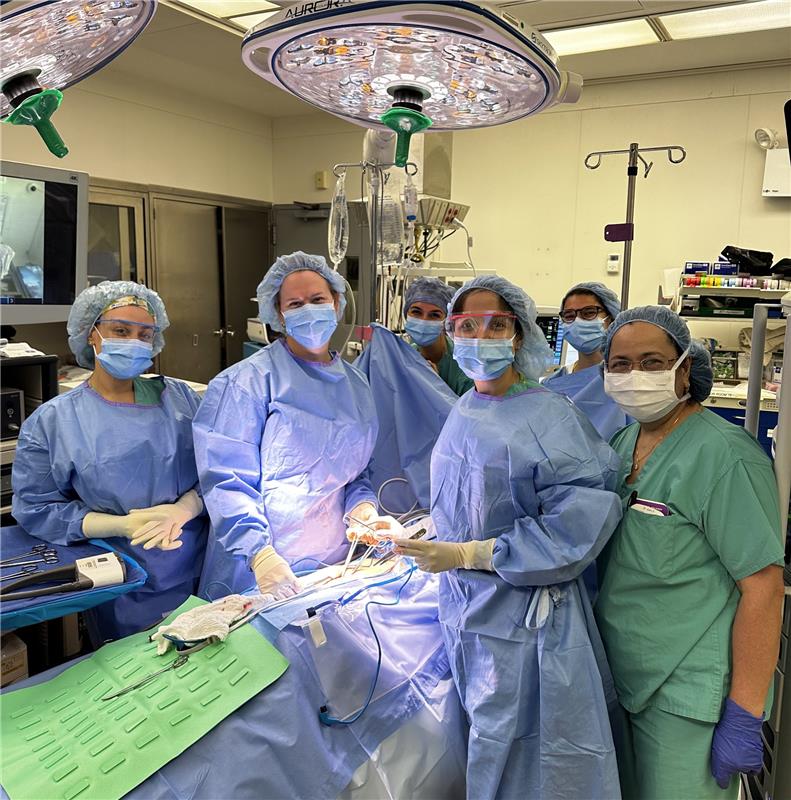
Few places in the country offer as much kidney cancer expertise as Boston. Dana-Farber Brigham Cancer Center reports treating more than 500 kidney cancer patients a year, and Beth Israel Deaconess Medical Center leads the Dana-Farber/Harvard Cancer Center’s kidney cancer program. If your care is already with one of these teams, you are in strong hands.
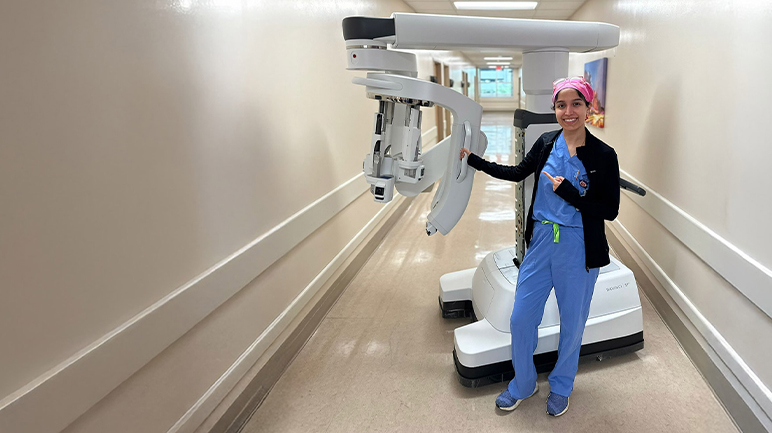
So why a page from a Miami surgeon? Some Massachusetts patients want one more opinion before a major operation, or they are interested in Single Port robotic surgery, which only a limited number of surgeons perform. Dr. Shirin Razdan is a urologic oncologist and robotic surgeon in Miami who treats kidney cancer. She has no Massachusetts office. A first step can be a call to ask about reviewing your scans and records. The sections below explain the facts and help you decide whether that is worth your time.
Kidney Cancer by the Numbers
All figures are national, from the American Cancer Society and the SEER database.
| Measure | Figure |
| New U.S. diagnoses each year (current estimate) | About 80,450 |
| Share caught before it leaves the kidney | About 65.7% |
| 5-year survival for cancer confined to the kidney | 93.3% |
| 5-year survival across all stages | 79.2% |
| Most common type | Renal cell carcinoma, about 90% of cases |
| Typical patient | Average age around 65; uncommon under 45; men more often than women |
Rates are also higher among Black and American Indian and Alaska Native populations, according to the American Cancer Society. If you want to understand the diagnosis itself, our explainer on kidney cancer vs. renal cell carcinoma clears up the terms.
Symptoms Worth Not Ignoring
Early kidney cancer usually has no symptoms, and many tumors turn up on a scan done for another reason. When symptoms do occur, they tend to be blood in the urine, a persistent ache in the back or side, unexplained weight loss, ongoing fatigue, or a lump you can feel. None of these proves cancer, but they deserve a prompt evaluation.
What Treatment Looks Like at Each Stage
| Stage | Plain-language meaning | Usual approach |
| Stage 1 | A smaller tumor, up to about 7 cm, inside the kidney | Surgery to remove the tumor, ablation, or careful monitoring for some small tumors |
| Stage 2 | A larger tumor still inside the kidney | Partial or radical nephrectomy |
| Stage 3 | Growth into nearby tissue or major veins, or lymph node involvement | Surgery, sometimes combined with drug therapy |
| Stage 4 | Spread to distant organs or tissue beyond the kidney area | Drug therapy such as immunotherapy and targeted medicines, with surgery or radiation in selected cases |
Dr. Razdan’s role is the operation. In planning, robotic nephrectomy, whether partial or radical, is the technique she uses. Drug therapy and radiation are delivered by medical and radiation oncology teams, which she coordinates with. For a broader comparison of choices, see our guide to kidney cancer treatment options.
Where a Boston Program and a Miami Consultation Each Fit
| If this describes you | This is usually the natural fit |
| Advanced or unusual cancer, or you want access to clinical trials | A large academic program in Massachusetts |
| You expect long-term drug therapy that needs frequent visits | An oncology team close to home |
| Surgery is recommended and you want a second look at whether the kidney can be saved | A second-opinion consultation, including one in Miami |
| You are interested in a one-incision Single Port operation | A surgeon who performs it; see our article on Single Port robotic nephrectomy |
About the Surgeon
Dr. Razdan completed her urology residency at the Icahn School of Medicine at Mount Sinai in New York, followed by a Robotics and Urologic Oncology Fellowship there, where she also did research with the Kidney Cancer Research Group. Her publications include studies of robotic partial nephrectomy outcomes. More details are on her about page.
Recovery, in General Terms
- After surgery: Many patients are back to ordinary routines in roughly two to six weeks, depending on the operation. Our walkthrough of the recovery timeline after robotic kidney cancer surgery goes week by week.
- After ablation: Recovery is often shorter, commonly one to two weeks.
- On drug therapy: Treatment continues with regular monitoring rather than a single recovery period.
How to Get a Second Opinion From Massachusetts
- Request the scan images themselves, along with pathology and recent kidney blood tests.
- Call 305-468-3314 and ask whether a virtual review is possible and what to send.
- Bring your questions: Can my kidney be saved? How many robotic kidney operations do you perform each year? Who handles my follow-up scans?
- If travel makes sense, ask for specific guidance on how long to stay and when flying home is safe.
Frequently Asked Questions
Do I need to leave Massachusetts for good kidney cancer care?
No. Massachusetts has some of the most experienced kidney cancer programs in the country. A Miami consultation is an option for a second opinion or a specific technique.
Is there a Massachusetts office?
No. Dr. Razdan’s practice is in Miami, Florida.
Does kidney cancer cause kidney failure?
Rarely on its own. Most people can live well with one healthy kidney, which is why surgeons try to remove only the tumor when they can. The long-term concern is gradual loss of kidney function, especially after the whole kidney is removed or if the other kidney is already diseased. Dialysis or transplant is considered only if function drops very low.
How is kidney cancer diagnosed?
Doctors use urine and blood tests plus imaging, usually a CT or MRI, which show the size and location of a tumor and can distinguish many cancers from harmless growths. A biopsy is sometimes added.
What does stage 4 kidney cancer mean?
It means the cancer has spread to distant parts of the body, such as the lungs, bones, liver, or brain. It is the most advanced stage, but there are treatment options, including immunotherapy and targeted drugs. Our article on whether kidney cancer is curable discusses outlook by stage.
What are the chances of survival?
Five-year relative survival is 93.3% for cancer confined to the kidney and 79.2% across all stages combined.
Does every kidney tumor need surgery?
No. Some small tumors are monitored or treated with ablation. Larger or growing tumors are usually removed.
Should I get a second opinion?
Yes. It is standard good practice for any cancer diagnosis and does not suggest you distrust your current team.