


Bladder stones can cause uncomfortable and sometimes alarming symptoms — including pain, difficulty urinating, and blood in the urine. When stones become large or begin causing persistent symptoms, surgery is often the most effective treatment.
One of the first questions patients ask is simple:
How long will recovery take after bladder stone surgery?
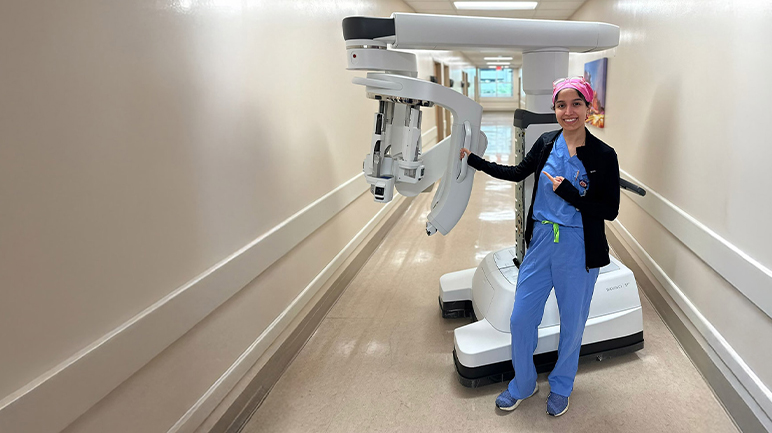
According to Dr. Shirin Razdan, recovery time depends on several factors, including the size of the stones, the surgical technique used, and the patient’s overall health. At her practice, Miami Robotic Surgery, Dr. Razdan frequently uses modern minimally invasive techniques that allow many patients to recover more quickly than they might expect.
Understanding the recovery process helps patients prepare physically and mentally for treatment.
What Bladder Stone Surgery Involves
Bladder stones form when minerals in urine crystallize and harden inside the bladder. They may develop when the bladder does not empty completely or when underlying urinary conditions cause urine to stagnate.
When stones become too large to pass naturally, surgery may be recommended.
Dr. Shirin Razdan commonly treats bladder stones using minimally invasive approaches such as cystolitholapaxy, a procedure in which a small camera and specialized instruments are inserted through the urethra to break the stones into smaller pieces that can be removed.
This method avoids large incisions and usually leads to a faster recovery compared with traditional open surgery.
Immediate Recovery After the Procedure
In most cases, bladder stone surgery is performed as an outpatient procedure, meaning patients can return home the same day.
Right after surgery, patients may experience:
- mild burning during urination
- small amounts of blood in the urine
- urinary urgency or frequency
- mild pelvic discomfort
These symptoms are common and usually improve within several days.
Dr. Razdan carefully monitors patients after surgery and provides clear instructions for hydration, activity levels, and medications that may help reduce discomfort during early recovery.
The First Few Days After Surgery
The first 48–72 hours after bladder stone surgery are typically focused on rest and hydration.
During this time, patients are encouraged to:
- drink plenty of fluids to flush the bladder
- avoid heavy lifting
- limit strenuous activity
- follow prescribed medications if needed
Many patients notice improvement in symptoms within just a few days. Mild irritation while urinating can occur as the bladder heals, but this usually resolves quickly.
Dr. Shirin Razdan often advises patients that listening to the body during the first few days is important — allowing time for healing helps prevent complications.
When Patients Can Return to Normal Activities
For most patients, recovery from minimally invasive bladder stone surgery is relatively quick.
Typical timelines include:
Within a few days:
Most daily activities can resume.
Within one week:
Many patients return to normal work and routine activities.
Within two weeks:
The bladder is usually fully healed, and urinary symptoms have resolved.
Dr. Razdan emphasizes that recovery timelines can vary depending on individual health conditions and the size or number of stones removed.
When Recovery May Take Longer
Although many patients recover quickly, some factors can extend the recovery timeline.
These include:
- very large bladder stones
- multiple stones requiring longer procedures
- underlying bladder conditions
- infections present before surgery
- open surgical procedures in rare cases
In these situations, recovery may take several weeks rather than days.
Because Dr. Shirin Razdan specializes in minimally invasive urologic procedures, many of her patients benefit from shorter recovery periods compared with older surgical techniques.
Preventing Bladder Stones from Returning
Surgery removes existing stones, but preventing recurrence is just as important.
After bladder stone treatment, Dr. Razdan often evaluates the underlying cause of stone formation. This may include assessing:
- bladder emptying function
- prostate enlargement in men
- urinary infections
- hydration habits
- metabolic factors
Addressing these underlying issues helps reduce the risk of future stones.
Dr. Razdan works closely with patients to develop prevention strategies tailored to their individual health profile.
Why Experience Matters in Bladder Stone Surgery
Although bladder stone removal may sound routine, surgical expertise plays an important role in minimizing complications and speeding recovery.
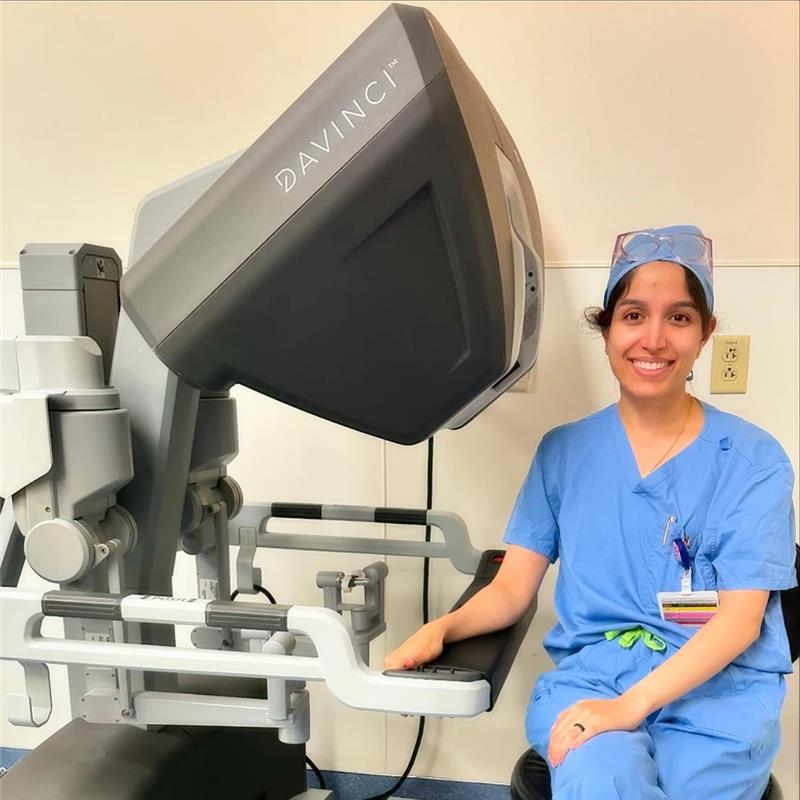
Dr. Shirin Razdan is recognized for her work in advanced robotic and minimally invasive urologic surgery, and she frequently treats complex urinary conditions that require precise surgical management.
Her approach focuses on:
- minimally invasive treatment whenever possible
- preserving bladder function
- reducing recovery time
- identifying underlying causes of stone formation
This patient-centered approach helps ensure that surgery not only removes the stones but also improves long-term urinary health.
Frequently Asked Questions
How painful is bladder stone surgery?
Most patients experience mild discomfort rather than severe pain. Burning during urination for a few days is common.
How long does the surgery take?
Many bladder stone procedures take less than an hour, depending on the size and number of stones.
Will I need to stay in the hospital?
Most minimally invasive procedures are outpatient surgeries, allowing patients to go home the same day.
When can I return to work?
Many patients return to work within several days to a week after surgery.
Can bladder stones come back?
Yes, if the underlying cause is not addressed. Dr. Razdan evaluates each patient carefully to reduce the risk of recurrence.
Contact Dr. Shirin Razdan
If you are experiencing symptoms of bladder stones or have been advised to undergo surgery, consulting with an experienced urologic surgeon can help you understand your treatment options.
Dr. Shirin Razdan
Website: https://miamiroboticsurgery.com
A consultation can help determine the most effective treatment approach and provide a clear understanding of recovery expectations.