


For decades, the standard post-surgical pathway following radical or partial nephrectomy for localized renal cell carcinoma (RCC) was simple: watchful observation. Even for patients with deeply invasive primary tumors, bulky vascular extension, or resected solitary metastases, no medical therapy reliably prevented cancer recurrence. Traditional systemic chemotherapies were largely ineffective against renal cell biology, and early trials evaluating adjuvant targeted receptor tyrosine kinase inhibitors (such as sunitinib or sorafenib) failed to prove a consistent overall survival benefit while imposing high toxicity rates.
The clinical management of high-risk kidney cancer changed with the development of immune checkpoint inhibitors. Following the landmark phase 3 KEYNOTE-564 clinical trial, adjuvant Pembrolizumab (Keytruda) became the first systemic therapy to demonstrate a statistically significant, durable improvement in both disease-free survival (DFS) and overall survival (OS) after surgery.
However, adjuvant immunotherapy is not indicated for every patient who undergoes kidney surgery. Because these intravenous monoclonal antibodies carry risks of immune-related adverse events (irAEs), determining who should receive adjuvant therapy requires precise histopathologic staging, biological risk stratification, and individualized shared decision-making.
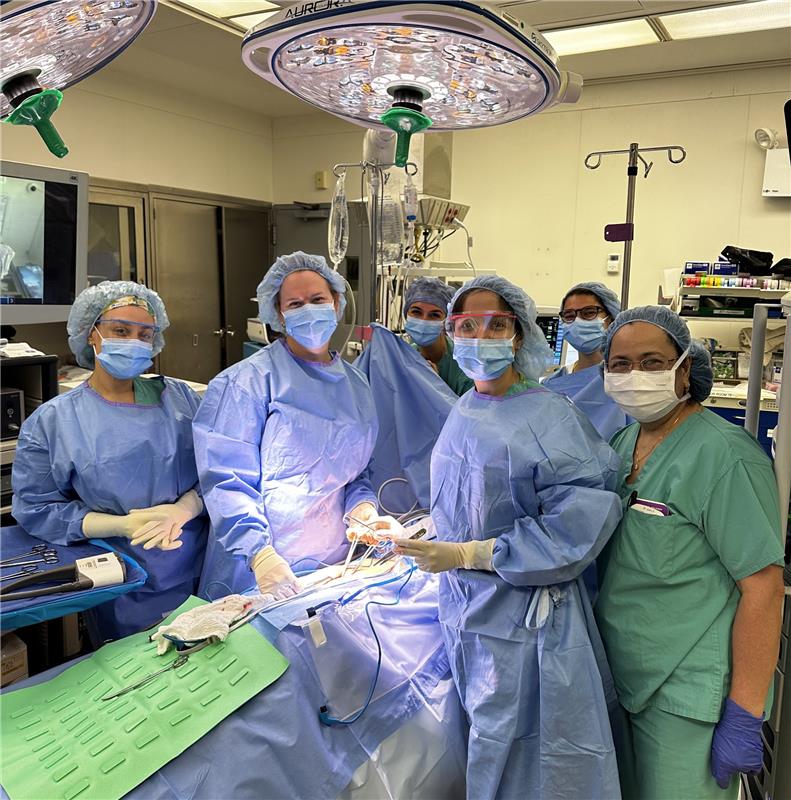
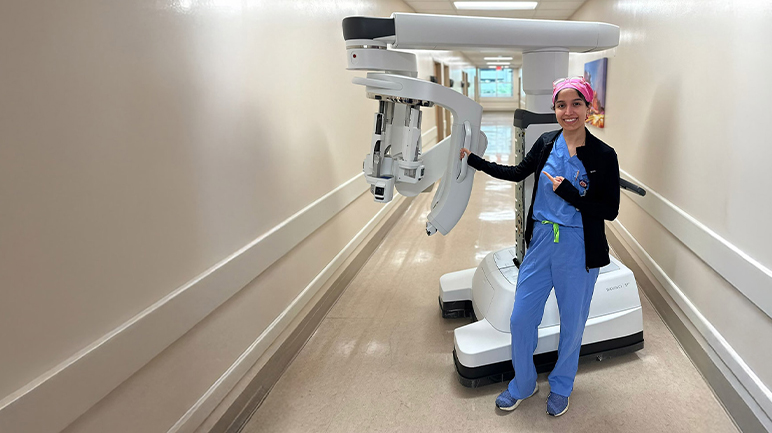
Practicing in Miami, Florida, Dr. Shirin Razdan, MD is a dual-fellowship trained, board-certified urologist specializing in advanced robotic urologic oncology and complex endourology. Having completed intensive robotic surgical and oncology fellowships at the Icahn School of Medicine at Mount Sinai in New York City, Dr. Razdan leads robotic surgery at the Comprehensive Urological Surgery Institute in Miami. Collaborating closely with medical oncologists, Dr. Razdan reviews post-nephrectomy pathology to identify patients at high risk for recurrence who stand to gain a genuine survival benefit from adjuvant immunotherapy.
The Biological Mechanism: Eliminating Microscopic Residual Disease
Why administer systemic immunotherapy to a patient whose CT scans show zero remaining visible cancer after surgery?
Following the surgical extirpation of a high-risk primary kidney tumor, invisible micro-metastases—isolated clusters of circulating cancer cells that dislodged prior to or during surgery—can remain dormant in distant capillary beds (such as the lungs, bones, liver, or retroperitoneal lymph nodes). Left untreated, these micrometastases evade the host immune system by expressing programmed death-ligand 1 (PD-L1), which binds to PD-1 receptors on cytotoxic T-cells, switching off the body’s anti-tumor defense.
Pembrolizumab is a selective, humanized monoclonal anti-PD-1 antibody. By blocking the PD-1 receptor on T-cells, it prevents cancer cells from engaging this inhibitory off-switch. This revitalizes the patient’s native immune system to identify, infiltrate, and eliminate microscopic residual tumor cells before they can vascularize into incurable metastatic recurrences.
Clinical Indications: Who Qualifies for Adjuvant Pembrolizumab?
Eligibility for adjuvant immunotherapy is governed by the risk-stratification criteria established in KEYNOTE-564 and endorsed by the National Comprehensive Cancer Network (NCCN) and American Urological Association (AUA) guidelines:
1. Predominant Clear Cell Histology
Adjuvant immunotherapy is currently guideline-indicated for patients whose tumor contains a clear cell renal cell carcinoma (ccRCC) component. Clinical trials in non-clear cell subtypes (such as pure papillary or chromophobe RCC) remain under active investigation.
2. Intermediate-High Risk of Recurrence
- Pathological Stage T2, Grade 4 or Sarcomatoid Features (pT2, G4/sarcomatoid, N0, M0): Tumors larger than 7 cm confined to the kidney that harbor aggressive cellular architecture.
- Pathological Stage T3, Any Grade (pT3, Any G, N0, M0): Tumors that have breached the renal capsule to invade perinephric fat, renal sinus fat, or extended into the renal vein or inferior vena cava (IVC).
3. High Risk of Recurrence
- Pathological Stage T4, Any Grade (pT4, Any G, N0, M0): Tumors that have grown beyond Gerota’s fascia into adjacent organs (such as the ipsilateral adrenal gland or liver).
- Regional Nodal Involvement (Any pT, Any Grade, pN1, M0): Patients with confirmed metastasis in regional retroperitoneal lymph nodes resected during surgery.
4. Resected Metastatic Disease (M1 NED — No Evidence of Disease)
- Patients who presented with primary kidney cancer and an isolated, oligometastatic site (such as a solitary lung nodule, adrenal lesion, or bone metastasis) who underwent complete surgical removal of both the kidney and the metastasis, rendering them radiographically clear (No Evidence of Disease) within one year of nephrectomy.
Risk Stratification: Comparing Post-Surgical Pathways
| Patient Pathology / Risk Tier | Standard Post-Operative Pathway | Expected Clinical Benefit of Adjuvant Therapy |
| Low Risk (pT1a/b, Low Grade, N0, M0) | Active Radiographic Surveillance Only | No benefit demonstrated; risks of toxicity outweigh rewards |
| Intermediate Risk (pT2, Grade 1–3, N0, M0) | Active Radiographic Surveillance | Routine adjuvant immunotherapy is not guideline-endorsed |
| Intermediate-High Risk (pT3, Any Grade, N0) | Adjuvant Pembrolizumab (1 Year Course) | 30%–38% reduction in recurrence risk; proven OS benefit |
| High Risk (pT4 or Node-Positive pN1) | Adjuvant Pembrolizumab (1 Year Course) | Substantial reduction in distant relapse; extends survival |
| M1 NED (Completely Resected Metastasis) | Adjuvant Pembrolizumab (1 Year Course) | Delays or prevents second systemic relapse |
Administration, Timing, and Safety Considerations
Adjuvant pembrolizumab is administered as an intravenous infusion (typically 200 mg every 3 weeks or 400 mg every 6 weeks) for a total planned duration of approximately one year (up to 18 cycles), unless disease recurrence or unacceptable toxicity occurs.
- Surgical Recovery Window: Treatment is typically initiated within 6 to 12 weeks following nephrectomy. Patients must demonstrate adequate surgical wound healing, normal dietary tolerance, and stable renal and hepatic function before starting therapy.
- Immune-Related Adverse Events (irAEs): Because checkpoint inhibitors activate systemic immune responses, the immune system can occasionally attack healthy organs. Common side effects include fatigue, pruritus (itching), and rash. Clinicians monitor for autoimmune conditions such as thyroiditis (hypo- or hyperthyroidism), hypophysitis, pneumonitis, colitis (severe diarrhea), hepatitis, and nephritis. In the KEYNOTE-564 trial, high-grade (Grade 3–4) immune toxicities occurred in roughly 18% to 20% of patients, requiring temporary systemic corticosteroids.
Frequently Asked Questions (FAQ)
If my CT scan shows “no evidence of cancer” after surgery, why do I need immunotherapy?
Standard CT and MRI scans can only visualize tumor nodules that are at least several millimeters in size. They cannot detect individual microscopic cancer cells circulating in the blood or lodged in distant tissues. For intermediate-high and high-risk cancers, the statistical probability of these dormant microscopic cells progressing into visible metastatic recurrences within five years ranges from 30% to over 50%. Adjuvant immunotherapy eliminates these cells before they develop into metastatic disease.
Does having sarcomatoid features in my tumor affect the decision?
Yes, significantly. Sarcomatoid dedifferentiation represents an aggressive biological change associated with higher recurrence rates. However, tumors with sarcomatoid features express higher levels of PD-L1 and have demonstrated substantial sensitivity and survival benefit from adjuvant pembrolizumab in clinical trials.
Can patients with a single kidney receive immunotherapy?
Yes. Unlike certain chemotherapies that are filtered and cleared directly by the renal tubules, monoclonal antibodies like pembrolizumab are cleared via cellular catabolism throughout the body and are not inherently toxic to the kidney. Renal function (serum creatinine and eGFR) is monitored closely at each infusion cycle to check for rare immune-mediated nephritis.
Conclusion
Adjuvant immunotherapy represents an evidence-based advancement in the management of high-risk clear cell renal cell carcinoma. By identifying patients with deep capsular invasion (pT3), positive lymph nodes (pN1), aggressive grade 4 or sarcomatoid features, or resected oligometastases (M1 NED), clinicians can apply targeted checkpoint inhibition to lower the risk of recurrence and improve overall survival. Through precise robotic resection, meticulous histopathologic staging, and coordinated multidisciplinary oncology care, Dr. Shirin Razdan ensures that high-risk kidney cancer patients receive individualized, comprehensive survivorship strategies.