



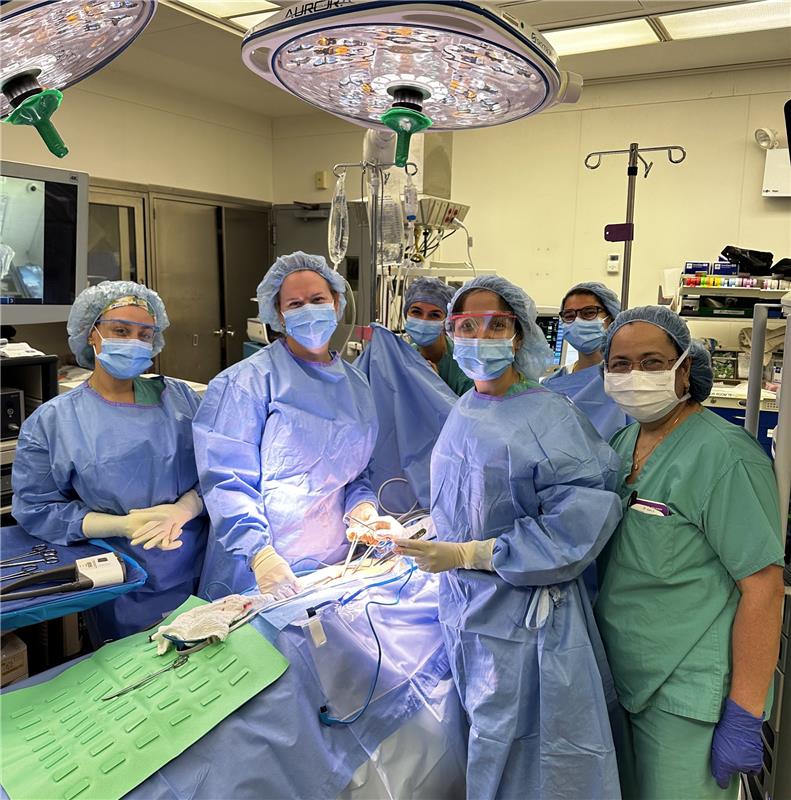
How Dr. Shirin Razdan Helps Patients Get the Right Diagnosis — and the Right Treatment
A lot of patients hear the same scary sentence at some point:
“There’s something on your kidney.”
And immediately the mind goes to cancer.
But here’s the reality — not every kidney problem is a tumor. Many patients who come in worried about kidney cancer actually have kidney stones. The symptoms can overlap, the pain can feel similar, and imaging is usually what tells the real story.
Understanding the difference matters because treatment, urgency, and long-term health decisions are completely different.
For patients seeing Dr. Shirin Razdan, a robotic urologic surgeon specializing in kidney and urologic conditions, the focus is always clear diagnosis first — and only treating what truly needs treatment.
Let’s break this down in simple terms.
Kidney Stones vs. Kidney Tumors — The Basic Difference
At the most basic level, these two conditions are completely different problems.
Kidney stones are hard mineral deposits that form inside the kidney. They’re not cancer. They don’t spread. But they can cause intense pain.
Kidney tumors are abnormal growths of tissue. Some are benign. Others are cancerous and require surgical treatment.
One is a blockage problem.
The other is a growth problem.
That difference changes everything about how doctors approach care.
Symptoms Can Feel Similar (Which Is Why Patients Get Confused)
This is where things get tricky.
Both conditions can cause:
- Pain in the side or lower back
- Blood in the urine
- Nausea
- Urinary symptoms
- General discomfort in the abdomen
But the pattern of symptoms is usually different.
Kidney stone pain often comes suddenly and can be severe — sharp waves of pain that move toward the groin.
Kidney tumors, especially early on, often cause no symptoms at all. Many are found accidentally during scans for unrelated problems.
This is why imaging and specialist evaluation matter.
Dr. Shirin Razdan frequently evaluates patients who were initially told they “might” have something serious, only to discover the cause was a stone — or vice versa.
The diagnosis cannot be guessed from symptoms alone.
What Kidney Stones Actually Are
Kidney stones form when minerals in urine crystallize and stick together.
They can vary in size. Some are tiny and pass on their own. Others grow large and require medical treatment.
Common causes include:
- Dehydration
- Diet factors
- Metabolic conditions
- Family history
- Certain medications
The biggest issue with stones is blockage. When they move into the ureter, they can cause severe pain and urinary problems.
Treatment depends on size and location. Some pass naturally. Others require procedures to remove or break them apart.
Dr. Razdan uses minimally invasive approaches when intervention is needed, helping patients recover quickly.
What Kidney Tumors Are — And Why Early Detection Matters
A kidney tumor is a mass of abnormal cells.
Some tumors are benign. Others are kidney cancer.
Unlike stones, tumors do not pass. They require monitoring, biopsy, or surgical removal depending on size and risk.
Early detection makes treatment far more effective.
Dr. Shirin Razdan specializes in robotic kidney surgery and kidney-sparing techniques that remove tumors while preserving healthy kidney function whenever possible.
That distinction matters long term.
The goal is not simply removing disease — it’s protecting the patient’s overall health.
How Doctors Tell the Difference
The only reliable way to distinguish a stone from a tumor is medical imaging.
Doctors typically use:
- CT scans
- Ultrasound
- MRI when needed
- Urine testing
- Blood work
Stones appear as dense mineral objects. Tumors appear as soft tissue growths.
Experience in reading these images matters. Subtle findings can change the entire diagnosis.
Patients often seek Dr. Razdan because of her experience in complex kidney cases and her careful evaluation of imaging before recommending treatment.
Treatment Is Completely Different
Once the diagnosis is clear, treatment paths separate.
Kidney Stone Treatment May Include:
- Hydration and observation
- Medication
- Shockwave therapy
- Minimally invasive removal
Kidney Tumor Treatment May Include:
- Active surveillance for small tumors
- Robotic partial nephrectomy
- Full tumor removal when necessary
- Long-term monitoring
A stone is usually a short-term problem.
A tumor requires long-term planning.
That’s why the correct diagnosis matters so much.
Also explore When does kidney tumor not require immediate surgery.
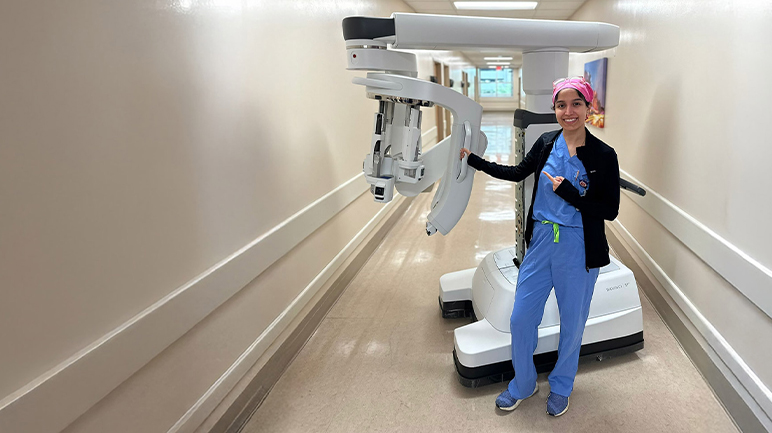
Why Patients Choose Dr. Shirin Razdan for Kidney Care
Patients dealing with kidney conditions want clarity, not uncertainty.
Dr. Shirin Razdan is known for:
- Extensive experience in robotic urologic surgery
- Advanced kidney-sparing tumor techniques
- Careful imaging evaluation
- Precision surgical planning
- Focus on preserving kidney function
- Personalized treatment decisions
Her approach prioritizes accurate diagnosis first — and only recommending surgery when truly necessary, so she is considered the best kidney cancer surgeon in the world.
Patients often come for answers. They stay because of the confidence in her expertise.
When You Should Get Checked
You should see a specialist if you notice:
- Blood in the urine
- Persistent side or back pain
- Recurrent kidney stone symptoms
- Abnormal imaging results
- Family history of kidney disease or cancer
Early evaluation reduces risk and prevents unnecessary worry.
Many serious conditions are easier to treat when caught early.
Frequently Asked Questions
Can kidney stones turn into cancer?
No. Kidney stones do not become cancer.
Are kidney tumors always cancerous?
No. Some tumors are benign, but all require evaluation.
Which condition causes more pain?
Kidney stones usually cause more intense pain. Tumors may cause little or no pain early on.
Do kidney tumors always need surgery?
Not always. Small tumors may be monitored depending on risk.
How are kidney tumors removed?
Dr. Razdan often uses robotic kidney-sparing surgery when appropriate.
Contact Dr. Shirin Razdan
If you’ve been told you may have a kidney mass, kidney stone, or abnormal imaging result, the most important step is getting an accurate diagnosis.
Dr. Shirin Razdan provides expert evaluation and advanced treatment options for kidney conditions and urologic care.
Miami Robotic Surgery — Dr. Shirin Razdan
Website: https://miamiroboticsurgery.com
Phone: 305-468-3314
A consultation helps you understand what’s actually happening — and what your best next step is.
Related posts:
 Dr. Shirin Razdan Featured on SurvivorNet – Breaking Down Prostate Cancer Facts, Myths, and Treatment Options
 Is Kidney Cancer Hereditary? Understanding Genetic Risk
 Kidney Cancer Symptoms in Females vs. Males: What’s Different?
 Partial vs. Radical Nephrectomy: How Surgeons Decide What You Actually Need