




Prostate cancer is a type of cancer that affects a significant number of men worldwide. It is one of the most common cancers among men. There is still a confusion for the screening, diagnosis, and treatment of prostate cancer. A leading urologist and robotic prostate cancer surgeon, Dr. Shirin Razdan, featured on SurvivorNet, where she addressed all the essential topics of prostate cancer in detail.
Dr. Shirin Razdan is one of the most experienced and reputed robotic surgeons in the country, who is passionate about educating men on the early diagnosis, modern treatment methods, and life after prostate cancer. In her interview, she covers all the essential topics from PSA testing and digital rectal exams to minimally invasive surgical approaches. She also explains the ways to preserve the quality of life after the treatment of prostate cancer.
Here, we will break down the key insights from Dr. Shirin Razdan’s SurvivorNet appearances and discuss how her expertise can help men and their families make informed decisions for prostate cancer care.
Prostate Cancer: A Common Cancer in Men
One needs to understand what prostate cancer is. Prostate cancer originates in the small, walnut-shaped gland, the prostate, which is located below the bladder and in front of the rectum. The prostate plays a crucial role in the male reproductive system. It produces fluids that nourish and protect sperm.
When the cells in the prostate start to grow uncontrollably, prostate cancer develops. Some prostate cancers grow slowly and do not cause harm, whereas some are aggressive and spread quickly to other parts of the body.
Who Needs to be More Careful?
Dr. Shirin Razdan explains who is at risk. She explains that prostate cancer can affect any man, but certain groups have a higher risk of developing prostate cancer:
- Men over 50 have a significantly increased risk with age.
- African American men have higher incidence and mortality rates.
- Those men with a family history of prostate cancer, especially if father, brother, or son was diagnosed.
- Those with specific genetic mutations, such as BRCA1 or BRCA2.
The Importance of Early Detection
Dr. Shirin Razdan shares in her SurvivorNet interviews that early detection can save lives (one of the strongest messages).
PSA Testing
The Prostate-Specific Antigen (PSA) test measures the level of PSA in the blood. Raised levels can indicate the presence of prostate cancer, but they can also be due to non-cancerous conditions, such as an enlarged prostate or infection.
Dr. Shirin Razdan highlights that the PSA test is more than just a diagnosis. With this tool, surgeons decide if more testing is needed.
Digital Rectal Exam (DRE)
Digital rectal exam is a meaningful way to detect abnormalities that might not appear on a PSA test. Some men shy away from it, but this method is one of the effective methods to diagnose prostate cancer.
Screening Recommendations
For most men, screening should start at the age of 50. For those with a higher risk of prostate cancer (African American or family history), Dr. Shirin Razdan recommends screening as early as age 40-45.
Debunking Common Myths About Prostate Cancer
Dr. Shirin Razdan, in her SurvivorNet interviews, addresses the common myths that can lead to unnecessary fear or delays in the diagnosis of prostate cancer.
Myth 1. If I don’t have symptoms, I don’t have prostate cancer.
Fact: The truth is, Prostate cancer doesn’t show any symptoms in its early stages.
Myth 2: PSA tests are not safe.
Fact: PSA may not be correct, but it is essential in screening and detecting early-stage cancer.
Myth 3: All prostate cancers are not aggressive and grow slowly.
Fact: Some forms of prostate cancer can be aggressive and require proper treatment.
Myth 4: Treatment always causes incontinence and erectile dysfunction.
Fact: With the modern nerve-sparing robotic techniques, the risk of incontinence and erectile dysfunction can be reduced.
Diagnosis – Beyond PSA Test
Beyond a PSA or DRE result, Dr. Razdan uses advanced diagnostics, including:
- Multiparametric MRI (mpMRI) is an effective method that can help visualize suspicious areas in the prostate.
- Targeted prostate biopsy is a method in which imaging guidance is used to sample suspicious tissue precisely.
- Genomic testing is performed to assess the aggressiveness of the cancer for personalized treatment planning.
Treatment Options for Prostate Cancer
Prostate cancer treatment depends on the cancer stage, aggressiveness, and the patient’s unique needs, says Dr. Shirin Razdan.
Active Surveillance
Regular monitoring with PSA tests, MRIs, and biopsies can be effective for slow-growing cancers.
Focus: This method’s main goal is to avoid overtreatment while monitoring changes closely.
Robotic-Assisted Radical Prostatectomy
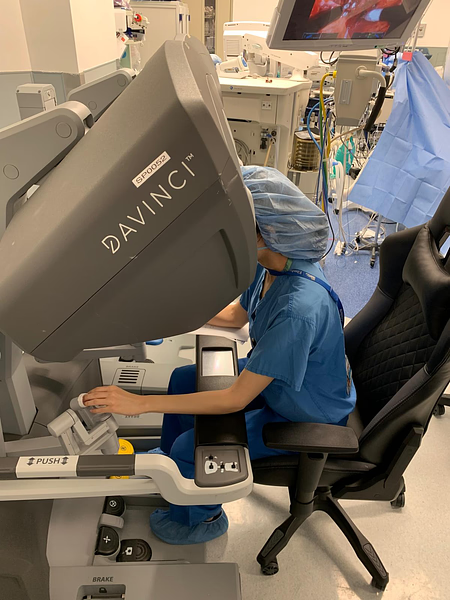
As an experienced robotic urologic surgeon, Dr. Shirin Razdan can perform Single Port Extraperitoneal Robotic Prostatectomy, one of the most effective and advanced surgical techniques available for prostate cancer. Numerous benefits of this procedure include a smaller incision, less blood loss, shorter hospital stays, faster recovery, and preservation of urinary and sexual function.
Radiation Therapy
Radiation Therapy is a treatment procedure for prostate cancer in which high-energy rays are used to destroy the cancer cells. These can be external beams or brachytherapy.
Focal Therapy
Focal therapy targets only the cancerous part of the prostate with modern techniques, such as High-Intensity Focused Ultrasound (HIFU) or cryotherapy.
Managing Side Effects – Preserving Quality of Life
Dr. Shirin Razdan says treatment is not just about removing cancer but also about helping men live well after the treatment.
Urinary Incontinence
- Pelvic floor therapy
- Temporary catheter support after surgery
- Gradual improvement over weeks to months
Erectile Dysfunction
- Nerve-sparing surgical approaches
- Medications (PDE5 inhibitors)
- Vacuum devices or penile implants, when needed
Emotional Wellness
- Support groups and counseling
- Open communication with partners and family
Life After Prostate Cancer Treatment
Men after prostate cancer treatment go on to live long and healthy lives. Follow-up care after the treatment may include:
- PSA tests every 3–6 months initially
- Regular check-ins with your urologist
- Imaging if there’s a concern for recurrence
Dr. Razdan stresses that ongoing monitoring is key to catching any recurrence early.

Why Choose Dr. Shirin Razdan for Prostate Cancer Care?
- Dr. Shirin Razdan has extensive experience in performing robotic surgeries and has performed hundreds of successful procedures.
- Dr. Shirin Razdan ensures reliable treatment by using advanced minimally invasive techniques, including single-port robotic surgery.
- Her patient-centered approach ensures the preservation of function and quality of life.
- Dr. Shirin Razdan has national recognition, as she was featured on SurvivorNet for her expertise and patient advocacy.
What Dr. Razdan’s Patients Say
“Dr. Razdan’s skill and compassion changed my life. I went into surgery terrified, but she walked me through every step. Today I’m cancer-free and living fully again.”
Schedule a Consultation
If you or a loved one has been diagnosed with prostate cancer — or if you’re at risk and want expert screening — schedule a consultation with Dr. Shirin Razdan today!
Book an appointment: [https://miamiroboticsurgery.com/contact-us/]
Call: [305-468-3314]
Key Takeaways from Dr. Razdan’s SurvivorNet Interviews
- Early diagnosis of prostate cancer can save lives.
- Even if you have no symptoms, screening is important.
- With modern robotic surgery techniques, side effects can be reduced.
- Treatment procedure depends on the cancer stage and the unique needs of patients.
- Life after prostate cancer is full of possibilities for comprehensive care.
Related posts:
 Single Port Partial Nephrectomy with Low Anterior Access: Advancing Kidney Cancer Surgery in Miami
 Kidney Cancer Symptoms in Females vs. Males: What’s Different?
 Kidney Carcinoma Explained: Diagnosis, Staging, and Survival Rates
 Kidney Cancer in Younger Patients: What’s Different About Treatment Decisions