When a kidney tumor or serious kidney condition requires surgery, one of the first concerns patients have is recovery.
How long will it take?
When can normal activities resume?
Will the surgery significantly disrupt daily life?
For patients undergoing robotic nephrectomy, recovery is often much faster than people expect — especially when the procedure is performed using modern minimally invasive techniques.
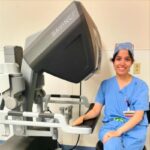
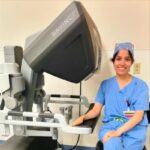
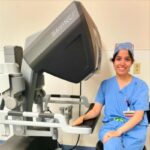
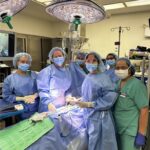
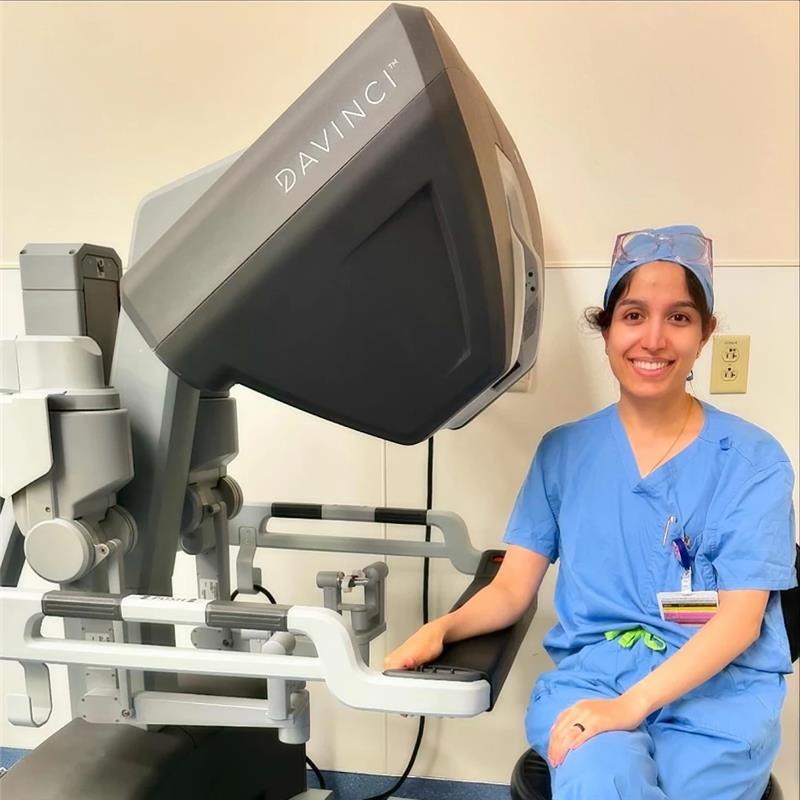
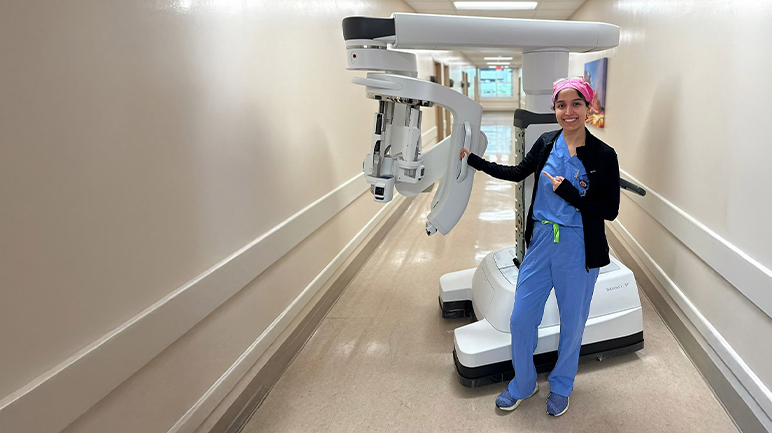
According to Dr. Shirin Razdan, a specialist in robotic and minimally invasive urologic surgery, advances in robotic technology have dramatically improved the recovery experience for kidney surgery patients. At Miami Robotic Surgery, Dr. Razdan frequently performs robotic nephrectomy procedures designed to remove kidney tumors while minimizing surgical trauma and helping patients return to normal life sooner.
Understanding the recovery timeline can help patients prepare for surgery and feel more confident about the process.
What a Robotic Nephrectomy Is
A nephrectomy is the surgical removal of part or all of a kidney.
The procedure may be recommended for several reasons, including:
- kidney cancer
- complex kidney tumors
- severe kidney damage
- non-functioning kidneys
- certain congenital abnormalities
Instead of traditional open surgery, Dr. Shirin Razdan often performs nephrectomies using robotic-assisted techniques, which allow the surgeon to operate through several small incisions rather than a large abdominal incision.
Robotic surgery provides several advantages:
- enhanced 3D visualization
- improved surgical precision
- smaller incisions
- reduced blood loss
- shorter hospital stays
These factors play a major role in shortening recovery time.
Immediate Recovery After Surgery
Most robotic nephrectomy patients remain in the hospital for one to two days following the procedure.
During this time, the care team monitors:
- pain control
- kidney function
- hydration levels
- early mobility
Dr. Razdan encourages gentle movement soon after surgery because walking helps reduce the risk of complications such as blood clots and promotes faster healing.
Although patients may feel tired or sore initially, the discomfort from robotic surgery is typically much less than with traditional open procedures.
The First Week After Robotic Kidney Surgery
The first week of recovery focuses on healing and gradually increasing activity.
Common experiences during this period include:
- mild abdominal soreness
- fatigue
- reduced appetite
- limited physical activity
Patients are usually encouraged to:
- walk short distances daily
- stay well hydrated
- avoid heavy lifting
- follow prescribed medications
Most patients are surprised that the incisions themselves are quite small, often only a few centimeters long.
Dr. Shirin Razdan carefully reviews post-operative instructions with each patient to ensure a smooth recovery during this early phase.
Weeks Two to Four: Returning to Normal Activities
During the second and third weeks after surgery, most patients begin to feel significantly better.
Energy levels improve and daily activities become easier.
Many patients are able to:
- return to desk work
- resume light exercise such as walking
- drive again
- handle normal household activities
Heavy lifting, strenuous exercise, and intense physical activity are typically restricted for several weeks to allow internal tissues to heal properly.
Because Dr. Razdan specializes in minimally invasive robotic procedures, many patients experience shorter recovery times compared with traditional open kidney surgery.
Full Recovery Timeline
Although each patient heals at a slightly different pace, general recovery milestones often include:
1–2 days after surgery
Hospital stay and initial monitoring.
1 week after surgery
Walking and light daily activities resume.
2–4 weeks after surgery
Return to work and normal routines for many patients.
4–6 weeks after surgery
Full recovery for most patients, including gradual return to exercise.
Patients who undergo partial nephrectomy, where only part of the kidney is removed, may sometimes recover even more quickly.
Dr. Shirin Razdan evaluates each patient individually and provides personalized guidance based on the complexity of the surgery.
Why Robotic Surgery Improves Recovery
Robotic nephrectomy represents a major advancement in kidney surgery.
Traditional open nephrectomy required a large incision across the abdomen or side, often leading to longer hospital stays and extended recovery periods.
Robotic techniques allow surgeons like Dr. Razdan to perform extremely precise surgery through small incisions using advanced instruments controlled from a robotic console.
This approach reduces:
- muscle trauma
- blood loss
- post-operative pain
- recovery time
As a result, many patients can return to normal life much faster than they would with older surgical techniques.
Life with One Kidney After Surgery
Another common concern patients have is whether life changes significantly after kidney removal.
In many cases, the remaining kidney compensates for the lost kidney and continues to support normal body function.
After recovery, most patients are able to:
- maintain normal daily activity
- exercise regularly
- live without major lifestyle limitations
Dr. Razdan carefully monitors kidney function after surgery to ensure the remaining kidney remains healthy.
Why Patients Choose Dr. Shirin Razdan
Kidney surgery requires both surgical skill and careful planning.
Patients often seek out Dr. Shirin Razdan because of her experience with advanced robotic urologic surgery and minimally invasive kidney procedures.
Her surgical approach focuses on:
- precise tumor removal
- preservation of kidney function whenever possible
- minimally invasive techniques
- reduced recovery time
- individualized patient care
By combining robotic technology with careful surgical technique, Dr. Razdan helps many patients achieve successful outcomes with shorter recovery periods.
Frequently Asked Questions
How long does robotic nephrectomy surgery take?
Most procedures take between two and three hours, depending on the complexity of the tumor or kidney condition.
Is robotic kidney surgery painful?
Patients usually experience mild to moderate soreness after surgery, but pain is typically less severe than with traditional open surgery.
How long will I stay in the hospital?
Most patients stay one to two days after robotic nephrectomy.
When can I return to work?
Many patients return to desk jobs within two to four weeks.
Can I live normally with one kidney?
Yes. Most people live healthy, normal lives with a single functioning kidney.
Contact Dr. Shirin Razdan
If you have been diagnosed with a kidney tumor or another condition requiring kidney surgery, consulting with an experienced robotic surgeon can help you understand your treatment options.
Dr. Shirin Razdan
Website: https://miamiroboticsurgery.com
A consultation can help determine whether robotic nephrectomy is the right approach and what recovery may look like for your individual situation.