



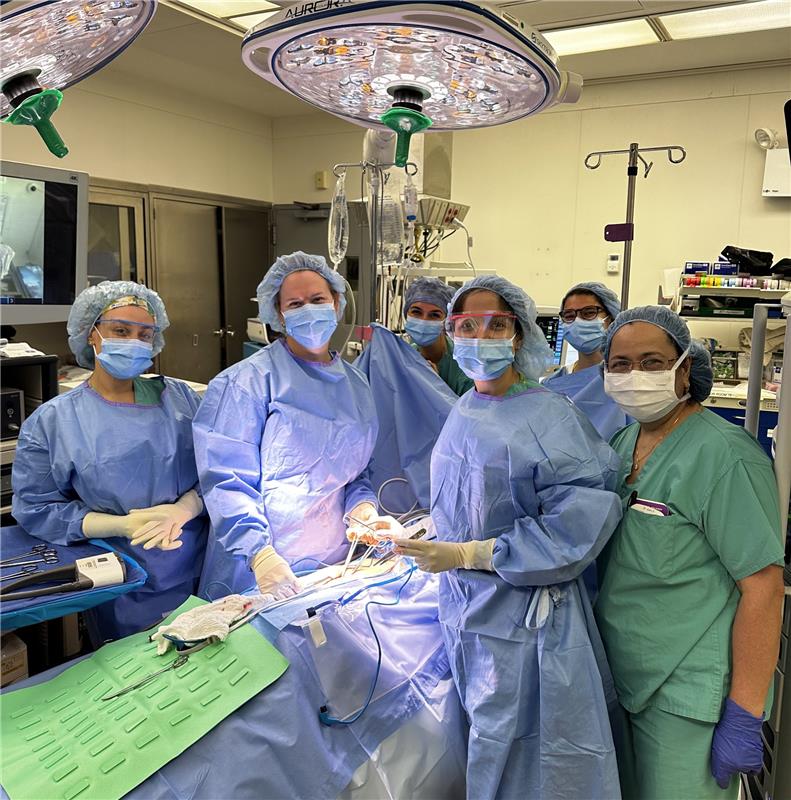
One of the most common concerns older patients have after being diagnosed with a kidney tumor is simple:
Am I too old for surgery?
It’s a very reasonable question. Many patients in their 70s or even 80s worry that surgery may be too risky or that recovery could be difficult.
But age by itself rarely tells the full story.
In many cases, patients who are otherwise healthy can safely undergo kidney surgery — especially when it’s performed using modern minimally invasive techniques. At Dr. Shirin Razdan’s practice in Miami, this is something she evaluates carefully for every patient.
Her focus isn’t simply whether someone is older.
The real question is whether surgery is the safest and most effective option for that individual.
Why Kidney Tumors Are Often Diagnosed Later in Life
Kidney tumors frequently appear in patients over the age of 60. In fact, many kidney cancers are discovered incidentally when someone undergoes imaging for an unrelated reason — back pain, abdominal discomfort, or a routine scan.
Because many tumors grow slowly, patients may have few or no symptoms early on.
This means it’s very common for older adults to be evaluating treatment options for the first time after a diagnosis.
For patients meeting Dr. Razdan, the first step is always a careful review of imaging, medical history, kidney function, and overall health. Treatment decisions are made based on the full picture — not just the birthdate on a chart.
How Robotic Kidney Surgery Changed the Conversation
Years ago, kidney surgery often meant large incisions, significant pain, and longer hospital stays.
Today, robotic techniques allow surgeons to operate through small incisions using high-precision instruments and advanced visualization.
For many patients — including older adults — robotic surgery offers advantages such as:
- Smaller incisions
- Less blood loss
- Reduced post-operative pain
- Shorter hospital stays
- Faster recovery compared to traditional open surgery
These benefits are one reason Dr. Shirin Razdan frequently performs robotic procedures when surgery is necessary. The approach allows her to operate with precision while minimizing stress on the body.
Age vs Overall Health: What Surgeons Actually Evaluate
When deciding whether surgery is appropriate, surgeons look at several important factors:
- Heart and lung health
- Kidney function
- Mobility and physical condition
- Other medical conditions
- Kidney tumor location
A healthy 75-year-old may tolerate surgery better than a 55-year-old with serious medical problems.
This is why Dr. Razdan spends significant time reviewing a patient’s full medical history before recommending any procedure.
Sometimes surgery is clearly the best option.
Other times, careful monitoring may be more appropriate.
Kidney-Sparing Surgery Is Often Possible
One major advantage of modern kidney surgery is the ability to preserve healthy kidney tissue whenever possible.
This procedure is called a partial nephrectomy.
Instead of removing the entire kidney, the surgeon removes only the tumor while leaving the rest of the kidney intact.
Preserving kidney function is especially important for older patients, since kidney health plays a major role in overall wellness later in life.
Dr. Razdan specializes in robotic partial nephrectomy, allowing her to remove tumors while protecting as much normal kidney tissue as possible.
When Surgery May Not Be Necessary
Not every kidney tumor requires immediate surgery.
Some small tumors grow very slowly and may be monitored through imaging over time. This approach is known as active surveillance.
Patients who may be candidates for monitoring include:
- Individuals with very small tumors
- Patients with other serious health conditions
- Tumors that appear slow-growing on imaging
Dr. Razdan discusses all available options so patients understand the benefits and risks of each approach.
The goal is always the same:
choose the safest treatment strategy for that individual patient.
Recovery Expectations for Older Patients
Another concern many patients have is recovery.
With robotic surgery, many patients experience:
- Hospital stays of 1–2 days
- Gradual return to normal activity over several weeks
- Reduced pain compared to traditional open surgery
Every patient heals differently, but minimally invasive techniques have made recovery much more manageable for many older adults.
Dr. Razdan and her team monitor patients closely after surgery and guide them through each step of recovery.
Why Patients Choose Dr. Shirin Razdan
Patients often seek out Dr. Shirin Razdan because of her experience with complex kidney surgery and robotic techniques.
Her approach focuses on:
- Accurate diagnosis before recommending treatment
- Kidney-sparing surgical techniques whenever possible
- Advanced robotic surgery expertise
- Personalized treatment decisions
- Long-term kidney health preservation
For patients facing kidney tumors later in life, having an experienced surgeon guiding those decisions can make a significant difference.
Frequently Asked Questions
Is robotic kidney surgery safe for patients over 70?
Many patients over 70 safely undergo robotic kidney surgery if they are otherwise in good health. Each case must be evaluated individually.
Does robotic surgery have fewer complications?
Robotic surgery often results in smaller incisions, less blood loss, and quicker recovery compared to traditional open surgery.
Can older patients recover fully after kidney surgery?
Yes. Many older patients recover well, especially when minimally invasive techniques are used.
Will the entire kidney need to be removed?
Not always. In many cases, Dr. Razdan performs partial nephrectomy, removing only the tumor and preserving healthy kidney tissue.
Is surgery always necessary for kidney tumors?
No. Some small tumors can be monitored with imaging rather than treated immediately.
Contact Dr. Shirin Razdan
If you or a loved one has been diagnosed with a kidney tumor and want to understand whether robotic surgery is appropriate, a consultation can help clarify your options.
Dr. Shirin Razdan
Miami Robotic Surgery
Website: https://miamiroboticsurgery.com
Phone: 305-468-3314
A thorough evaluation can help determine the safest and most effective path forward.
Related posts:
 Dr. Shirin Razdan Featured on SurvivorNet – Breaking Down Prostate Cancer Facts, Myths, and Treatment Options
 Is Kidney Cancer Hereditary? Understanding Genetic Risk
 Kidney Cancer Symptoms in Females vs. Males: What’s Different?
 Partial vs. Radical Nephrectomy: How Surgeons Decide What You Actually Need