



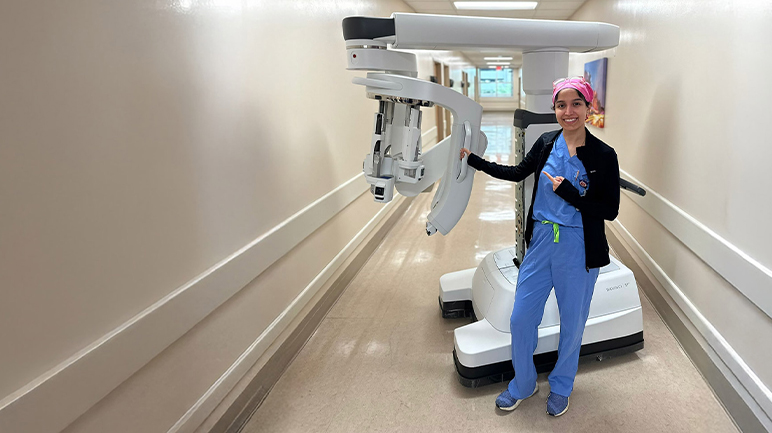
Is Robotic Surgery Really a Better Option for a Prostatectomy?
What Patients Should Know — And How Dr. Shirin Razdan Approaches the Decision
When someone is told they need prostate surgery, one of the first questions that comes up is simple:
“Should I choose robotic surgery?”
You hear about it everywhere. Smaller incisions. Faster recovery. More precision.
But patients want a real answer — not marketing language.
Is robotic prostatectomy actually better? Or is it just newer?
At her practice in South Florida, Dr. Shirin Razdan helps men sort through this decision every day. The goal isn’t to push one approach. It’s to choose what’s safest and most effective for each patient’s cancer, anatomy, and long-term health.
Here’s what actually matters.
First — What “Robotic Prostatectomy” Really Means
Robotic surgery doesn’t mean a robot operates on you.
The surgeon performs the entire procedure — the robotic system simply translates hand movements into extremely precise instrument control.
During a robotic prostatectomy:
- Several small incisions are made in the abdomen
- A high-definition camera provides magnified 3D views
- Specialized instruments allow fine, controlled movements
- The prostate is removed while preserving surrounding structures when possible
Dr. Razdan controls everything from a surgical console. The technology enhances vision and precision — but the outcome still depends on the surgeon’s skill.
That part never changes.
Why Robotic Surgery Became So Popular
Robotic prostate surgery became widely used because it offered advantages over traditional open surgery in many situations.
Patients often experience:
- Smaller incisions
- Less blood loss
- Shorter hospital stays
- Faster early recovery
- More precise nerve preservation in experienced hands
But it’s important to understand something many patients don’t realize:
Technology alone doesn’t improve outcomes. Experience does.
That’s why surgeon expertise is more important than the surgical platform.
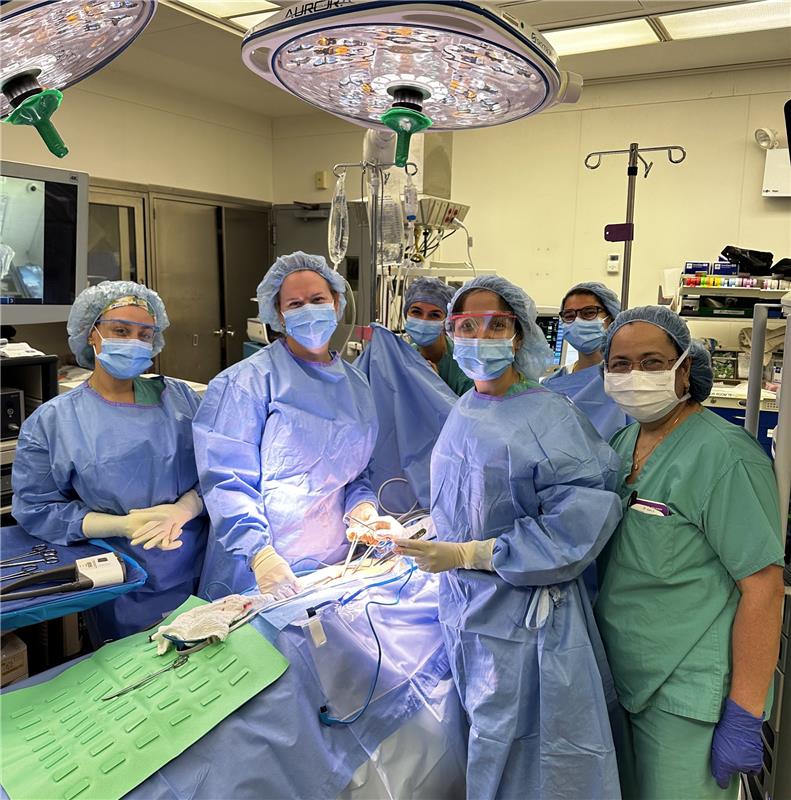
The Biggest Concern: Urinary Control and Sexual Function
Most patients aren’t just worried about removing cancer.
They worry about what happens afterward:
- Will I lose bladder control?
- Will erections return?
- How long will recovery take?
These outcomes depend heavily on how carefully surrounding nerves and tissues are preserved.
Robotic systems provide magnified visualization, which can help surgeons perform delicate nerve-sparing work. Dr. Razdan focuses strongly on functional preservation while maintaining cancer control.
That balance is the real goal.
How Dr. Shirin Razdan Uses Robotic Technology Differently
Not every surgeon uses robotic systems the same way.
Dr. Razdan’s approach emphasizes:
- Precise tumor removal
- Careful nerve preservation
- Minimal tissue disruption
- Individualized surgical planning
- Clear decision-making based on imaging
Her training and experience in robotic urologic surgery allow her to adapt techniques based on the patient — not just follow a standard template.
That level of customization often makes the difference in recovery outcomes.
When Robotic Surgery May Be the Better Choice
Robotic prostatectomy is often recommended when:
- Cancer is localized to the prostate
- Nerve preservation is possible
- Patients want minimally invasive recovery
- Anatomy allows safe robotic access
- Functional recovery is a major priority
Many patients benefit from the precision and visualization robotic systems provide.
But it’s not automatically the best option for everyone.
When Traditional Surgery May Still Be Recommended
Some cases require a different approach.
Traditional surgery may be preferred if:
- Cancer is highly aggressive
- Tumor location is complex
- Prior surgeries affect access
- Patient anatomy limits robotic safety
Dr. Razdan evaluates imaging, PSA levels, biopsy results, and overall health before recommending any surgical plan.
The decision is medical — not technological.
Recovery Differences Patients Notice
Recovery experiences vary, but many patients undergoing robotic prostatectomy report:
- Shorter hospital stays
- Less post-operative discomfort
- Earlier return to normal activities
- Smaller visible scars
That said, full recovery — especially urinary and sexual function — still takes time regardless of approach.
There’s no instant recovery.
Why Experience Matters More Than the Technology
This is something Dr. Razdan emphasizes during consultations:
A robotic system is just a tool.
What matters most is:
- Surgical experience
- Knowledge of pelvic anatomy
- Decision-making during surgery
- Ability to handle complications
- Technique refinement
Patients often focus on the robot.
Doctors focus on outcomes.
What Happens During Your Consultation
When meeting with Dr. Razdan, patients typically discuss:
- Imaging and biopsy results
- Cancer stage and aggressiveness
- Treatment options
- Expected recovery outcomes
- Risks and benefits of each approach
The goal is clarity.
Patients leave understanding why a specific recommendation was made — not feeling pressured.
So… Is Robotic Surgery Actually Better?
For many patients, yes — but not simply because it’s robotic.
It can offer advantages when:
- The surgeon is highly experienced
- The patient is an appropriate candidate
- Nerve preservation is possible
- Cancer control remains the priority
The best outcomes come from proper patient selection and expert surgical technique.
Technology helps.
Expertise determines results.
Why Patients Choose Dr. Shirin Razdan
Patients throughout South Florida seek care with Dr. Razdan for:
- Advanced robotic surgical expertise
- Experience in prostate and urologic oncology
- Personalized treatment planning
- Focus on preserving quality of life
- Clear communication and realistic expectations
- Precision-driven surgical approach
Her practice centers on both cancer control and long-term function — not one at the expense of the other.
Frequently Asked Questions
Is robotic prostate surgery safer than open surgery?
For many patients, complication rates are similar. Recovery and blood loss may be improved with robotic surgery in experienced hands.
Does robotic surgery guarantee faster recovery?
Recovery is often faster early on, but long-term healing still takes time.
Will robotic surgery preserve erectile function?
It improves the chances when nerves can be spared, but outcomes vary.
Is robotic surgery always recommended?
No. Treatment depends on cancer characteristics and patient health.
How long does robotic prostatectomy take?
Usually several hours, depending on case complexity.
Contact Dr. Shirin Razdan
If you’re considering prostate surgery or want to understand whether robotic prostatectomy is appropriate for you, a consultation can help you make a confident decision.
Miami Robotic Surgery — Dr. Shirin Razdan
🌐 https://miamiroboticsurgery.com
📞 305-468-3314
📍 South Florida
Related posts:
 Dr. Shirin Razdan Featured on SurvivorNet – Breaking Down Prostate Cancer Facts, Myths, and Treatment Options
 Is Kidney Cancer Hereditary? Understanding Genetic Risk
 Kidney Cancer Symptoms in Females vs. Males: What’s Different?
 Kidney Cancer in Younger Patients: What’s Different About Treatment Decisions