



Kidney cancer isn’t something most people in their 30s or 40s expect to hear about.
That’s part of what makes the diagnosis so unsettling for younger patients.
Many are otherwise healthy. Working full time. Raising families. Exercising regularly.
So when a scan suddenly shows a kidney tumor, the first reaction is often disbelief — followed quickly by fear about long-term health.
At Dr. Shirin Razdan’s practice in Miami, younger kidney cancer patients face a very different set of conversations than older patients. Not because the cancer itself behaves wildly differently — but because the decisions carry decades-long consequences.
Why Age Changes the Conversation Right Away
The cancer diagnosis may look similar on paper.
The patient does not.
Younger patients have:
- Longer life expectancy
- More years of kidney function to protect
- Greater concern about long-term health, not just short-term recovery
- Higher likelihood of living with the effects of surgery for decades
That reality shapes how Dr. Razdan approaches treatment planning from the very first visit.
Kidney Preservation Matters More When You’re Young
One of the biggest differences in younger patients is how aggressively kidney function is protected — when it’s safe to do so.
Losing a kidney at 35 is very different than losing one at 75.
Over time, reduced kidney reserve can increase the risk of:
- Chronic kidney disease
- High blood pressure
- Cardiovascular problems
- Future dialysis if the remaining kidney is ever compromised
This is why Dr. Razdan carefully evaluates whether partial nephrectomy — removing only the tumor — is possible, even when the surgery is technically demanding.
Preserving kidney tissue early in life can pay dividends decades later.

Tumor Biology Still Comes First
That said, youth alone doesn’t override cancer safety.
Dr. Razdan is very clear about this with patients:
Kidney preservation is important — but not at the expense of cancer control.
Treatment decisions still hinge on:
- Tumor size
- Tumor location
- Aggressiveness on imaging
- Growth pattern
- Overall kidney anatomy
When preserving the kidney adds unacceptable risk, radical nephrectomy may still be the safest option — regardless of age.
Genetic Considerations Are Taken More Seriously
In younger patients, Dr. Shirin Razdan often looks beyond the tumor itself.
Kidney cancer diagnosed at a younger age raises questions about:
- Hereditary kidney cancer syndromes
- Family history
- Risk of future tumors
- Surveillance needs long-term
This doesn’t mean every young patient has a genetic condition — most do not — but it does mean the threshold for further evaluation is lower.
Long-term planning matters more when there’s more life ahead.
Robotic Surgery Plays a Bigger Role in Prevention for Younger Patients
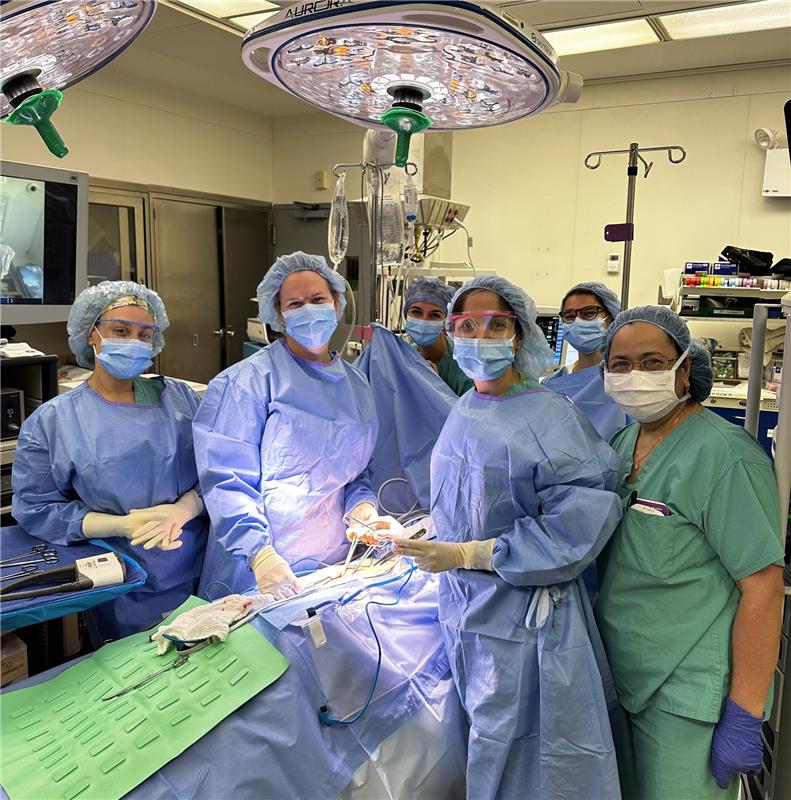
For many younger patients, robotic surgery offers meaningful advantages — when performed by an experienced surgeon.
Robotics can allow:
- Greater precision during tumor removal
- Better preservation of surrounding kidney tissue
- Reduced blood loss
- Faster return to work and daily activity
- Smaller incisions and less visible scarring
Dr. Razdan frequently uses robotic techniques for kidney cancer when tumor location and anatomy allow, especially in patients who benefit from meticulous kidney reconstruction.
Recovery Is Only Part of the Story
Younger patients often recover physically faster.
But that doesn’t mean recovery is “easy.”
Dr. Razdan discusses:
- Realistic recovery timelines
- Return-to-work expectations
- Long-term kidney monitoring
- Lifestyle considerations that protect kidney health
The focus isn’t just getting through surgery — it’s setting patients up for decades of stability afterward.
Why Younger Patients Seek Dr. Razdan
Younger patients often want:
- Clear explanations, not vague reassurance
- A surgeon who understands long-term consequences
- Someone who won’t default to removing the kidney if it can be safely saved
- Honest answers about risks, tradeoffs, and future health
Dr. Razdan’s approach balances precision, caution, and forward-thinking care — which is why many younger patients seek her out for kidney cancer management.
Frequently Asked Questions
Is kidney cancer more aggressive in younger patients?
Not usually. Many tumors behave similarly, but younger patients are evaluated more carefully for long-term implications.
Is partial nephrectomy always preferred for younger patients?
When safe, yes — but cancer control always comes first.
Will losing a kidney affect me long-term?
Many people live well with one kidney, but preserving kidney tissue when possible reduces long-term risks.
Does age affect recovery time?
Younger patients often recover faster, but recovery still depends on surgery type and complexity.
Should younger patients get a second opinion?
Many do, especially when the decision involves kidney preservation versus removal.
The Takeaway
Kidney cancer in younger patients isn’t treated casually — and it shouldn’t be.
Decisions made today can affect:
- Kidney health decades from now
- Cardiovascular risk
- Quality of life
- Long-term medical independence
That’s why experience, judgment, and individualized planning matter so much.
Contact Dr. Shirin Razdan
If you’ve been diagnosed with kidney cancer at a younger age and want a thoughtful, long-term-focused approach, a consultation can provide clarity.
🌐 Website: https://miamiroboticsurgery.com
📞 Phone: 305-468-3314
Your visit typically includes:
- Detailed imaging review
- Discussion of kidney-sparing options
- Honest explanation of risks and benefits
- A plan designed with long-term health in mind
The right decision now can make a difference for years to come.
Related posts:
 Dr. Shirin Razdan Featured on SurvivorNet – Breaking Down Prostate Cancer Facts, Myths, and Treatment Options
 Is Kidney Cancer Hereditary? Understanding Genetic Risk
 Kidney Cancer Symptoms in Females vs. Males: What’s Different?
 Partial vs. Radical Nephrectomy: How Surgeons Decide What You Actually Need