
305-468-3314

3650 NW 82nd Avenue, Suite 502, Miami, FL 33166


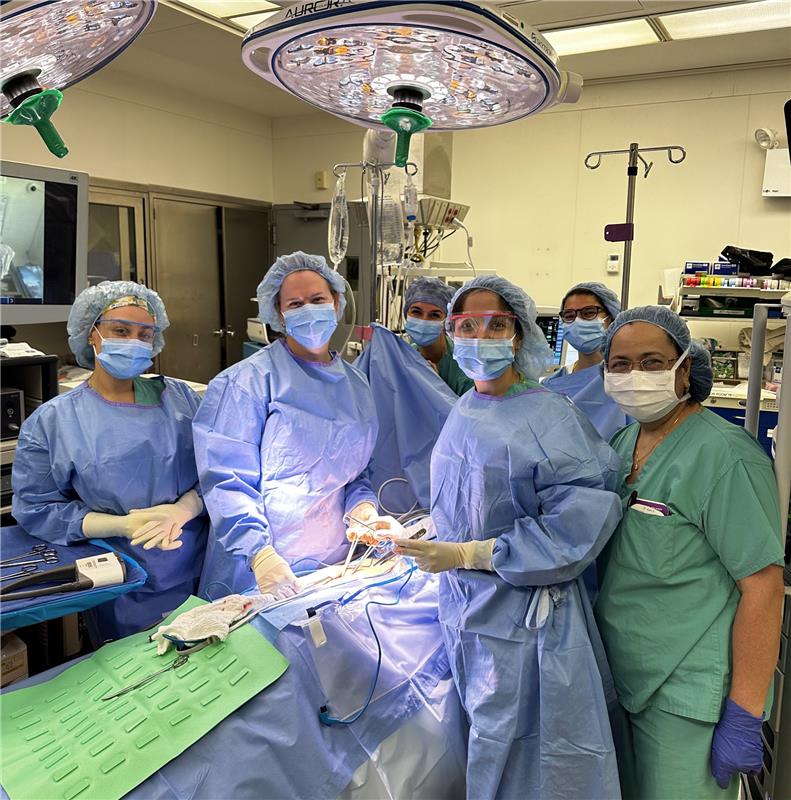
If you or a loved one in Alaska has been diagnosed with kidney cancer, access to a fellowship-trained robotic urologic oncologist close to home can be genuinely limited — Alaska has a small number of urology specialists statewide, and highly specialized robotic and Single Port kidney surgery is concentrated in larger metro areas across the Lower 48. Dr. Shirin Razdan, based in Miami, treats patients who travel from Alaska and other states for advanced, minimally invasive kidney cancer treatment — with telehealth consultations available to help you prepare before you ever book a flight.
Kidney Cancer: Quick Facts
| Statistic | What the Data Shows |
| Lifetime risk | About 1 in 43 for men, 1 in 73 for women (American Cancer Society) |
| Typical age of diagnosis | Average age 65; most cases diagnosed between 55 and 74 |
| Sex distribution | About twice as common in men as in women |
| Kidney cancer incidence, Alaska Native and American Indian populations | About 90% higher than non-Hispanic White populations (34.2 vs. 18 per 100,000) |
| 5-year survival, Alaska Native/American Indian patients vs. White patients | 71% vs. 76%, reflecting a meaningful survival disparity |
| 5-year survival, localized stage (general population) | 93.3% |
| 5-year survival, all stages combined (general population) | 79.2% |
Why This Matters for Alaska Native Communities
This isn’t a minor statistical footnote — it’s one of the more significant cancer health disparities tracked nationally. Research presented at the 2025 International Kidney Cancer Symposium found that kidney cancer incidence has been rising two to three times faster among American Indian and Alaska Native populations than among White populations over the past two decades, and survival outcomes remain measurably lower. Contributing factors include higher rates of chronic kidney disease and obesity within these communities, alongside documented disparities in access to specialized surgical care — which is exactly the gap that traveling for treatment with an experienced robotic urologic oncologist can help close.
Kidney Cancer Treatment Options
| Treatment | What It Involves | Best For |
| Partial nephrectomy | Removes only the cancerous portion, preserving healthy kidney tissue | Smaller, localized tumors |
| Radical nephrectomy | Removes the entire kidney, surrounding tissue, and sometimes nearby lymph nodes | More advanced or larger tumors |
| Cryoablation | Freezes tumor cells using a probe under imaging guidance | Small tumors in patients who aren’t candidates for major surgery |
| Radiofrequency ablation | Heats tumor tissue to destroy cancer cells, without an incision | Small tumors, kidney-preserving option |
| Targeted therapy / immunotherapy | Systemic medication targeting cancer-driving pathways or the immune system | Advanced or metastatic disease |
| Radiation / palliative care | Not a primary treatment, but used to relieve symptoms like bone pain | Managing symptoms when other treatments aren’t appropriate |
For a fuller breakdown of how these options are weighed against each other, see our complete guide to kidney cancer treatment options.
Why Patients Travel to Miami for Robotic Kidney Surgery
- Specialized expertise: Robotic-assisted nephrectomy (both partial and radical) requires training and case volume that isn’t available at every hospital, particularly in less densely populated states
- Minimally invasive technique: Smaller incisions generally mean less pain, less blood loss, and faster recovery than traditional open surgery
- Kidney function preservation: Partial nephrectomy, when appropriate, protects long-term kidney health — especially important for patients with other health conditions
- Personalized treatment planning: A thorough evaluation of your imaging, overall health, and preferences shapes a plan specific to your case, not a one-size-fits-all protocol
Planning Your Trip: A Step-by-Step Guide
- Start with imaging and diagnosis. Get a CT scan, MRI, or ultrasound completed locally if possible, along with any biopsy results and staging information, so a thorough review of your diagnosis can happen before you travel. Our guide to understanding kidney cancer from diagnosis to surgical treatment options explains what each test reveals.
- Request a telehealth or remote records review. Many out-of-state patients begin with a virtual consultation to discuss whether robotic surgery is a good fit before committing to travel.
- Coordinate your travel and stay. Plan for pre-operative evaluation, the procedure itself, and several days of local recovery before flying home — your care team can advise on realistic timing.
- Arrange local follow-up. Post-operative monitoring, including imaging and lab work, can often be coordinated with a provider back home once you’ve returned, in communication with your surgical team.
What to Expect: Diagnosis Through Recovery
- Consultation: A detailed review of your imaging, health history, and treatment goals
- Surgery: Typically performed robotically when appropriate, often with a 2 to 3 day hospital stay
- Early recovery: Light activity within a couple of weeks for most patients
- Follow-up: Regular imaging and lab work to monitor kidney function and watch for recurrence, often coordinated with your home-state physician once you’ve returned

Frequently Asked Questions
Is surgery the only effective treatment for kidney cancer?
No. Surgery is the primary treatment for cancer confined to the kidney, but when the disease has spread, options like targeted therapy, immunotherapy, and radiation therapy become part of the treatment plan instead of or alongside surgery.
Why is kidney cancer a particular concern for Alaska Native communities?
Research shows kidney cancer incidence is about 90% higher among American Indian and Alaska Native populations compared to non-Hispanic White populations, with incidence rising two to three times faster over the past two decades and five-year survival rates running several points lower — a disparity linked to higher rates of chronic kidney disease, obesity, and documented gaps in access to specialized care.
Do I need to travel to Miami in person for an initial consultation?
Not necessarily. Many out-of-state and international patients begin with a telehealth consultation or remote imaging review to determine whether robotic surgery is appropriate before planning travel.
What follow-up care is needed after kidney cancer treatment?
Routine imaging (CT or MRI), kidney function lab tests, and monitoring for side effects or recurrence — much of which can often be coordinated with a provider closer to home once you’ve returned from surgery.
When is ablation used instead of surgery?
Ablation (cryoablation or radiofrequency ablation) is generally reserved for smaller tumors, particularly in patients who aren’t strong candidates for major surgery due to other health conditions. Larger tumors typically require surgical removal.
How do I know if I’m a good candidate for robotic surgery?
Candidacy depends on tumor size, location, and your overall health and kidney function. A thorough review of your imaging and medical history — often achievable remotely before you travel — helps determine the best approach for your specific case.
What is the outlook for kidney cancer caught early?
Encouraging — the 5-year survival rate for cancer still confined to the kidney is 93.3%, compared to 79.2% across all stages combined, which is exactly why timely evaluation and treatment matter, regardless of where you’re starting from. Learn more in our guide to whether kidney cancer is curable.
What’s the difference between kidney cancer and renal cell carcinoma?
Renal cell carcinoma (RCC) is the most common type of kidney cancer, accounting for the large majority of adult diagnoses — our guide to kidney cancer vs. renal cell carcinoma explains the terminology in more detail.
For a broader look at survival rates and treatment costs, see our complete guide to kidney cancer symptoms, survival rates, and treatment cost. To learn more about Dr. Razdan’s background and experience, visit her about page, or call 305-468-3314 to discuss your options, including a remote consultation before you travel.