
305-468-3314

3650 NW 82nd Avenue, Suite 502, Miami, FL 33166


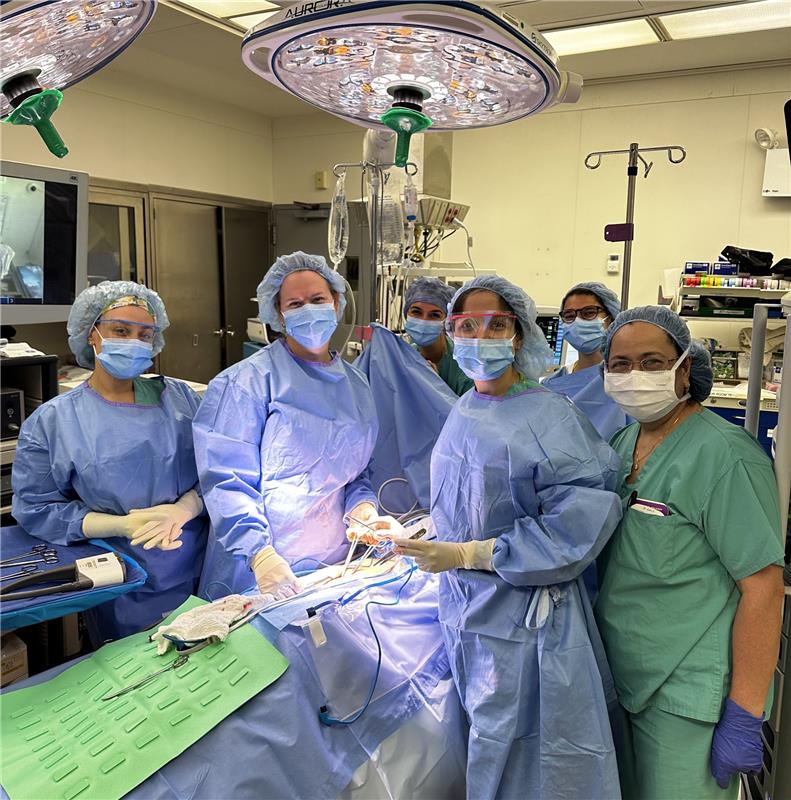
Kidney cancer begins in the kidneys, which are bean-shaped organs responsible for filtering waste and excess fluids from the blood and producing urine. These organs also produce hormones that help regulate blood pressure and red blood cell production. When a tumor develops within the kidney, it can affect the organ’s function. As the tumor grows, it may lead to symptoms such as blood in the urine. In advanced stages, the cancer can spread to other parts of the body, including lymph nodes, lungs, bones, and other organs.
Several risk factors are associated with kidney cancer, such as obesity, hypertension, smoking, and a family history of the disease. According to the American Cancer Society, an estimated 81,610 new cases of kidney and renal pelvis cancers will be diagnosed in 2024. Additionally, around 14,390 deaths are expected that same year. The lifetime risk of developing kidney cancer is 1 in 43 for men and 1 in 73 for women.
How Kidney Cancer Processes in the Human Body?
Kidney cancer can be found in its early stages or when it is localized, often detected incidentally during imaging for another issue. At this local stage, potential effects may include blood in the urine, flank pain, weight loss, fever, and hypertension, particularly if kidney function is compromised.
When kidney cancer metastasizes, it commonly spreads to the lungs, bones, and liver. Symptoms of metastatic kidney cancer may include fatigue, weight loss, and respiratory issues if the lungs are affected.
Surgical removal of a kidney can reduce overall kidney function. If one kidney is lost or damaged, the risk of chronic kidney disease may increase. Additionally, treatments such as kidney cancer surgery, immunotherapy, and targeted therapy can have side effects, including the risk of infection and potential impacts on quality of life.
What are the Options for the Diagnosis of Kidney Cancer?
Comprehensive diagnosis and staging of kidney cancer are important to choose the right treatment. The important tools for the diagnosis of kidney cancer may include:
- Imaging such as ultrasound, CT scans, and MRI are performed to identify the size, location, and involvement of the other structures.
- A biopsy is the procedure that is performed to determine the tumor subtype.
- Kidney function and blood work are checked by the lab tests.
What are the treatment Options for Kidney Cancer?
Different kidney cancer treatment options are available, including surgery, ablation, targeted therapy, immunotherapy, and clinical trials.
| Sr. No. | Treatment Option | Used for |
| 1. | Active surveillance | For small masses (<2‑4 cm) that appear low risk, especially in older patients or with comorbidities. |
| 2. | Partial nephrectomy | Removal of the tumor with sparing of the healthy kidney. Used increasingly for small, localized tumors. Helps preserve kidney function. |
| 3. | Radical nephrectomy | Removal of the entire kidney (and sometimes adjacent tissues/lymph nodes) when the tumor is large or invading. |
| 4. | Minimally invasive approaches | Laparoscopic, robotic-assisted surgery. Less pain, shorter recovery time, less blood loss. |
| 5. | Ablation | Cryoablation or radiofrequency ablation for certain small tumors. |
| 6. | Systemic therapies | For metastatic disease
or cases not fully resectable: targeted therapy, immunotherapy, sometimes in combination. |
| 7. | Radiation therapy | Less common; used palliatively or in certain specific circumstances. |
| 8. | Clinical trials | For novel agents, especially in advanced disease. California has many centers enrolling patients. |
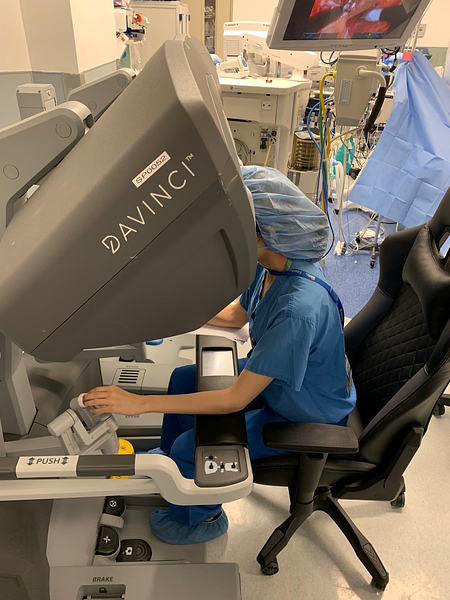
How Dr. Shirin Razdan Can Help in Kidney Cancer Treatment
Dr. Shirin Razdan, based in Miami, Florida, is an experienced robotic urologic surgeon who specializes in the treatment of kidney cancer. techniques and approaches are applicable to patients in California and beyond who seek specialist care. Some of her expertise is:
Robotic-Assisted Surgery / Minimally Invasive Techniques
Dr. Shirin Razdan specializes in robotic nephrectomy, including partial and radical, which involve small incisions and robotic arms under the surgeon’s control to remove the tumor. Some of the benefits of minimally invasive techniques may include: reduced pain, faster recovery, and lower blood loss compared to open surgery.
Customized Treatment Plans
She highlights the personalized care to assess the tumor size, location, and the patient’s overall health. Her experience and expertise enable her to understand the patient’s preferences and determine whether partial or radical surgery is necessary to achieve the desired outcome and make the right choice.
Holistic & Multi‑disciplinary Care
Dr. Shirin Razdan, along with her team of urologic oncologists and support care, ensures all the physical, emotional, and quality-of-life issues are addressed. She utilizes advanced diagnostic tools for early and accurate imaging and staging to guide treatment.
Follow‑up & Monitoring
Removal of a tumor is not the end; it is important to follow up on the postoperative appointments. Proper imaging is required to ensure there is no recurrence and to monitor the kidney function. Dr. Razdan provides patient education to ensure patients are clear about what to expect.
Wrapping Up!
Kidney cancer is a serious condition, but it is treatable. The disease can be managed when caught early. In California, with surgical approaches, the possibility of effective results for kidney cancer can increase. Specialists like Dr. Shirin Razdan can bring significant value through innovative, minimally invasive surgical techniques and personalized treatment plans. Those who are seeking effective treatment for kidney cancer should ask the right questions and choose a highly experienced surgeon.
Frequently Asked Questions for Kidney Cancer Treatment in California
Question 1. What is the survival rate from kidney cancer?
Answer. The survival rate from kidney cancer depends significantly on the stage of the condition. If the kidney cancer is localized, the survival rate may be higher. If the cancer is in an advanced stage, the survival rate may be lower.
Question 2. What are the challenges after the treatment of kidney cancer?
Answer. Even after the successful treatment, there can be some life issues, including recovery pain, possible long-term complications, and potential kidney function decline.
Question 3. What are the important tips after kidney cancer treatment?
Answer. Patients may experience psychological stress and fear of recurrence. After the kidney cancer treatment, it is recommended to focus on regular medical follow-ups and a balanced diet. Staying well-hydrated and quitting smoking can be beneficial.
Question 4. What happens if the tumor starts growing?
Answer. If the tumor grows within the kidney, it can affect the kidney’s health and function. As the tumor grows within the kidney, it can cause bleeding in the blood and urine. If the tumor creates an advanced diagnosis, then the cancer can spread to many surrounding tissues, lymph nodes, lungs, bones, or other organs.

Medically Reviewed By
Dr. Shirin Razdan
Dr. Shirin Razdan is the director of the robotic surgery department at the Comprehensive Urological Surgery Institute in Miami, Florida. She is one of the leading and world renowned robotic surgeons in the United States who completed her medical education from Icahn School of Medicine at Mount Sinai Hospital, New York and has undergone subspecialty training in Urologic Oncology and Robotic Surgery.