
305-468-3314

3650 NW 82nd Avenue, Suite 502, Miami, FL 33166


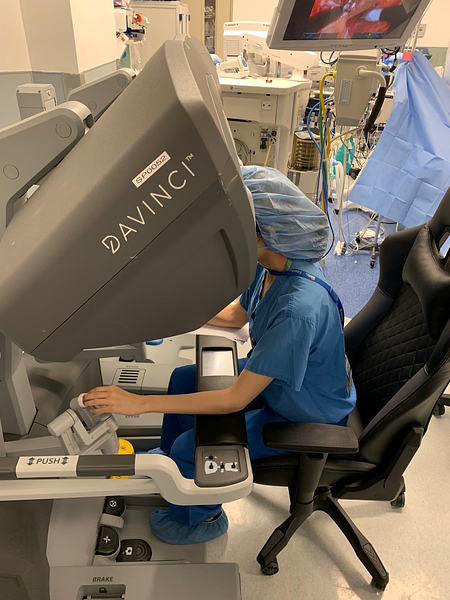
Kidney cancer begins in the kidneys — the bean-shaped organs that filter waste from your blood, produce urine, and regulate blood pressure and red blood cell production. An estimated 80,450 new cases are diagnosed in the U.S. each year, and the outlook is genuinely encouraging for most patients: roughly two-thirds of cases are caught while still confined to the kidney, where the 5-year relative survival rate reaches 93.3%.
California is home to several respected academic cancer centers, and if you’re already connected to one, that’s a reasonable place to get comprehensive, multidisciplinary care. Dr. Shirin Razdan, a board-certified urologic oncologist in Miami, also treats patients who travel from California specifically for her subspecialty expertise in Single Port robotic surgery — a technique not yet widely available at every center — for kidney cancer treatment.
Kidney Cancer: Quick Facts
| Statistic | What the Data Shows |
| New U.S. cases annually | About 80,450, among the 10 most common cancers nationwide |
| Lifetime risk | About 1 in 45 for men, lower for women |
| Diagnosed at localized stage | About 65.7% of cases |
| 5-year survival, localized stage | 93.3% |
| 5-year survival, all stages combined | 79.2% |
| Sex distribution | About twice as common in men as in women |
| Common risk factors | Obesity, high blood pressure, smoking, and family history |
How Kidney Cancer Develops and Progresses
Kidney cancer is often found early or at a localized stage, frequently detected incidentally during imaging ordered for an unrelated reason. At this stage, symptoms — when present at all — may include blood in the urine, flank pain, unexplained weight loss, fever, or new or worsening high blood pressure.
When kidney cancer spreads, it most commonly reaches the lungs, bones, and liver, and symptoms can include fatigue, further weight loss, and respiratory issues if the lungs are involved. It’s worth knowing that surgical removal of kidney tissue — particularly a full nephrectomy — can reduce overall kidney function and modestly raise the long-term risk of chronic kidney disease, which is one reason kidney-preserving approaches are prioritized whenever a tumor allows for it.
Diagnosing Kidney Cancer
- Imaging: Ultrasound, CT scan, or MRI to determine tumor size, location, and involvement of nearby structures
- Biopsy: Performed selectively to confirm tumor subtype when imaging alone isn’t conclusive
- Lab work: Blood tests to assess kidney function and overall health
For a deeper walkthrough of this process, see our guide to understanding kidney cancer from diagnosis to surgical treatment options.
Treatment Options for Kidney Cancer
| Treatment | Used For |
| Active surveillance | Small masses (under 2–4 cm) that appear low-risk, particularly in older patients or those with other health concerns |
| Partial nephrectomy | Removes the tumor while sparing healthy kidney tissue; increasingly preferred for small, localized tumors to preserve function |
| Radical nephrectomy | Removes the entire kidney, and sometimes adjacent tissue or lymph nodes, for larger or more invasive tumors |
| Robotic / Single Port surgery | Minimally invasive techniques offering less pain, shorter recovery, and less blood loss than traditional open surgery |
| Ablation (cryoablation or radiofrequency) | Certain small tumors, particularly in patients who aren’t candidates for major surgery |
| Systemic therapies | Targeted therapy and immunotherapy, alone or combined, for metastatic or non-resectable disease |
| Radiation therapy | Less common for kidney cancer; used palliatively in select circumstances |
| Clinical trials | For novel agents, particularly in advanced disease — California has a number of centers actively enrolling patients |
For more detail on how these options are weighed against each other, see our full guide to kidney cancer treatment options.
What Dr. Razdan Offers California Patients
Single Port and Robotic-Assisted Surgery
Dr. Razdan specializes in robotic nephrectomy, including both partial and radical procedures, performed through small incisions with robotic instrumentation for enhanced precision. Single Port technique takes this further, performing the entire procedure through one small incision rather than several — an approach still concentrated among a relatively small number of specialized surgeons nationally.
Personalized Treatment Planning
Every recommendation is built around your specific tumor size, location, and overall health, with a clear explanation of why a partial versus radical approach — or surgery versus active surveillance — fits your situation.
Coordinated, Multidisciplinary Care
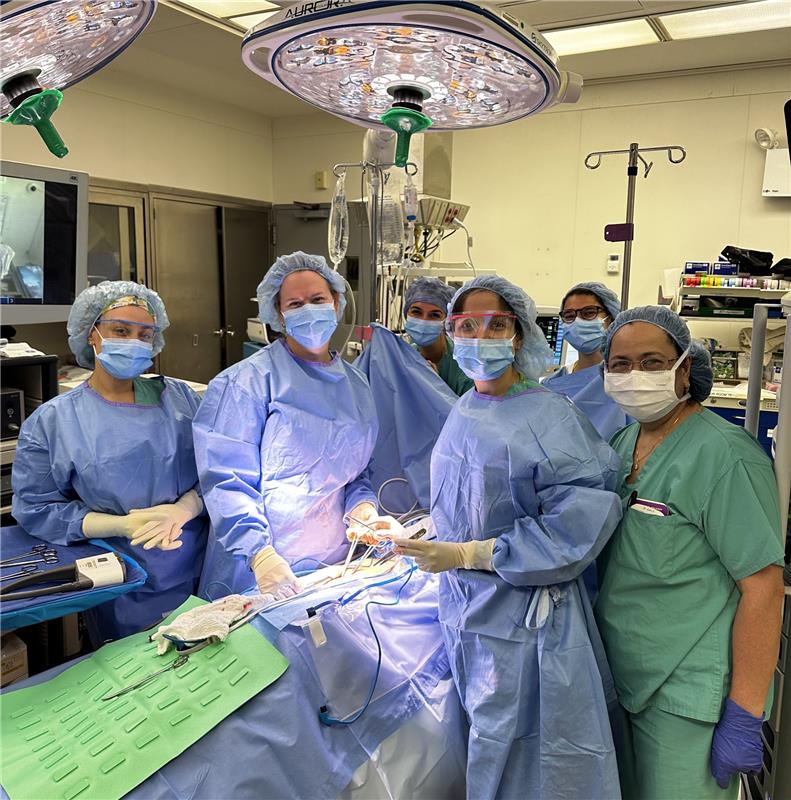
Dr. Razdan works alongside a broader care team to address the physical, emotional, and practical sides of a cancer diagnosis, using advanced imaging and staging to guide each step of treatment.
Structured Follow-Up
Treatment doesn’t end at surgery. Regular post-operative imaging and kidney function monitoring are built into the plan from the start, with clear patient education about what to expect at each stage — and coordination with a provider back home when that’s more convenient for ongoing monitoring.
Choosing Where to Get Treated
If you’re already connected to a major California cancer center, it’s entirely reasonable to get your care there — these programs offer real strengths, including multidisciplinary teams and active clinical trial enrollment. Traveling to Miami makes the most sense for patients specifically seeking Single Port or highly subspecialized robotic expertise, or those who want a second opinion before finalizing a treatment plan. Either way, asking any surgeon directly how many robotic or Single Port procedures they perform annually, and whether a kidney-preserving approach fits your tumor, is one of the most useful questions you can ask before deciding.
Life After Treatment
Even after successful treatment, patients can face real challenges: post-operative pain during recovery, the possibility of long-term kidney function decline, and understandable psychological stress around recurrence. Helpful steps during recovery include:
- Keeping all scheduled follow-up imaging and lab appointments
- Maintaining a balanced diet and staying well-hydrated
- Quitting smoking, if applicable, to support long-term kidney and overall health
- Discussing any new or returning symptoms with your care team promptly rather than waiting for the next scheduled visit
Frequently Asked Questions
What is the survival rate for kidney cancer?
It depends heavily on stage at diagnosis. The 5-year relative survival rate is 93.3% for cancer still confined to the kidney, and 79.2% across all stages combined. Learn more in our complete guide to kidney cancer symptoms, survival rates, and treatment cost.
What are the challenges after kidney cancer treatment?
Even after successful treatment, patients may experience recovery pain, the possibility of long-term kidney function decline (especially after radical nephrectomy), and psychological stress related to recurrence risk — all of which are addressed through structured follow-up care.
What are important steps to take after kidney cancer treatment?
Regular medical follow-up, a balanced diet, staying well-hydrated, and quitting smoking all support long-term recovery and kidney health. Addressing psychological stress around recurrence with your care team is equally important.
What happens if a kidney tumor keeps growing untreated?
A growing tumor can increasingly affect kidney function and may cause bleeding reflected as blood in the urine. If it progresses to an advanced stage, the cancer can spread to nearby tissue, lymph nodes, or distant organs like the lungs and bones — which is why earlier evaluation and treatment are strongly linked to better outcomes.
Do I need to travel to Miami for an initial consultation?
Not necessarily — many out-of-state patients start with a remote review of imaging and records to determine whether traveling for Single Port or robotic surgery makes sense for their specific case.
Is active surveillance a real option, or does every kidney tumor need surgery?
Not every tumor needs immediate treatment. Small masses (generally under 2 to 4 cm) that appear low-risk — particularly in older patients or those with other significant health conditions — are often appropriate for active surveillance, with regular imaging rather than immediate surgery.
How is kidney cancer typically caught early?
Many cases are found incidentally during imaging ordered for an unrelated issue, since early kidney cancer often causes no symptoms. This is a major reason the overall localized-stage survival rate is so favorable — the cancer is caught before it’s had a chance to progress.
To learn more about Dr. Razdan’s background and surgical approach, or to find out whether your case might be a good fit for Single Port treatment, visit her about page, or read more on whether kidney cancer is curable for your specific stage.