
305-468-3314

3650 NW 82nd Avenue, Suite 502, Miami, FL 33166


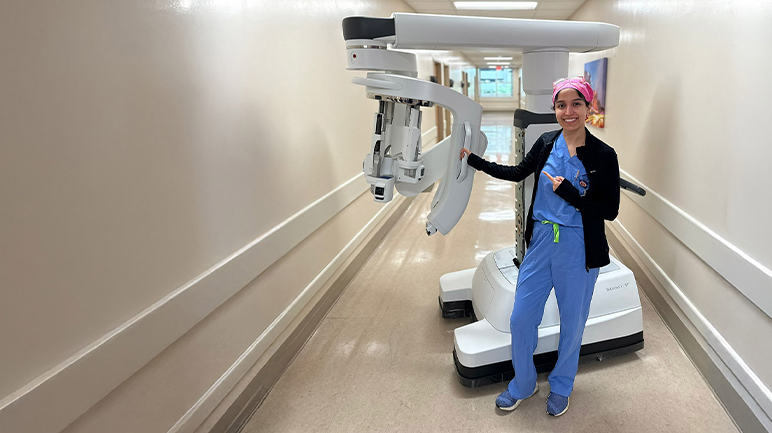
Kidney cancer — most often renal cell carcinoma — develops when cells in the kidney grow uncontrollably, and it’s more common in men over 50, with an average age of diagnosis around 65. An estimated 80,450 new cases are diagnosed in the U.S. each year, and the outlook is genuinely encouraging for most patients: roughly two-thirds of cases are caught while the cancer is still confined to the kidney, where the 5-year relative survival rate reaches 93.3%.
Connecticut has respected cancer programs of its own, including Hartford HealthCare and Yale-affiliated centers — if you’re already connected to one, that’s a reasonable place to continue your care. Dr. Shirin Razdan, a board-certified urologic oncologist and robotic surgeon in Miami, also treats patients who travel from Connecticut specifically for her subspecialty expertise in Single Port robotic surgery for kidney cancer.
Kidney Cancer: Quick Facts
| Statistic | What the Data Shows |
| New U.S. cases annually | About 80,450, among the 10 most common cancers nationwide |
| Typical age of diagnosis | Average age 65; more common in men over 50 |
| Sex distribution | About twice as common in men as in women |
| Diagnosed at localized stage | About 65.7% of cases |
| 5-year survival, localized stage | 93.3% |
| 5-year survival, all stages combined | 79.2% |
| Common risk factors | Smoking, obesity, high blood pressure, family history |
Understanding Kidney Cancer
Kidney cancer typically begins in the lining of the small tubes inside the kidney. The exact cause isn’t always clear, but several factors raise the risk: smoking, obesity, high blood pressure, and a family history of the disease. Early kidney cancer usually causes no noticeable symptoms, which is exactly why the overall localized-stage survival rate is so favorable — many cases are caught incidentally, before symptoms ever appear.
Symptoms to Watch For
- Blood in the urine (hematuria)
- A lump or mass in the abdomen or side
- Persistent pain in the back or side
- Unexplained weight loss
- Fatigue
- Fever that doesn’t resolve
- Loss of appetite
How Kidney Cancer Is Diagnosed
- Imaging: CT scans, MRIs, or ultrasounds to assess the size, location, and extent of the tumor
- Biopsy: Performed selectively to confirm tumor type and help guide treatment
- Lab work: Blood and urine tests to evaluate kidney function and overall health
For a closer look at what each step of this process involves, see our guide to understanding kidney cancer from diagnosis to surgical treatment options.
Treatment Options for Kidney Cancer
| Treatment | What It Involves | Best For |
| Active surveillance | Regular imaging monitors a small tumor without immediate treatment | Small, slow-growing tumors, particularly in older patients |
| Partial nephrectomy | Removes only the cancerous portion, preserving healthy kidney tissue and function | Smaller, well-localized tumors |
| Radical nephrectomy | Removes the entire kidney and surrounding tissue | Larger tumors or those in advanced stages |
| Robotic / Single Port nephrectomy | Minimally invasive technique using small incisions and robotic instrumentation | Most appropriately selected partial and radical nephrectomy candidates |
| Ablation | Heat or extreme cold destroys tumor tissue without a surgical incision | Small tumors, particularly when major surgery isn’t appropriate |
| Targeted therapy | Medication that interferes with the specific pathways cancer cells use to grow and divide | Cases where surgery alone isn’t curative |
| Immunotherapy | Helps the immune system recognize and attack cancer cells more effectively | Advanced or metastatic disease |
| Radiation therapy | Less commonly used for kidney cancer; mainly palliative | Reducing symptoms in advanced cases |
Not every tumor requires surgery — small, low-risk masses can sometimes be managed with ablation or active surveillance instead. For a broader breakdown of how these options are chosen, see our guide to kidney cancer treatment options.
What Dr. Razdan Offers Connecticut Patients
Minimally Invasive, Single Port Surgical Expertise
Dr. Razdan specializes in robotic-assisted nephrectomy, including both partial and radical procedures, offering similar effectiveness to traditional open surgery with meaningfully improved recovery. Her Single Port technique takes this further — performing the entire procedure through a single small incision, an approach still concentrated among a relatively small number of surgeons nationally.
Thorough, Personalized Diagnostics
Every treatment plan starts with a careful assessment of your diagnosis, imaging, and medical history, using current diagnostic tools to precisely map tumor size, location, and extent before recommending a path forward.
Coordinated Care for Systemic Treatment
When cancer has spread beyond the kidney and requires targeted therapy, immunotherapy, or radiation as part of a broader plan, Dr. Razdan coordinates directly with medical oncology and radiation oncology partners, so your surgical and systemic care stay connected rather than disjointed.
Structured Follow-Up
Your care doesn’t end at surgery. Regular post-operative imaging and kidney function monitoring, along with clear patient education, are built into the plan from the start.
Choosing Where to Get Treated
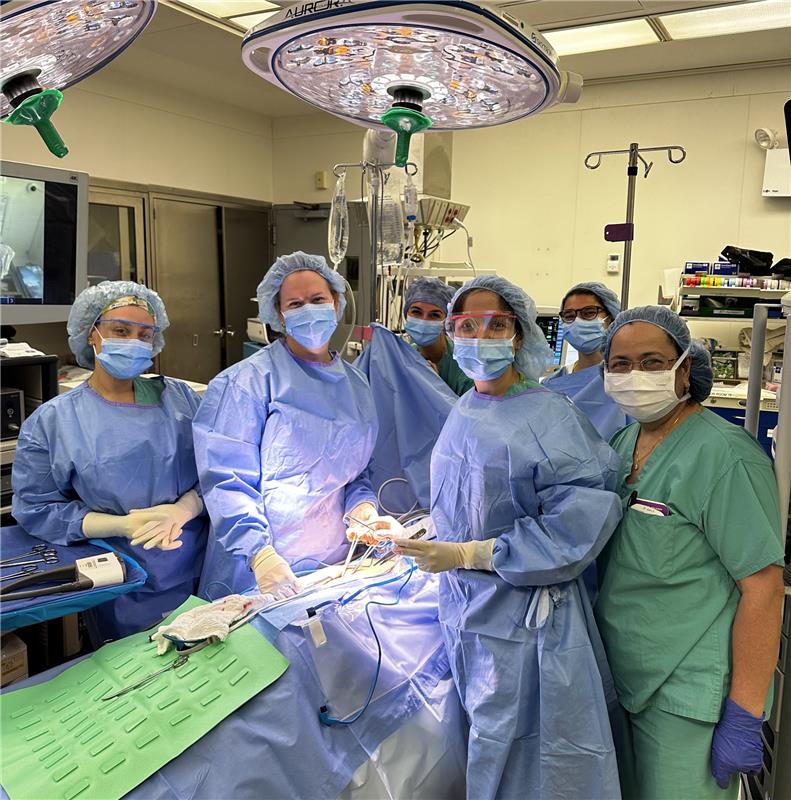
If you’re already connected to a Connecticut cancer center, continuing care there is entirely reasonable — these programs offer genuine strengths, including multidisciplinary teams close to home. Traveling to Miami makes the most sense specifically for patients seeking Single Port or highly subspecialized robotic expertise, or those who want a second opinion before finalizing a treatment plan. Whichever path you choose, it’s worth asking any surgeon directly how many robotic or Single Port procedures they perform each year, and whether a kidney-preserving approach is appropriate for your specific tumor.
Frequently Asked Questions
What are the typical symptoms of kidney cancer?
Common symptoms include blood in the urine, pain in the side or back, unexplained weight loss, fatigue, and a lump or swelling in the abdomen. Many cases show no symptoms at all in the earlier, most treatable stages.
What is the diagnosis process for kidney cancer?
Diagnosis typically involves imaging tests — CT scans, MRIs, or ultrasounds — along with biopsy procedures when needed to determine the specific type and stage of the cancer.
Is surgery always necessary for kidney cancer?
Not necessarily. The right approach depends on tumor size, location, and stage. Small tumors may be appropriate for ablation or active surveillance, while larger tumors generally require surgical removal.
What is targeted therapy in kidney cancer treatment?
Targeted therapy uses medication aimed at the specific genes or proteins that allow cancer cells to grow and spread. It’s typically used in more advanced cases, often alongside or instead of surgery, and coordinated with a medical oncology team.
What is the survival rate for kidney cancer?
The 5-year relative survival rate is 93.3% for cancer still confined to the kidney, and 79.2% across all stages combined. Learn more in our complete guide to kidney cancer symptoms, survival rates, and treatment cost.
Do I need to travel to Miami for a first consultation?
Not necessarily — many out-of-state patients start with a remote review of imaging and records to determine whether Single Port or robotic surgery is a good fit before planning travel.
How is kidney cancer typically found this early?
Many cases are discovered incidentally during imaging ordered for an unrelated reason, since early kidney cancer often causes no symptoms — a major reason routine care and attention to risk factors matter even without obvious warning signs.
Should I get a second opinion before deciding on treatment?
Yes — a second opinion is considered good medical practice for any cancer diagnosis and can help confirm your diagnosis and clarify your options, regardless of which provider you ultimately choose.
To learn more about Dr. Razdan’s background and surgical approach, visit her about page, or read more on whether kidney cancer is curable for your specific stage.