
305-468-3314

3650 NW 82nd Avenue, Suite 502, Miami, FL 33166


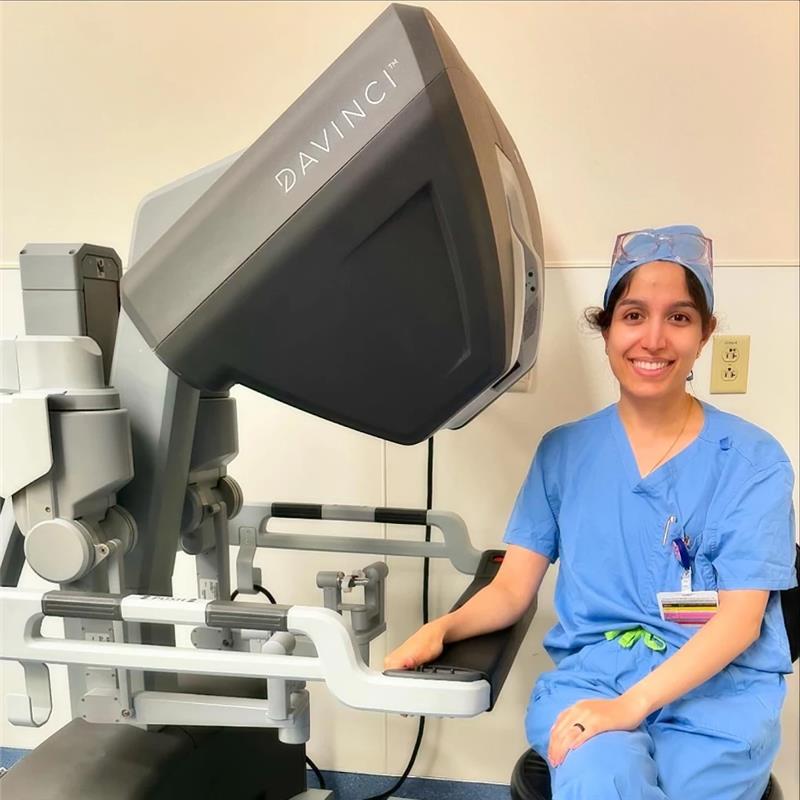
A kidney cancer diagnosis is overwhelming, and you don’t have to navigate it alone. Kidney cancer is among the 10 most common cancers in the U.S., with an estimated 80,450 new cases diagnosed nationally each year. The outlook is genuinely encouraging for most patients: roughly two-thirds of cases are caught while the cancer is still confined to the kidney, where the 5-year relative survival rate reaches 93.3%.
Georgia is home to respected cancer programs, including Winship Cancer Institute at Emory, an NCI-designated comprehensive cancer center — if you’re already connected to one, continuing care there is entirely reasonable. Dr. Shirin Razdan, a board-certified urologic oncologist and robotic surgeon in Miami, also treats patients who travel from Georgia specifically for her subspecialty expertise in Single Port robotic surgery for kidney cancer.
Facts About Kidney Cancer
| Statistic | What the Data Shows |
| New U.S. cases annually | About 80,450, among the 10 most common cancers nationwide |
| Diagnosed at localized stage | About 65.7% of cases |
| 5-year survival, localized stage | 93.3% |
| 5-year survival, all stages combined | 79.2% |
| Sex distribution | About twice as common in men as in women |
| Common risk factors | Smoking, obesity, high blood pressure, family history |
Treatment Options for Kidney Cancer
Treatment is determined after assessing the stage, size, and location of the cancer. For a closer look at this evaluation process, see our guide to understanding kidney cancer from diagnosis to surgical treatment options.
| Treatment | Purpose | Common Use |
| Active surveillance | Monitor slow-growing tumors without immediate treatment | Small, low-risk tumors |
| Surgery (robotic nephrectomy) | Remove the tumor or affected kidney tissue — partial nephrectomy preserves healthy kidney, radical nephrectomy removes the entire kidney | Early- and many later-stage kidney cancers |
| Targeted therapy | Target specific genes or proteins driving cancer cell growth | Advanced or metastatic kidney cancer |
| Immunotherapy | Stimulate the immune system to fight cancer cells more effectively | Advanced kidney cancer |
| Radiation therapy | Use high-energy rays to target cancer cells | Relieving symptoms or treating select small tumors |
| Chemotherapy | Use drugs to destroy or shrink cancer cells | Advanced kidney cancer resistant to other treatments; used less often than in many other cancers |
For more detail on how these options are weighed against each other, see our complete guide to kidney cancer treatment options.
What Dr. Razdan Offers Georgia Patients
Minimally Invasive, Single Port Surgical Expertise
Dr. Razdan specializes in robotic-assisted nephrectomy, both partial and radical, performed through small incisions for a quicker recovery than traditional open surgery. Her Single Port technique takes this further, completing the entire procedure through one small incision — an approach still concentrated among a relatively small number of surgeons nationally.
Patient-Focused, Whole-Person Care
Dr. Razdan takes time to educate patients about their available choices and involves them directly in decisions about their own treatment. Care extends beyond the surgical procedure itself to supporting overall health and quality of life throughout treatment.
Coordinated Care Beyond Surgery
When cancer has spread and requires targeted therapy, immunotherapy, or radiation as part of a broader treatment plan, Dr. Razdan coordinates with medical oncology and radiation oncology partners so your surgical and systemic care remain connected.
Choosing Where to Get Treated
If you’re already connected to a Georgia cancer program, continuing care there is a reasonable choice — these centers offer real strengths, including multidisciplinary teams and research affiliations close to home. Traveling to Miami tends to make the most sense for patients specifically seeking Single Port or highly subspecialized robotic expertise, or those who want a second opinion before committing to a treatment plan. Either way, it’s worth asking any surgeon directly how many robotic or Single Port procedures they perform annually, and whether a kidney-preserving approach is appropriate for your specific tumor.

Frequently Asked Questions
What are the survival rates for kidney cancer?
Survival depends heavily on stage at diagnosis. The 5-year relative survival rate is 93.3% for cancer still confined to the kidney at diagnosis, and 79.2% across all stages combined. Learn more in our complete guide to kidney cancer symptoms, survival rates, and treatment cost.
How is kidney cancer diagnosed?
Kidney cancer is usually diagnosed through imaging tests — CT scans, MRIs, or ultrasounds. A biopsy may be used to confirm the diagnosis and determine the specific type of cancer.
Is surgery the best treatment for kidney cancer?
Surgery is the most common and effective treatment for localized kidney cancer, but the right approach depends on the stage and location of the tumor. Additional treatments may be used for more advanced or persistent cases.
What is targeted therapy, and how does it work?
Targeted therapy drugs act on the specific molecules that drive cancer growth, blocking signals cancer cells need to grow and spread — a more precise approach than traditional chemotherapy, typically used for advanced or metastatic disease.
Can kidney cancer be prevented?
There’s no guaranteed way to prevent kidney cancer, but you can reduce your risk by not smoking, maintaining a healthy weight, and managing high blood pressure.
Do I need to travel to Miami for an initial consultation?
Not necessarily — many out-of-state patients begin with a remote review of imaging and records to determine whether Single Port or robotic surgery is a good fit before planning travel.
Is active surveillance a real option, or does every tumor need treatment?
Not every tumor requires immediate treatment. Small, low-risk tumors that grow slowly and don’t significantly affect health may simply be monitored over time with active surveillance rather than treated right away.
Should I get a second opinion before starting treatment?
Yes — a second opinion is considered good medical practice for any cancer diagnosis and can help confirm your diagnosis and clarify your options, regardless of which provider you ultimately choose.
To learn more about Dr. Razdan’s background and surgical approach, visit her about page, or read more on whether kidney cancer is curable for your specific stage.