
305-468-3314

3650 NW 82nd Avenue, Suite 502, Miami, FL 33166


Kidney cancer, also known as renal cancer, is a common type of cancer that affects many people worldwide, including those in Maryland. This disease originates in the kidneys, which are two bean-shaped organs located in the back of the abdomen. The kidneys play a crucial role in filtering waste and excess fluids from the blood and producing urine. Kidney cancer develops when abnormal cells in the kidney begin to grow uncontrollably, forming a tumor. If left untreated, these cancerous cells can spread to other parts of the body.
Over the past few decades, the incidence of kidney cancer has increased among adults. Fortunately, advancements in treatments have improved patient care, providing access to cutting-edge technology, skilled oncologists, and personalized treatment plans.
If you or a loved one has been diagnosed with kidney cancer, it is essential to choose a provider with extensive experience and expertise in robotic urologic surgery, targeted therapies, and multidisciplinary care. These factors can lead to improved outcomes and a more positive overall experience.
What Are the Treatment Options for Kidney Cancer in Maryland?
Treatment options for kidney cancer can vary individually depending upon different factors, including the type, size, location of the kidney cancer or tumor, and overall health of the patient. Different treatment options for kidney cancer may include:
- Surgery
- Targeted Therapy
- Immunotherapy
- Radiation Therapy
- Ablation Therapy
- Cryoablation
1. Surgery
Removal of the tumor surgically is the primary treatment for localized kidney cancer. Different surgical options, like nephrectomy and laparoscopic and robotic-assisted surgery, are performed for kidney cancer.
Nephrectomy
A nephrectomy is a surgical treatment in which the affected kidney can be removed or just the tumor, while preserving the healthy tissue. The entire kidney removal is a radical nephrectomy, whereas the removal of the tumor only by preserving the healthy tissue is a partial nephrectomy.
Laparoscopic and Robotic-Assisted Surgery
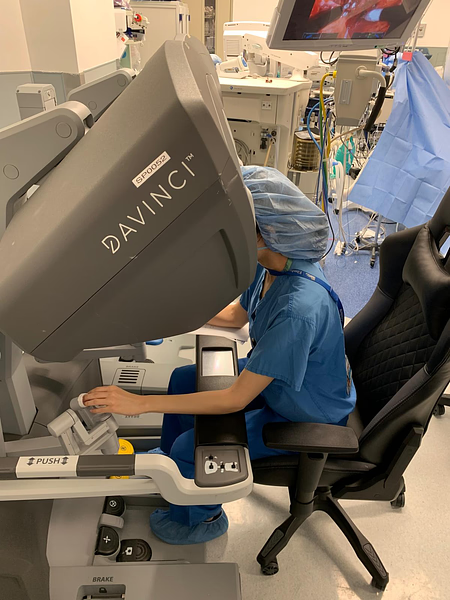
Robotic-assisted laparoscopic nephrectomy is a minimally invasive approach that is preferred over the traditional open surgery due to several reasons:
- Shorter hospital stays
- Less pain and blood loss
- Faster recovery time
2. Targeted Therapy
Targeted therapy is a treatment for kidney cancer in which drugs are used to attack the specific molecules that are responsible for the growth and survival of the cancer cells. The targeted therapy can block blood vessels that supply tumors and disrupt cellular communication and growth signals.
3. Immunotherapy
Immunotherapy can stimulate the patient’s own immune system, which can detect and destroy cancer cells. Different drugs have shown improved survival rates in advanced renal cell carcinoma. Immunotherapy can be combined with other treatments that can increase its effectiveness.
4. Radiation Therapy
Radiation therapy is generally not a primary treatment for kidney cancer. But this treatment can be useful for managing tumors that have spread to the brain or spine. Some modern radiation techniques, like stereotactic body
5. Cryoablation
A minimally invasive procedure, cryoablation involves the use of extreme cold to freeze and destroy cancer cells. This is an effective treatment for small tumors, typically measuring under 4 cm, or for individuals who are not suitable candidates for surgery due to age or other health conditions.
6. Ablation Therapy (Radiofrequency Ablation)
The procedure is similar to cryoablation; ablation therapy uses heat that can destroy cancerous tissue. This procedure is another excellent alternative for patients with small renal masses or those who prefer not to undergo non-surgical approaches.
Different Factors That Influence Kidney Cancer Treatment Decisions
Several treatment factors that can determine the most appropriate treatment plan include:
- Kidney cancer, which is in the early stages, can be treated with surgery. Whereas the advanced stages of the kidney cancer may require multimodal therapy.
- The location and size of the tumors are important factors, as the tumors that are near vital structures may need more advanced surgical techniques.
- For those patients who have co-existing conditions, such as diabetes or hypertension, these conditions may influence treatment decisions.
- Some tumors respond better to immunotherapy or targeted drugs due to the genetic mutations.
Whom to Consult for Kidney Cancer Treatment?
For the treatment of kidney cancer, it is essential to consult a medical team that includes a urologist or an oncologist. An experienced urologist or oncologist can develop a personalized treatment plan following an accurate diagnosis.
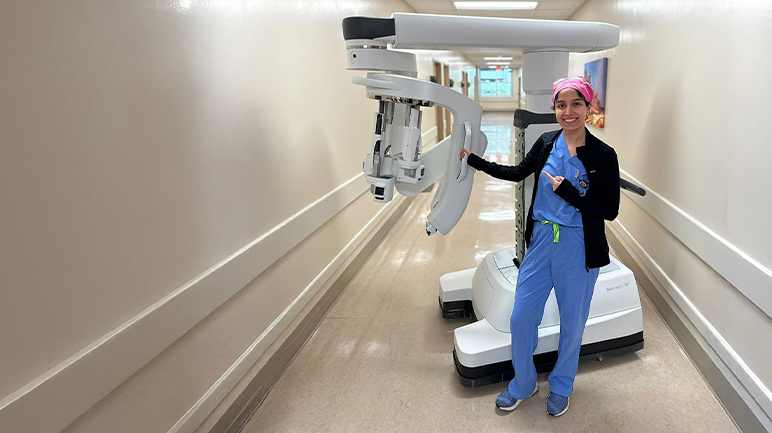
Dr. Shirin Razdan is a skilled and highly regarded oncologist based in Miami. She is recognized as one of the leading robotic urologic surgeons in Miami, providing treatment for various urologic conditions, including kidney cancer, prostate cancer, kidney stones, and symptoms related to an enlarged prostate, across multiple locations, including Maryland.
Dr. Razdan has received extensive training in Urology and Robotic Surgery at the Mount Sinai Health System in New York City. She has also collaborated closely with the Comprehensive Kidney Cancer Program at Mount Sinai. Due to her extensive experience and expertise, she is considered an authority in Endourology, Stone Disease, and Penile Prosthesis Surgery.
Conclusion
Kidney cancer is a serious medical condition, but it is treatable thanks to advancements in treatment options. Early detection is key to effective treatment. Depending on your specific situation, treatment may involve surgery, targeted therapy, immunotherapy, or a combination of these approaches.
It’s essential to collaborate with a skilled and compassionate medical team, such as the one at Miami Robotic Surgery (Comprehensive Urologic Surgery Institute), led by Dr. Shirin Razdan, who can tailor care to your unique needs.
If you or someone you know has been diagnosed with kidney cancer, it’s important to schedule a consultation with Dr. Shirin Razdan today to begin the journey toward recovery.
FAQs About Kidney Cancer Treatment in Maryland
Question 1. What are the early symptoms of kidney cancer?
Answer. In most cases, kidney cancer shows no symptoms. When the symptoms occur, one may notice blood in the urine, back pain, weight loss, and fatigue.
Question 2. What types of kidney cancer are most common?
Answer. The most common types of kidney cancer are Renal Cell Carcinoma, accounting for about 90% of cases. Transitional Cell Carcinoma and Wilms’ Tumor are less common.
Question 3. Who is eligible for robotic-assisted kidney surgery?
Answer. Those with localized tumors and good general health can be the ideal candidates for robotic-assisted partial or radical nephrectomy. This procedure offers reduced recovery time and scarring.
Question 4. What if the kidney cancer has spread to other parts of the body? How can it be managed?
Answer. Advanced kidney cancer can spread to other parts of the body, including bones, lungs, and the brain. Managing the advanced kidney cancer may include some methods, including systemic therapies, palliative radiation, or surgery, depending on the location and complexity.

Medically Reviewed By
Dr. Shirin Razdan
Dr. Shirin Razdan is the director of the robotic surgery department at the Comprehensive Urological Surgery Institute in Miami, Florida. She is one of the leading and world renowned robotic surgeons in the United States who completed her medical education from Icahn School of Medicine at Mount Sinai Hospital, New York and has undergone subspecialty training in Urologic Oncology and Robotic Surgery.