
305-468-3314

3650 NW 82nd Avenue, Suite 502, Miami, FL 33166


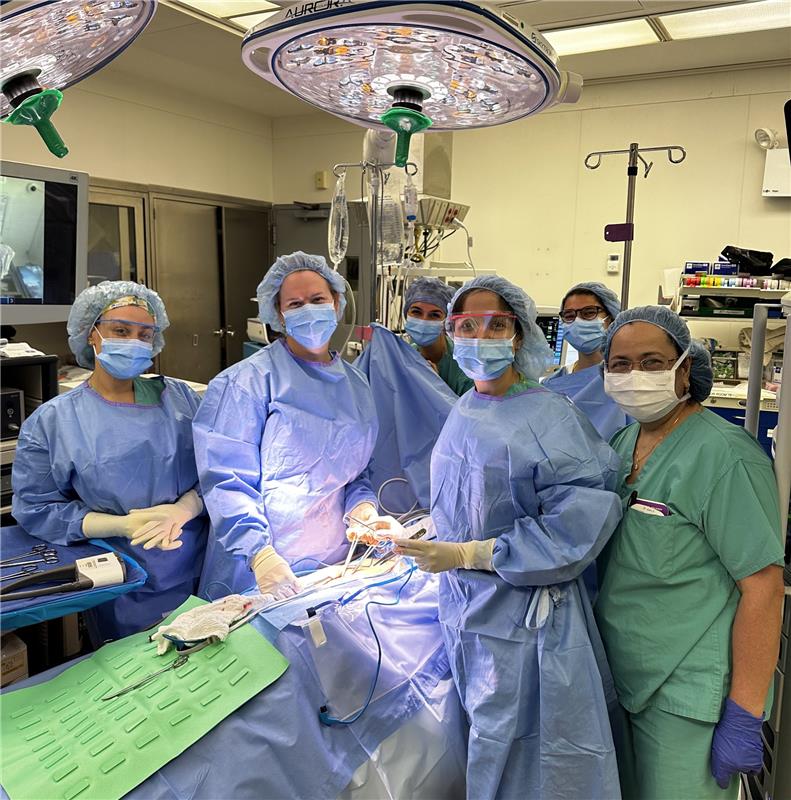
Kidney cancer is becoming an increasingly serious issue affecting many people worldwide, including those in Massachusetts. This condition, known as kidney cancer or renal cell carcinoma (RCC), can be severe, but if caught early, it is treatable. Various treatment options are available, including minimally invasive surgical techniques, targeted therapies, and immunotherapy, all of which have proven effective against kidney cancer. If you or someone you care about is facing a kidney cancer diagnosis in Massachusetts, it’s crucial to consult with an experienced urologic surgeon. Massachusetts is known for providing world-class treatment for this condition.
According to the latest estimates from the American Cancer Society for kidney cancer in the United States in 2024, approximately 81,610 new cases of kidney cancer are expected to be diagnosed, and around 14,390 people are projected to die from this disease.
Most individuals diagnosed with kidney cancer are older, with the average age of diagnosis being 65. This type of cancer is rare in individuals under 45 years old, and it is diagnosed more frequently in men than in women. Additionally, kidney cancer is more commonly found among African American, American Indian, and Alaska Native populations.Given these statistics, it is clear that early diagnosis and treatment are essential for effectively addressing this serious condition.
Kidney Cancer | A Serious Health Concern
Kidney cancer originates in the kidneys, which are vital organs responsible for filtering blood, removing waste and excess fluid, and producing urine to maintain the body’s chemical balance. The kidneys are bean-shaped organs located behind the abdominal organs. The most common type of kidney cancer is renal cell carcinoma, which accounts for more than 90% of cases.
Common symptoms of kidney cancer may include blood in the urine, persistent pain in the back or side, unexplained weight loss, fatigue, and a noticeable lump in the abdomen. However, kidney cancer may not always present symptoms, and it is often detected incidentally during imaging tests or when investigating another health issue.
What are the Treatment Options for Kidney Cancer?
The treatment for kidney cancer depends on different factors, including tumor size & location, stage of the cancer, patient’s age, overall health, kidney function, and genetic risks.
Different treatment options available for Kidney cancer may include:
- Surgery
- Ablative Therapies
- Targeted Therapy
- Radiation Therapy
- Immunotherapy.
1. Surgery
For localized kidney cancer, surgery is the primary treatment. Different types of surgical treatments performed for surgery may include partial nephrectomy, radical nephrectomy, and robotic or laparoscopic nephrectomy.
| Type of Surgery | Focus of Surgery |
| Partial nephrectomy | In this procedure, only the tumor is removed, and kidney function is preserved. This procedure is ideal for small or early-stage tumors. |
| Radical Nephrectomy | In this procedure, the entire kidney is removed, often including the adrenal gland and surrounding tissues. |
| Robotic or Laparoscopic approaches | This procedure offers faster recovery, less blood loss, and fewer complications than traditional open surgery. |
2. Ablative Therapies
For those who are unable to undergo surgery, ablation offers a less invasive option. Different options for ablation include cryoablation and radiofrequency ablation.
- Cryoablation is a procedure where the tumor is frozen to destroy cancerous tissue.
- Radiofrequency ablation is a procedure in which heat is used to eliminate cancer cells.
3. Targeted Therapy
Targeted drugs and therapies are designed to interfere with the specific proteins or pathways through which tumors grow and spread. Some common targeted therapies may include Tyrosine kinase inhibitors (TKIs) and mTOR inhibitors. These drugs are generally prescribed when the kidney cancer is metastatic or in advanced stages. These drugs can be used in combination with immunotherapy.
4. Immunotherapy
Immunotherapy is a revolutionary treatment for kidney cancer. In this procedure, the immune system is enabled to more effectively identify and destroy cancer cells.
Cancer treatment centers in Massachusetts are at the forefront of immunotherapy research and trials, offering access to various treatments.
5. Radiation Therapy
Radiation therapy is not a commonly used treatment for early-stage kidney cancer, but it is an ideal method to treat bone or brain metastases and palliative care to relieve pain in advanced cases.
What are the Support Services for Patients?
The medical journey of kidney cancer can affect mental, emotional, and social well-being. Support services that an ideal treatment centre in Massachusetts can offer:
- Nutrition counseling
- Pain and symptom management
- Psychological and family support
- Financial aid and insurance navigation
- Palliative and hospice care when needed
How to Choose the Right Hospital or Urologist?
When considering the right hospital or urologist, it is important to evaluate several key factors.
- The experience of the urologist and surgical team
- Availability of minimally invasive procedures
- Access to clinical trials
- Integrated support services and patient navigation
- Location, especially if regular treatments are needed
What to Expect During Treatment
Every treatment plan is unique, and one can expect the following things during the treatment of kidney cancer:
- Initial diagnosis and staging
- Multidisciplinary tumor board review
- Discussion of treatment options
- Surgery, ablation, or medication
- Follow-up imaging and lab work
- Long-term surveillance and support
What is the Recovery Time After Kidney Cancer Treatment?
Recovery after the procedure performed for kidney cancer may vary depending on different factors. Here is the estimated recovery time for kidney cancer:
- Surgery: 2–6 weeks
- Ablation: 1–2 weeks
- Medication: Ongoing with regular monitoring
Dr. Shirin Razdan | Best Robotic Urologic Surgeon based in Miami
Dr. Shirin Razdan is an experienced robotic urologic surgeon based in Miami, specializing in effective treatments for urologic conditions, including kidney cancer. She offers compassionate care to her patients and serves individuals suffering from kidney cancer in Massachusetts by developing a personalized treatment plan along with her skilled medical team. The reasons why Dr. Shirin Razdan is considered a leading robotic urologic surgeon for the treatment of kidney cancer include:
- Extensive experience
- Strong Communication skills
- Adaptability to patient and medical needs
- Technical proficiency
Consult Dr. Shirin Razdan Today!
You can schedule your consultation today with Dr. Shirin Razdan through the following contact details:
Contact No. 305-468-3314
Address: 3650 NW 82nd Avenue, Suite 502, Miami, FL 33166
Receiving a diagnosis of kidney cancer can be life-changing. However, with the advanced and compassionate care provided by your medical team, your doctor can significantly impact your treatment outcome. If diagnosed early and with the appropriate treatment, patients have more options for successful treatment and long-term survival. While kidney cancer often has no symptoms in its early stages, it is important to be vigilant and not overlook any potential signs if they arise.
Frequently Asked Questions Kidney Cancer Treatment Massachusetts
Question 1. What if the kidney fails due to kidney cancer?
Answer. If the kidney fails due to kidney cancer, the primary treatments are dialysis or a kidney transplant to replace the lost functionality of the kidneys. The choice for the treatment can depend on the individual’s overall health and the extent of kidney damage caused by cancer and its treatment.
Question 2. How to find out if I have kidney cancer?
Answer. Some symptoms, like blood in your urine, back pain, and unexpected weight loss, can indicate kidney cancer. Not all kidney cancers show symptoms and are often discovered by chance during an imaging test like a CT scan or ultrasound for another reason.
Question 3. Which tests are used to diagnose kidney cancer?
Answer. Tests such as urinalysis, blood tests, and imaging tests can confirm the presence of kidney cancer. With the help of these tests, the location and size of the cancer can be determined. These tests can also differentiate cancerous and non-cancerous growths.
Question 4. What is the last stage of kidney cancer?
Answer. The last stage of kidney cancer is stage 4, where the cancer has spread to other parts of the body. Kidney cancer may spread to the bones, liver, lungs, or brain.

Medically Reviewed By
Dr. Shirin Razdan
Dr. Shirin Razdan is the director of the robotic surgery department at the Comprehensive Urological Surgery Institute in Miami, Florida. She is one of the leading and world renowned robotic surgeons in the United States who completed her medical education from Icahn School of Medicine at Mount Sinai Hospital, New York and has undergone subspecialty training in Urologic Oncology and Robotic Surgery.