
305-468-3314

3650 NW 82nd Avenue, Suite 502, Miami, FL 33166


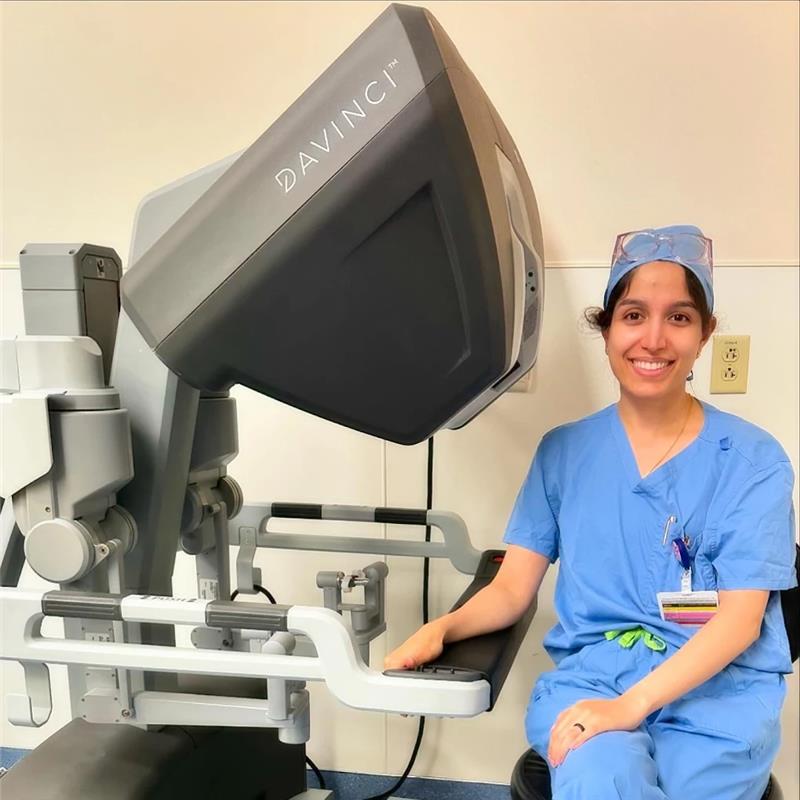
A diagnosis of kidney cancer brings a hundred questions at once. If you live in Minnesota, start with this: almost two-thirds of Minnesotans are diagnosed while the cancer is still inside the kidney, when treatment works best. This guide covers the Minnesota numbers, your treatment options, and what a second opinion with urologic oncologist Dr. Shirin Razdan in Miami looks like.
Every number below comes from a named source.
Kidney Cancer in Minnesota: The Numbers
Kidney cancer is one of the ten most commonly diagnosed cancers in both Minnesota men and women. Here is how the data looks.
| Measure | What the data shows | Source |
| New cases in Minnesota | 1,099 kidney and renal pelvis cancers diagnosed in 2016 | MDH |
| Deaths in Minnesota | 241 in 2016 | MDH |
| Stage when found (2012 to 2016) | Almost two-thirds localized, 17% regional, 13% distant, 5% unstaged | MDH |
| 5-year survival (diagnosed 2009 to 2015) | About three-quarters overall: 74% for men, 77% for women | MDH |
| Men vs. women | 24 new cases per 100,000 men vs. 11 per 100,000 women | MDH |
| City vs. countryside | New cases: 16.1 per 100,000 in large metro counties vs. 18.8 in non-metro counties. Deaths: 3.7 vs. 4.6 | MDH |
| Across the U.S. in 2026 | About 80,450 new cases and 15,160 deaths expected; about 1.8% of people are diagnosed in their lifetime | SEER |
What does that mean for you? First, most Minnesotans catch kidney cancer early, and early disease has excellent outcomes. Second, if you live in Greater Minnesota, far from a large metro area, the state data show higher rates of new cases and deaths than in counties like Hennepin. That does not change your personal odds. It is a good reason not to wait on symptoms, and to get an expert opinion even if it is farther away.
Note: the latest Minnesota figures in the public MDH fact sheet are from 2016. Check the Minnesota Cancer Reporting System for newer numbers before publishing.
Survival by Stage: Why Early Detection Matters
Doctors describe outlook with a “5-year relative survival” rate. It compares people with kidney cancer to the general population, so it is not a prediction for any one person. Newer drugs mean people diagnosed today may do better than these figures show.
| Stage at diagnosis | Share of cases | 5-year survival |
| Localized (confined to the kidney) | 66% | 93.6% |
| Regional (nearby lymph nodes) | 17% | 77.6% |
| Distant (spread to other organs) | 15% | 20.3% |
| All stages combined | 100% | 79.2% |
U.S. data, 2016 to 2022 (SEER).
Who Is at Higher Risk?
Anyone can develop kidney cancer, but some factors raise the odds:
- Age: the median age at diagnosis is 65, and the biggest share of cases (30%) is found between ages 65 and 74.
- Sex: Minnesota men are diagnosed at more than twice the rate of women.
- Smoking: tobacco is a known cause. Former smokers have lower risk than current smokers. About 10.2% of Minnesota adults smoke.
- Weight: being overweight or obese raises risk. About 32.3% of Minnesota adults have obesity.
- High blood pressure: a history of it is linked to higher risk.
- Workplace exposure: if you have worked around metal degreasing solvents such as trichloroethylene (TCE), tell your doctor.
- Family history: inherited conditions account for 3% to 5% of cases. Ask your doctor whether genetic counseling makes sense for you.
- Race and ethnicity: American Indian Minnesotans have the highest rate, at 36.8 new cases per 100,000, compared with 16.2 for White non-Hispanic Minnesotans.
Early Signs of Kidney Cancer
Early kidney cancer is usually silent, and there is no routine screening test, so many tumors turn up by chance on scans done for something else. As a tumor grows, watch for:
- Blood in the urine (pink, red, or cola-colored)
- Pain in your side or back that does not go away
- A lump in your side or abdomen
- Weight loss you cannot explain, or loss of appetite
- Ongoing tiredness, low-grade fever, or night sweats
- Anemia, high blood pressure, or bone pain that your doctor cannot explain otherwise
Even one episode of blood in your urine deserves a call to your doctor. Do not wait for several symptoms to appear.
How Kidney Cancer Is Diagnosed and Staged
Your care team usually starts with urine and blood tests, then imaging: ultrasound, CT, or MRI. Some patients also need a biopsy. About 90% of kidney cancers are renal cell carcinoma, and clear cell is the most common subtype.
Staging then tells you how far the cancer has gone. Stage I and II tumors are confined to the kidney (stage I is up to about 7 cm). Stage III means nearby lymph nodes or large veins are involved. Stage IV means the cancer has spread beyond the kidney area. Staging decides your treatment plan, so ask your doctor to explain yours in plain words.
Kidney Cancer Treatment Options: Which Fits Which Situation
Your best option depends on tumor size and location, whether the cancer has spread, your age, and your overall health. This table shows the usual starting points.
| Your situation | Common approach |
| Small tumor, confined to the kidney | Partial nephrectomy (kidney-sparing surgery). In select cases, ablation or active surveillance. |
| Larger tumor, or one that cannot be removed on its own | Radical nephrectomy (the whole kidney is removed). |
| Small tumor, but surgery is not safe for you | Cryoablation or radiofrequency ablation, generally for tumors under about 4 cm. |
| Cancer has spread | Targeted therapy and immunotherapy, sometimes combined with surgery. Your team decides case by case. |
| Pain or bleeding from advanced disease | Radiation to relieve symptoms. Chemotherapy is rarely effective for kidney cancer. |
Surgery is the main treatment for early kidney cancer
Most localized tumors are treated with surgery. Robotic nephrectomy uses small incisions and a surgeon-controlled robotic system, which usually means less pain and quicker healing than open surgery. Dr. Razdan also offers single-port robotic surgery for selected patients, which uses one small incision.
Not sure whether you need the whole kidney removed? Read the breakdown of partial vs. radical nephrectomy. If the tumor allows it, saving healthy kidney tissue matters: one kidney can usually do the work of two, but protecting kidney function lowers your risk of problems later. This is especially important if you already have reduced kidney function or only one working kidney. See how robotic surgery preserves kidney function.

Targeted therapy and immunotherapy for advanced disease
When kidney cancer has spread, drug treatments take center stage. Targeted therapy blocks the signals tumors use to grow, including the formation of new blood vessels. Immunotherapy helps your own immune system recognize and attack cancer cells. These drugs are usually managed with a medical oncologist, so ask your team how all the pieces fit together.
Getting a Second Opinion: Minnesota to Miami
Minnesota has strong cancer care, and you may choose to stay close to home. A second opinion is still a normal, smart step. It is worth considering if you have been told the whole kidney must come out, your tumor is described as complex, your cancer has come back, or you simply want to be sure.
Dr. Razdan is a urologic oncologist and robotic surgeon based in Miami, FL, and her office works with patients who travel. Miami is roughly a three-hour nonstop flight from Minneapolis–St. Paul. If you already spend winters in Florida, ask about scheduling a visit while you are there. Planning a trip? Start with the patient travel guide.
To make your first visit count, gather these before you call:
- Your pathology or biopsy report
- Your CT or MRI images (the disc or an image-sharing link, not only the written report) and the radiology report
- Recent blood work, especially kidney function (creatinine)
- A list of your medications, and any earlier surgery notes if the cancer has returned
Recovery After Kidney Cancer Surgery
Recovery depends on the operation and your health. Minimally invasive surgery uses smaller incisions, which usually means less pain and a quicker return to normal activity than open surgery. Your surgeon will also tell you when it is safe to fly home. For a week-by-week picture, see the recovery timeline after robotic kidney cancer surgery.
Why Patients Choose Dr. Razdan
- A urologic oncologist and robotic surgeon who sees complex cases, recurrences, and second-opinion patients
- Kidney-sparing surgery whenever it is medically appropriate
- A treatment plan built around your tumor, your health, and your goals
- Clear answers and no rush when you come for a second opinion
Kidney Cancer FAQs for Minnesota Patients
How common is kidney cancer in Minnesota?
It is one of the ten most common cancers among Minnesota men and women. The state recorded 1,099 cases in 2016, and new diagnoses rose about 1% per year between 2003 and 2016. Rates are higher in non-metro counties than in large metro counties.
What is the survival rate for kidney cancer?
Across the U.S., 79.2% of people are alive five years after diagnosis. In Minnesota, about three-quarters of people diagnosed from 2009 to 2015 were alive at five years. The number depends heavily on stage: 93.6% when the cancer is localized, and 20.3% once it has spread to distant organs.
Can kidney cancer be cured?
Often, yes, when it is found early. For localized tumors, surgery can remove the cancer completely. Five-year survival is not the same as a cure, but it shows how well most people with early kidney cancer do. Even advanced disease can often be controlled for years with modern drug treatment.
Will I lose my whole kidney?
Not necessarily. If the size and location of your tumor allow it, a partial nephrectomy removes the tumor and keeps the rest of the kidney. If the whole kidney must come out, the remaining kidney can usually do the work of both.
When should I get a second opinion?
Consider one if you have been told you need a radical nephrectomy, your tumor is called complex, your cancer has returned, or your treatment options feel unclear. A second opinion rarely delays care and can confirm your plan or show you another option.
Is it realistic to travel from Minnesota to Miami for kidney cancer surgery?
Many patients do it. Nonstop flights take roughly three hours from Minneapolis–St. Paul. Call the office first so your scans and reports can be reviewed, and you know what to expect before you book travel.
What should I send before my first consultation?
Your pathology report, CT or MRI images and reports, recent blood tests including creatinine, a medication list, and notes from any earlier surgery. Having these ready saves time and helps Dr. Razdan give you useful advice at the first visit.
How long is recovery, and when can I fly home?
It varies by operation and by person. Minimally invasive surgery usually means less pain and quicker healing than open surgery. Your surgeon will tell you when it is safe to fly, based on how you are healing.
Talk to Dr. Razdan About Your Kidney Cancer
Whether you have a new diagnosis, a tumor under watch, or want a second opinion, you do not have to sort this out alone. Call 305-468-3314 or book a consultation and we will help you plan next steps from Minnesota.