
305-468-3314

3650 NW 82nd Avenue, Suite 502, Miami, FL 33166



If you’ve just heard the words “kidney mass” or “kidney cancer,” take a breath. Most kidney cancers are found early, and early-stage disease is very treatable. About 80,450 people in the U.S. will be diagnosed in 2026. Dr. Shirin Razdan is a Miami-based robotic urologic oncologist who treats Nebraskans who travel for kidney cancer care. This page explains what the numbers look like in Nebraska, your options, and exactly how care works when you live 1,500 miles away.
Kidney Cancer In Nebraska: The Numbers
Nebraska men are diagnosed with and die from kidney cancer more often than the national average.
| Per 100,000 people | Nebraska | U.S. |
| New cases, men | 24.6 | 23.1 |
| New cases, women | 12.5 | 11.8 |
| Deaths, men | 6.4 | 5.2 |
| Deaths, women | 2.5 | 2.2 |
Age-adjusted rates; incidence 2014–2018, deaths 2015–2019. Source: NCI State Cancer Profiles, via UNMC’s Cancer Burden in Nebraska report.
- The male differences are statistically significant. Male kidney cancer deaths in Nebraska run about 23% above the U.S. rate.
- Nebraska was projected to see about 460 new kidney and renal pelvis cancers and about 110 deaths in 2022 (American Cancer Society estimate).
- Kidney cancer ranks 5th among cancers diagnosed in Black and in American Indian/Alaska Native Nebraskans, but 9th among white Nebraskans (2009–2018).
What this means for you: the numbers aren’t a reason to panic, but they are a reason not to ignore a scan result or symptom. This is especially true if you’re a man, are over 50, or have other risk factors.
Risk Factors Common In Nebraska
Smoking, obesity, high blood pressure, chronic kidney disease and family history raise your risk. Obesity affects roughly 33% of white, 41% of Black and 41% of American Indian/Alaska Native adults in Nebraska. Current smoking is reported by about 15% of white, 22% of Black and 35% of American Indian/Alaska Native adults (2016–2020). You can’t change your genes, but blood pressure, weight and smoking are things your family doctor can help you act on today.
Symptoms: What To Watch For
Early kidney cancer often causes no symptoms. Many tumors are found by accident on a scan done for something else. When symptoms appear, they can include:
- Blood in your urine (pink, red or cola-colored)
- Ongoing pain in your back or side
- A lump in your side or abdomen
- Unexplained weight loss, fever or night sweats
- Fatigue that doesn’t go away
Read more about the silent signs of kidney cancer people often miss. If you see blood in your urine even once, call your doctor.
How Kidney Cancer Is Diagnosed
Your doctor will usually start with a CT or MRI scan, plus blood and urine tests. A needle biopsy is sometimes used, but small tumors are often treated based on imaging alone. If a scan has already shown a mass, bring the images and report to your consultation.
Stage Matters: Survival Rates
When kidney cancer is still inside the kidney, the 5-year relative survival rate is about 93%. Across all stages combined it’s roughly 79%. These are averages, and your age, health and tumor type all shape your own outlook.See what each stage means on our page on kidney cancer stages and survival rates.
Treatment Options
- Partial nephrectomy: removes the tumor and keeps the healthy kidney. This is often the goal for smaller tumors because it protects long-term kidney function. Here’s how partial and radical nephrectomy differ.
- Radical nephrectomy: removes the whole kidney, for larger or more complex tumors.
- Nephroureterectomy: removes the kidney and ureter for cancers of the renal pelvis.
- Ablation (freezing or heat): an option for select small tumors.
- Active surveillance: some small tumors can be monitored with regular scans.
- Targeted therapy, immunotherapy and radiation: used for advanced or spread disease, usually alongside a medical oncologist.
Why Robotic Surgery?
Robotic surgery uses a few small incisions instead of one large cut. Compared with open surgery, that typically means:
- Less pain and blood loss
- A shorter hospital stay, often one to three days
- Smaller scars
- A faster return to normal life
Dr. Razdan performs robotic nephrectomy for both partial and radical cases. For suitable patients she also offers single-port robotic surgery, which uses just one small incision.
Planning Care From Nebraska
- Send your records. Share your scans, pathology and notes before your visit.
- Consult. You’ll leave with a clear plan.
- Surgery in Miami. Plan to stay about [X days] near the hospital before flying home. Our patient guide to traveling to Miami for surgery covers flights, lodging and what to pack.
- Follow-up at home. Your regular Nebraska doctor can handle routine scans and blood work, with our team coordinating the results.
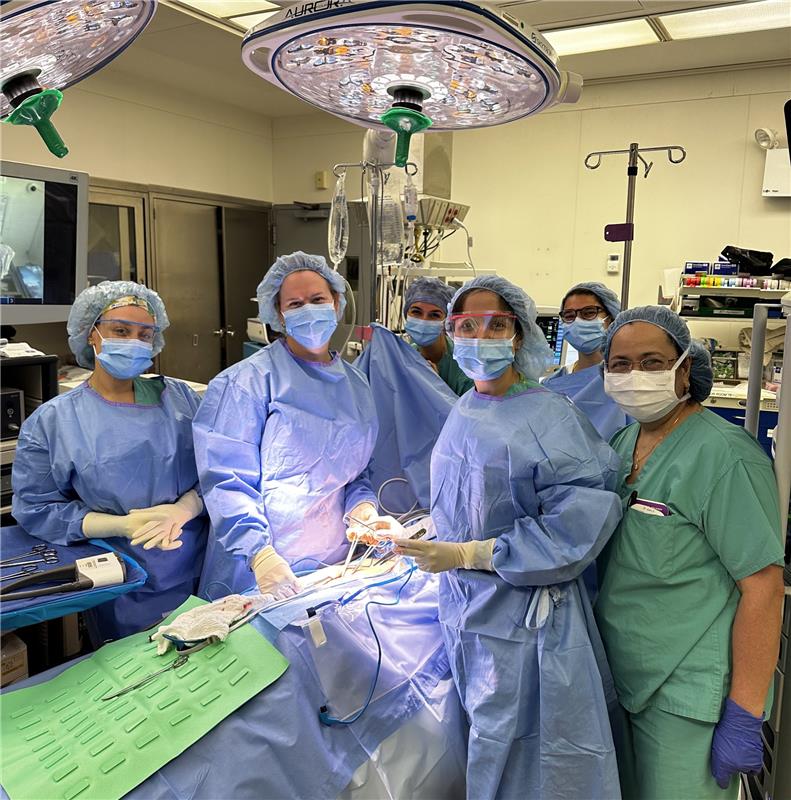
Why Nebraska Patients Choose Dr. Razdan
- robotic kidney surgeries performed [add real number]
- [Training, fellowship, board certifications]
- Focus on kidney-sparing surgery
- Surgeons who do more of these operations tend to have fewer complications
- Personal, one-on-one treatment planning
Book a consultation: 305-468-3314 | 3650 NW 82nd Avenue, Suite 502, Miami, FL 33166
Faqs: Kidney Cancer Treatment For Nebraska Patients
Do I really have to travel to Miami for surgery?
For the operation, yes. Many Nebraska patients make a single trip, and your records, scans and follow-up can be handled from home. A second opinion is a good first step if you’re unsure.
Is kidney cancer more common in Nebraska?
For men, yes. Nebraska’s male rate is 24.6 per 100,000 against 23.1 nationally, and male death rates are about 23% higher. Rates for women are close to the national average.
What are the early signs of kidney cancer?
Often there are none. Blood in the urine, a lump or lasting side pain are the usual first signs. Many tumors are found by accident on scans for other problems.
Is kidney cancer curable?
Often, yes, especially when it hasn’t left the kidney. About 93% of people with localized kidney cancer are alive five years after diagnosis, and surgery is the main treatment.
Will I lose my kidney, or need dialysis?
Not always. When the tumor’s size and location allow, a partial nephrectomy removes the tumor and keeps the healthy part of the kidney. Most people function well with one kidney, and your surgeon will check your overall kidney function before deciding.
Do all kidney tumors need surgery right away?
No. Some small tumors, especially in older patients or those with other health issues, can be watched with scans. Your consultation will cover whether that is safe for you.