
305-468-3314

3650 NW 82nd Avenue, Suite 502, Miami, FL 33166


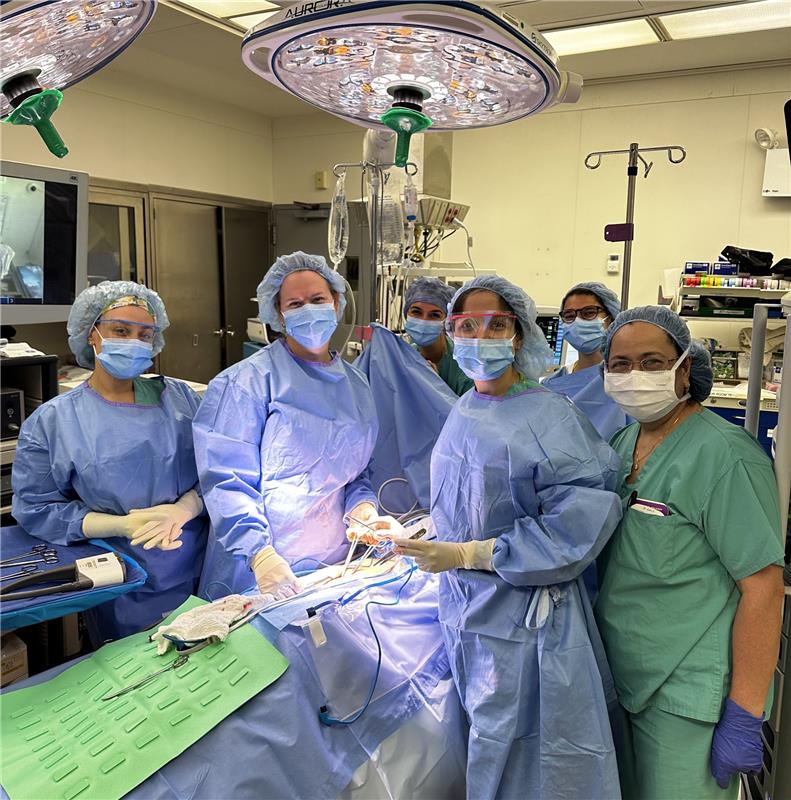
When faced with a kidney cancer diagnosis, having a clear treatment plan is essential. In Rhode Island, patients have access to advanced surgical and nonsurgical management options, as well as compassionate, multidisciplinary supportive care tailored to their individual needs. Whether you are newly diagnosed or seeking a second opinion, it is essential to understand how kidney cancer is managed in your area and when to seek expert advice outside of Rhode Island.
What is Kidney Cancer?
Kidney cancer (also known as renal cell carcinoma when it arises from the primary kidney tissue) occurs when abnormal cells in either one or both of the kidneys manically proliferate. These tumors may remain localized in the kidney or spread (metastasize) to other parts of the body. Early detection allows for more treatment options and improved outcomes.
Why Rhode Island for Your Kidney Cancer Treatment?
-
Multidisciplinary care in your community
>Rhode Island has practiced community‑based centres with state-of-the-art diagnosis and treatment facilities for urology and oncology patients. It is important to choose an experienced oncologist who can offer laparoscopic and robotic surgical techniques with precision and short recovery times.
-
Personalised treatment
An experienced oncologist in Rhode Island can offer personalised care based on tumour type, size, spread, overall health, and individual goals.
-
Access to advanced resources
Treatment options include active surveillance of smaller tumours, ablation therapies, partial or radical nephrectomy, and, when appropriate, systemic therapy.
-
Coordination with local care
In Rhode Island, receiving care will involve easier access to the clinic, your support system, and less travel, while still receiving expert care.
The Treatment Process: what to expect
Diagnostic Evaluation
Your first step will be a comprehensive evaluation in either the office or hospital setting: physical exam, imaging (CT, MRI, PET/CT), biopsy if recommended, and genetic testing when possible.
Multidisciplinary Tumour Board
After the comprehensive evaluation, specialists —including urologists, medical oncologists, radiation oncologists, interventional radiologists, and the supportive care team —will provide ongoing care. For example, large cancer networks develop teams to conduct case reviews and propose a personalised care pathway for each patient.
Care Pathway
Depending on the stage of your tumour, either of the following options may be available to you:
- Active surveillance if the tumour is small and low-risk
- Ablation, such as cryoablation or radiofrequency ablation, for some small tumours
- Partial (nephron-sparing) or radical nephrectomy is minimally invasive (laparoscopic or robotic) and is generally used when appropriate.
- Systemic therapies (targeted therapy, immunotherapy) if cancer has spread or is at a high risk for recurrence
- Radiation therapy, sometimes in select situations, is used particularly if surgery is not feasible.
Recovery and Follow-Up
Once treatment has been completed, active surveillance (i.e., imaging and lab tests to look for signs of recurrence, renal function, and health) is critical. Survivorship planning includes lifestyle support, nutrition, and monitoring of renal function.
What to look for when selecting a treatment centre in Rhode Island:
Once you are actively managing your treatment process, consideration should be given to.
- Volume and experience: Do the surgeons and oncologists frequently treat kidney cancer?
- Multidisciplinary team: Is there care involving urologists, oncologists, radiologists, nursing/support staff?
- Technology and options available: Are minimally invasive or robotic surgeries available? Are systemic therapies or clinical trial protocols listed?
- Patient-centered care/support: If needed, are you getting support with practical issues/logistics, appointments, emotional and nutritional support?
- Friendly to obtaining second opinions: A good cancer centre, like Miami Robotic Surgery, welcomes multidisciplinary care; if needed, they should also regularly engage outside experts.
Living Well During and Afterwards:
Your journey doesn’t end with the treatment. You will want to focus on:
- Healthy lifestyle: Balanced nutrition, regular physical activity, not smoking, and managing your weight.
- Kidney-health awareness: Especially if a kidney was removed or partially removed. Monitor kidney function (creatinine, eGFR); other health metrics may be important.
- Emotional support: Cancer affects more than just your body. Connect with support groups, get counseling, and involve your family.
- Follow-up adherence: Not going for surveillance scans or labs can result in your healthcare team not detecting your recurrence or complication early enough.
- Symptom awareness: Report any new pain, weight loss, fatigue, blood in urine, or any other symptomatic changes as soon as possible.
Conclusion
Receiving kidney cancer treatment in Rhode Island will provide you with proximity, high-quality care, and access to the latest and most advanced techniques and support. By selecting a centre with state-of-the-art multidisciplinary teams, expertise, technology, and treatment plans uniquely tailored to your needs, you are on your way to the best possible outcomes. And if your situation requires an additional layer of expertise, such as Dr. Shirin Razdan in Miami, you always have the option to pursue that path.
Just remember: You are not just treating a tumor, you are protecting your health, your kidney function, your quality of life, and your future. You are entitled to be well-informed, ask questions, and receive support from your entire care team, and each decision you make will ultimately be guided by the factors that are most important to you.
Frequently asked questions about kidney cancer treatment:
Question 1. What are the common symptoms of kidney cancer?
Answer. Many early kidney cancers may not have clear symptoms. If symptoms do occur, they may include blood in the urine, persistent flank pain, unexplained weight loss, or fatigue. Early diagnosis improves outcomes.
Question 2. Is surgery always necessary for kidney cancer in Rhode Island?
Answer. Not necessarily. If the tumor is small and slow-growing, your physician may choose active surveillance or possibly minimally invasive ablation instead of immediate surgery, depending on your health and tumor characteristics.
Question 3. What is robotic nephrectomy, and why is it important?
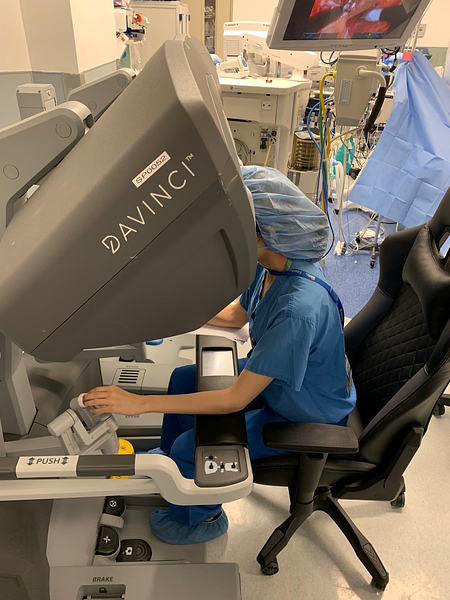
Answer. Robotic nephrectomy utilizes a robotic surgical system to remove all or part of a kidney through smaller incisions. This typically results in less pain, shorter hospital stays, and quicker recovery while maintaining kidney function.
Question 4. Can kidney cancer come back after treatment?
Answer. Yes. Recurrence is a possibility, so follow-up monitoring and imaging are essential. Your team will also consider your individual risk factors to guide you in making the best choice.
Question 5. When should I seek a second opinion or consultation with a specialist like Dr. Razdan?
Answer. You should seek a second opinion if you have a large, complex, or recurrent tumor; advanced treatment (such as robotic surgery) is necessary; or you just want to confirm a plan of action with a high-volume expert.

Medically Reviewed By
Dr. Shirin Razdan
Dr. Shirin Razdan is the director of the robotic surgery department at the Comprehensive Urological Surgery Institute in Miami, Florida. She is one of the leading and world renowned robotic surgeons in the United States who completed her medical education from Icahn School of Medicine at Mount Sinai Hospital, New York and has undergone subspecialty training in Urologic Oncology and Robotic Surgery.