
305-468-3314

3650 NW 82nd Avenue, Suite 502, Miami, FL 33166


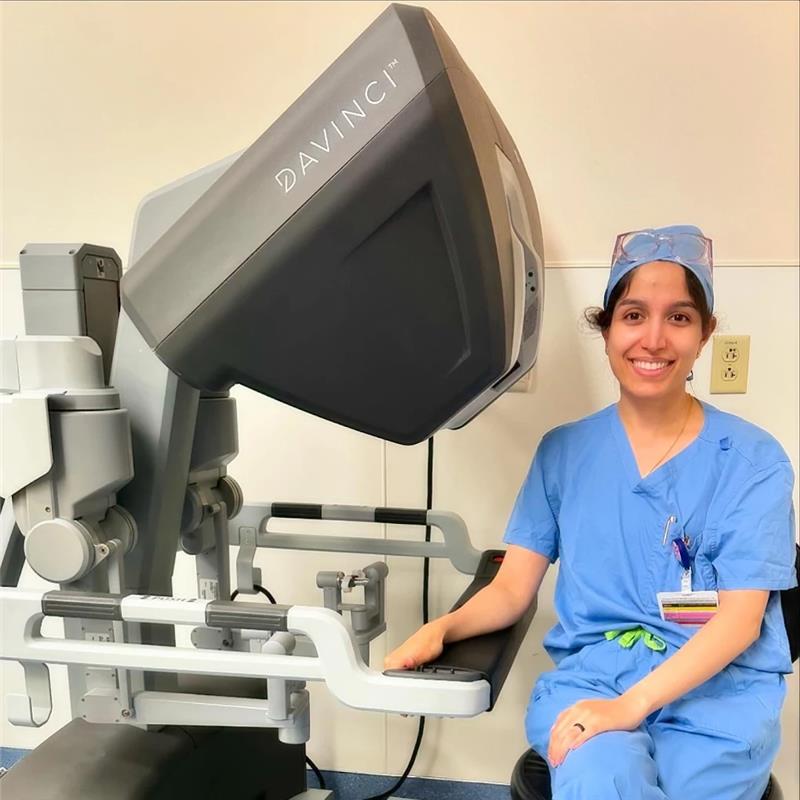
According to the National Library of Medicine reports, Kidney stone disease affects 1 in 11 people in the United States. Reports also say that diet and lifestyle factors are important components for changing the epidemiology of kidney stones. Kidney stones can be challenging and complex, causing pain, leading to several infections, and affecting renal function. This condition can show symptoms such as blood in the urine, pain, and kidney discomfort. For kidney stones, men can experience testicular pain, and women can feel the pain in the labia.
Several ways of treating kidney stones can be performed depending on the size and location of the kidney stone. The patient’s overall health and specific factors are also considerable points for the treatment procedure used for kidney stones. It is crucial to perform the right treatment procedure, such as minimally invasive surgery. Minimal-invasive surgery is considered the best, as it is done with small incisions, and sometimes, no incisions are made.
Surgical Treatments for Kidney Stones
Percutaneous Nephrolithotomy (PCNL) is used to remove kidney stones. A small incision is made, and a scope is inserted into the kidney through ultrasound. A stent is given to the patient to help drain the stones from the urine. The stent then comes out in the office under local anesthesia. This treatment procedure is considered the best for patients with large kidney stones.
Ureteroscopy is a treatment procedure for kidney stones in which a small camera is inserted into the ureter and kidney. In this procedure, no incisions in the body are made, and it is the preferred option for patients with small kidney stones.
After a stone is identified, a small laser fiber is used to blast the stone into tiny pieces that are removed using a special basket extractor. After stone clearance, patients are typically left with a stent that is subsequently removed under local anesthesia in the office.
What to Expect with PCNL?
Most patients are admitted after surgery for close monitoring. Most patients go home within 24 hours. Patients will be discharged home with pain medication and antibiotics. It is normal to have blood in the urine and pass stone fragments and sediment in the urine after the surgery. Avoid heavy lifting or exertion for 4 weeks after surgery. Light exercise can be resumed after two weeks. Drink plenty of water in the immediate postoperative period.
What to Expect with and after Ureteroscopy?
Ureteroscopy is an ambulatory procedure. Patients can go home the same day with pain medication and antibiotics. It is normal to have blood in the urine and pass stone fragments and sediment in the urine after the surgery.
Dr. Shirin Razdan | Kidney Stone Specialist in Miami, FL
Dr. Shirin Razdan has an impressive track record of eradicating large stone burdens that cannot be treated with ESWL or ureteroscopy. Patients who are not satisfied with other treatment options in the past or have failed to get the desired results through multiple surgical sessions do benefit from PCNL. Dr. Shirin Razdan is a kidney stones specialist in Miami, Florida. Why Dr. Shirin Razdan for Kidney stone eradication? Here are some reasons that make Dr. Shirin Razdan a perfect choice for kidney stone removal treatment procedures.
- Comprehensive care for Patients
- Technical Expertise
- Experience in performing successful surgical procedures
- Strong communication skills
- Specialized knowledge and diagnostic skills

Dr. Shirin Razdan is a skilled urologist based in Miami, FL. She offers expertise in removing kidney stones. You can schedule your appointment with Dr. Shirin Razdan by traveling to Miami or contacting 305-468-3314.
Frequently Asked Questions About Kidney Stones Specialist in Miami, FL
Question. What are the qualities an ideal urologist should have?
Answer. An ideal urologist should have the qualities, including technical expertise with experience, good communication skills, a patient-centered approach, and perform surgical treatment with specialized knowledge and diagnostic skills.
Question. After kidney stone removal, how many days will it take for full recovery?
Answer. The recovery period after the kidney stone removal treatment can last up to 4 to 6 weeks. Some patients have experienced faster recovery depending on their overall health.
Question. What can I expect during a consultation with Dr. Shirin Razdan?
Answer. During the consultation, Dr. Razdan will check your medical reports and history. She will take time to understand your unique needs. With her experience, she will diagnose your condition and recommend a suitable procedure.
Question. What should I avoid after a ureteroscopy?
Answer. Need to avoid heavy lifting or exertion for 4 weeks after surgery. Light exercise can be resumed after two weeks. Drink plenty of water in the immediate postoperative period.

Medically Reviewed By
Dr. Shirin Razdan
Dr. Shirin Razdan is the director of the robotic surgery department at the Comprehensive Urological Surgery Institute in Miami, Florida. She is one of the leading and world renowned robotic surgeons in the United States who completed her medical education from Icahn School of Medicine at Mount Sinai Hospital, New York and has undergone subspecialty training in Urologic Oncology and Robotic Surgery.