



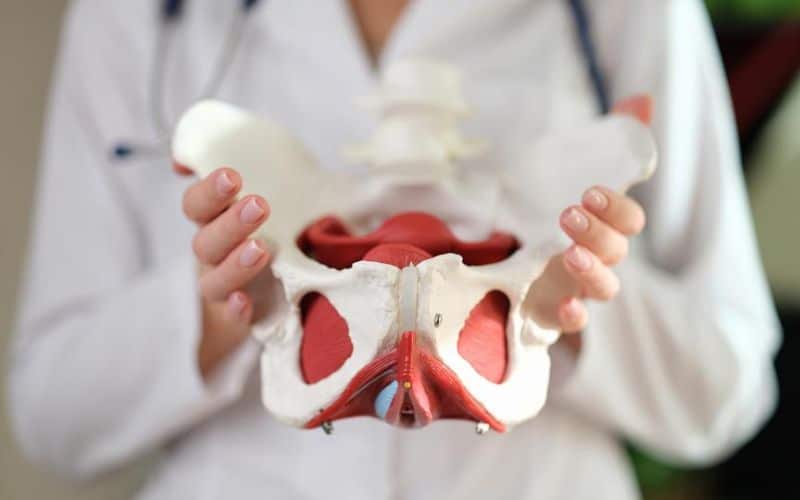
Urinary incontinence refers to the involuntary leakage of urine that can lead to discomfort and cause a person to feel embarrassed. Surgery for urinary incontinence is performed to provide enhanced support to the urethra and bladder neck, which can result in improved urinary control. The midurethral sling procedure is considered a common surgical option for the treatment of urinary incontinence. Different surgical procedures, including sling procedures, colposuspension, or bulking agents, are available to treat urinary incontinence. The success rate of these surgical options for urinary incontinence can depend on different factors, including procedure type and patient selection. Surgery for urinary incontinence can result in an improved quality of life. “Preparing for Urinary Incontinence Surgery: A Patient’s Guide” can help you understand how to prepare for the procedure, how to have a great recovery, and what to expect after the surgery.
Pre-Operative Preparation: The Weeks Before Surgery
Before the surgery is performed, preparation is key to achieving favorable outcomes. The weeks that lead up to your surgery play an essential role in helping achieve an optimal outcome. Different key points which you should focus on from a pre-operative perspective include:
You will have appointments with an highy skilled urologist for your pre-operative assessment. This appointment will assess your overall health, and the surgeon will discuss your medical history and determine the best course of action for you. Different tests, including blood tests, urine tests, and imaging scans, need to be performed before the surgery.
A complete list of medications and supplements you are currently taking should be provided to your doctor for review. The doctor will review the medications and advise which ones to stop before surgery.
Lifestyle Adjustments You Need to Follow:
Some lifestyle adjustments can be helpful before the surgery and can help ensure the best possible outcomes of the surgical procedure. One needs to adopt a healthy lifestyle and avoid certain activities. The lifestyle adjustments before a surgery can include:
- Quitting Smoking
- Reduce Alcohol Consumption
- Eat a healthy diet
- Weight Management can improve long-term outcomes.
- Pelvic floor exercises, depending on the procedure.
The Week Before Surgery: Final Preparations
The week before the surgery, the final preparations may include:
- Verifying the exact time and location of the surgery.
- Transportation arrangements should be made after your surgery. Usually, patients should not drive themselves home after surgery.
- A trusted family member or someone reliable should be with you for 1-2 days after you return home, in case you live alone.
- You may be asked to take a shower the night before and morning of surgery to prevent the risk of infection.
Generally, food should be avoided after midnight before your surgery. This is crucial to prevent complications and delays during anesthesia.
Preparations for the Day of Surgery
- Arrive at the hospital at the right time. You will need to check in and complete any necessary paperwork before surgery.
- Nurses will prepare you for surgery by taking you to a pre-operative area. You will need to change from your clothes into a provided hospital gown and will be given pre-operative medications.
- Your surgeon will visit you to confirm the procedure and answer any questions.
- You will be taken to the operating room.

Post-Operative Recovery | Urinary Incontinence Surgery
- After the surgical procedure is complete, you will be taken to the post-anesthesia care unit, where nurses will monitor your vitals, minimize any postoperative pain so you are comfortable, and recover from the anesthesia that was administered during surgery.
- Some pain and discomfort after the surgical procedure is normal. Pain medications may be given by the medical team. If you experience pain, don’t hesitate to communicate about your pain level to the nursing staff, so that any pain can be managed effectively.
- A temporary catheter can be used in the surgery that is used to drain your bladder. This catheter will be removed once you can urinate normally.
- You will be encouraged to get up or walk around as soon as possible. Light activities such as walking around can help prevent complications, including blood clots.
- Your hospital stay can depend on different factors, such as the type of surgery, and recovery can take from several hours to several days.
Going Home: What to Expect and How to Recover
- After the surgical procedure is performed, you will be sent home with certain medications. It is crucial to follow your doctor’s orders and take these medications as prescribed to ensure a smooth recovery after surgery.
- It is critical to follow instructions from an experienced urologist like Dr. Shirin Razdan and take care of your incision site to prevent an infection. Keeping your incision site clean and dry can be beneficial for proper wound care.
- Restrictions on certain activities, such as lifting, strenuous activity, and sexual activity, need to be followed for several weeks. Staying consistent with activity restrictions is important for appropriate healing after surgery.
- Constipation can be a common side effect after surgery, which can be a symptom due to taking certain medications. Your doctor may recommend some stool softeners.
- A healthy and balanced diet is crucial for ensuring the best outcome after surgery. A healthy diet and adequate fluid intake can also prevent constipation.
- You will need to go to all of your follow-up appointments with your surgeon to monitor your recovery and the success of the surgery. Your surgeon can also address any concerns or questions after surgery.
When to Contact Your Doctor Immediately:
If you notice any serious symptoms after your surgical procedure is performed, then it is crucial to seek immediate medical attention. The symptoms for which you need to contact your doctor immediately may include:
- Consistent fever, which is above 101°F.
- Severe pain that is not controlled by medication.
- Heavy bleeding from the incision site.
- Redness, swelling, or pus at the incision site can be signs of an infection.
- Difficulty to urinate
- Shortness of breath
- Chest pain.
Urinary incontinence surgery can improve or resolve the symptoms of incontinence in many cases. It is crucial to have realistic expectations; the improvement from this condition can vary depending on different factors, and some may experience occasional leakage. It is important to have long-term follow-up with your healthcare provider to address any concerns. By following the instructions of your healthcare provider, you can achieve a successful surgical outcome and the very best recovery, which will lead to a better quality of life.
Frequently Asked Questions for Urinary Incontinence Surgery:
Question 1. In how many days can I return home after Urinary Incontinence Surgery?
Answer. Most patients can return home on the same day of the surgery, but some take time to return home after urinary incontinence surgery. Recovery period after urinary incontinence surgery can vary from a few days to a few weeks to recover completely and return to daily activities. It is crucial to follow the instructions that are suggested by your doctor.
Question 2. What can be the common causes of urinary incontinence?
Answer. Urinary incontinence or involuntary urine leakage can be a result of different factors, including weak pelvic floor muscles and nerve damage. Some common factors, such as pregnancy, childbirth, and age-related muscle weakening, can also be contributing factors. Urinary tract infections, enlarged prostates in men, and neurological disorders can also be causes of urinary incontinence.
Question 3. What is urinary incontinence?
Answer. Urinary incontinence is continuous and involuntary urine leakage. This is a common medical condition in which individuals experience a loss of bladder control that can result in urinary leaks during activities, such as coughing or sneezing. Patients diagnosed with urinary incontinence may experience a strong and frequent urge to urinate.
Question 4. Do men and women both suffer from urinary incontinence?
Answer. Yes, both men and women can experience urinary incontinence, but it is a common medical condition in women. While women can experience urinary incontinence due to factors such as pregnancy, childbirth, and menopause. Men can also suffer from this condition, especially with age or after prostate surgery.
Related posts:
 Single Port Partial Nephrectomy with Low Anterior Access: Advancing Kidney Cancer Surgery in Miami
 Kidney Cancer Symptoms in Females vs. Males: What’s Different?
 Kidney Carcinoma Explained: Diagnosis, Staging, and Survival Rates
 Kidney Cancer in Younger Patients: What’s Different About Treatment Decisions