
305-468-3314

3650 NW 82nd Avenue, Suite 502, Miami, FL 33166


Kidney stones result in extreme pain and are a prevalent condition that affects millions of individuals across the world. This disease is a common and painful condition in the US that needs proper medical attention through surgical or non-surgical treatments. Miami is a place known for its medical facilities and widely known urologists. Ureteroscopy is a leading treatment option for the removal of kidney stones. A highly skilled physician has the potential to remove the kidney stone that is responsible for the pain and causes difficulty with urine flow. If you or any of your loved ones are suffering from kidney stones and their pain, ureteroscopy is an effective surgical treatment for this type of condition.
Ureteroscopy (often abbreviated URS) is a minimally invasive procedure used to diagnose and treat stones in the ureter and kidney. During ureteroscopy, a small, flexible or rigid scope is passed through the urethra and bladder into the ureter to locate and remove stones — often using a laser to break them into fragments first.
This page explains the procedure, benefits, typical outcomes, recovery timeline, and answers common patient questions based on current clinical evidence and experience.
What is Ureteroscopy?
Ureteroscopy is a minimally invasive surgical procedure used to detect and treat conditions that affect the urinary tract and urine flow, especially kidney stones. In this procedure, a thin tube called a ureteroscope is inserted through the urethra and bladder into the kidney or ureter. This instrument makes it easy for the urologist to observe the kidney stone on the screen. After this, the stones are broken by using a laser, and the surgeon places the ureteral stent after the, ureteroscopy, which takes around 1-2 weeks to remove post-surgery.
When is Ureteroscopy used?
This is the commonly recommended treatment that removes the stones from the ureter. This common treatment, ureteroscopy, is best for removing the stones closest to the bladder. This method is helpful and effective, but still not suitable for everyone. Women who are pregnant can go for this surgical method. For obese people and individuals with blood clotting disorders, this method is an ideal choice. Percutaneous nephrolithotomy can be the best option for very large and hard stones, but in some cases, open surgery is prescribed.
How Effective Is Ureteroscopy?
Ureteroscopy has become one of the most commonly performed stone-removal procedures because of its high success rates and effectiveness for a broad range of stone sizes and locations.
Typical outcomes:
- 80–97% stone-free rates depending on stone size and location (most studies report very high clearance when combined with laser lithotripsy).
- Often preferred over shock wave lithotripsy for larger stones or stones that are difficult to break externally.
Because stone size, composition, and location affect outcomes, your urologist will evaluate which approach is best for you.
Ureteroscopy Procedure Overview
| Step | What Happens |
| Before Surgery | Fast overnight; stop certain medications per instructions |
| Anesthesia | Usually performed under general anesthesia |
| Scope Insertion | A thin scope is passed up through the bladder into the ureter |
| Stone Treatment | Stones are grabbed with baskets or broken with a laser |
| Stent Placement | A temporary stent may be placed to help urine flow |
| Recovery | Outpatient procedure; typically goes home the same day |
Ureteroscopy usually lasts 1–3 hours depending on stone size and complexity.
What are the indications for ureteroscopy?
Ureteroscopy is a surgical procedure that is usually recommended for patients who:
- For patients who have kidney stones located in the lower half of the ureter or close to the bladder, this procedure is an ideal choice.
- This treatment is suitable for individuals who experience urinary tract infections or bleeding due to the stones.
- This surgical procedure is an effective method for removing the kidney stone.
- This procedure can remove the stones that are large and irregularly shaped.
- For those people who have obesity, pregnancy, or blood clotting disorders and cannot undergo treatments like shock wave lithotripsy, this procedure offers a precise and effective method of removing stones.
What are the benefits of Ureteroscopy for kidney stones?
Ureteroscopy is a beneficial and effective method for treating kidney stones and offers several advantages over traditional surgical methods, including:
- This procedure is minimally invasive in that no external incisions are involved, it can help reduce the risk of infection and offers a quicker recovery than other open or traditional surgeries.
- Ureteroscopy is an effective method with a high success rate and offers the best results for the stones in the lower ureter.
- Different patient groups can go for this type of surgical procedure, and it is ideal for those who cannot undergo other treatments due to their medical conditions.
- Many of the patients can return home the same day after the surgical procedure for kidney stone removal.
Ureteroscopy vs Other Treatments
| Treatment | Best For | Pros | Cons |
| Ureteroscopy (URS) | Stones in ureter/kidney | High stone removal rates; works on stones ESWL can’t | May require a stent |
| Shock Wave Lithotripsy (SWL) | Small stones | Non-invasive | Lower success in some stone types |
| Percutaneous Nephrolithotomy (PCNL) | Large stones | Very high clearance | More invasive, longer recovery |
Each option has advantages. Your urologist will tailor treatment to your stone size, symptoms, and overall health.
Who Is a Good Candidate?
Ureteroscopy may be especially indicated for:
- Stones that do not pass with conservative management
- Stones >5 mm in size
- Stones located in the mid or lower ureter
- Patients for whom shock wave lithotripsy is not ideal
All decisions are personalized based on imaging and clinical assessment.
Dr. Shirin Razdan | Best Urologist for Ureteroscopy for kidney stones in Miami
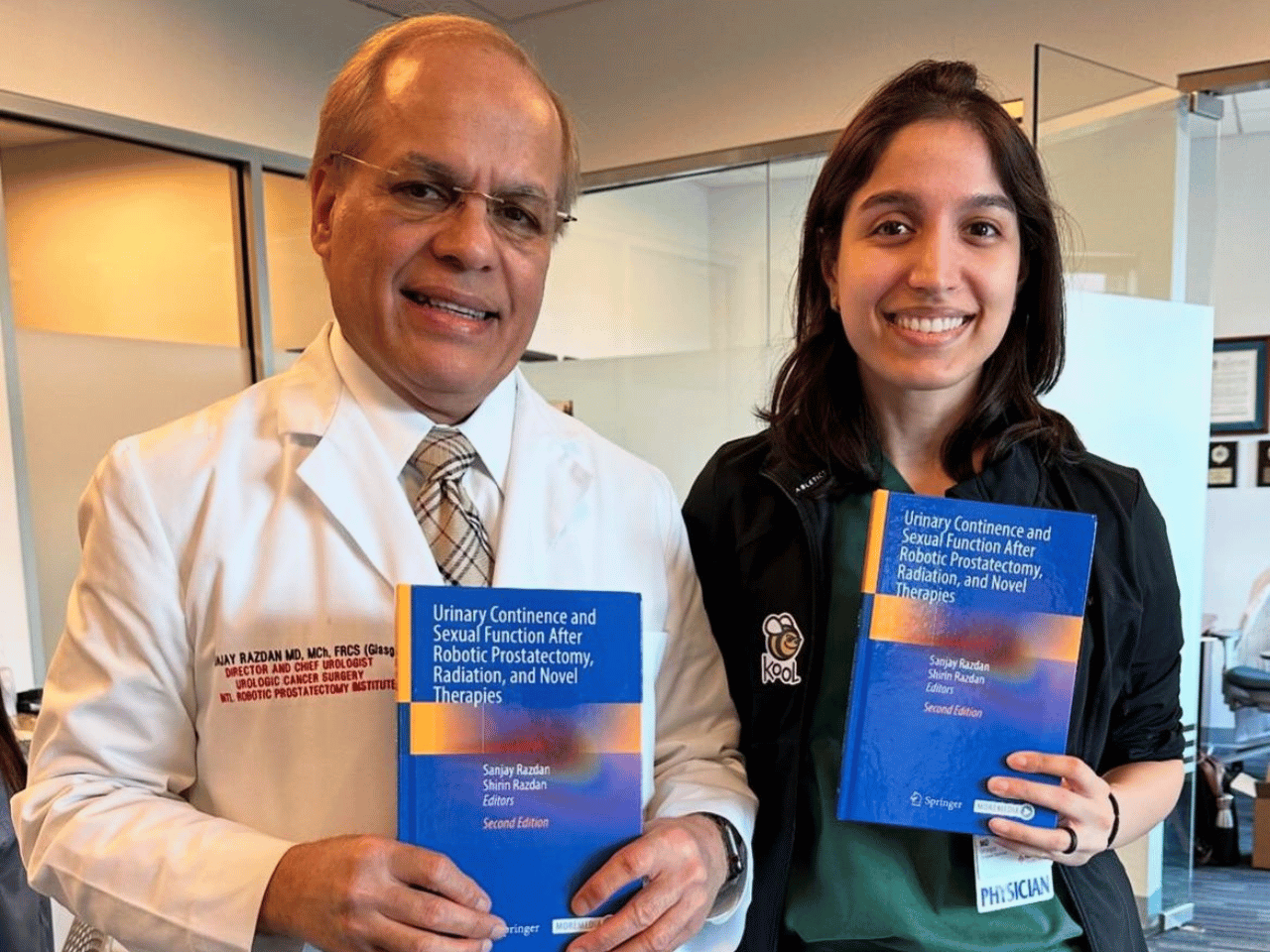
Dr. Shirin Razdan is a well-known urologist based in Miami who offers the best treatments with modern techniques for various conditions, including kidney stones, cancer, and prostate cancer. Her expertise and patient-centered care make her a popular choice for ureteroscopy patients. Dr. Razdan offers modern and innovative technology for treating kidney and urological conditions.
Why consider Dr. Shirin Razdan for Ureteroscopy for kidney stones?
Dr. Shirin Razdan is a well-known and skilled urologist dedicated to offering the possible outcomes of the surgery to her patients. Here are some factors that make her an ideal surgeon for treatment and ureteroscopy for kidney stones in Miami, Florida:
- Experience
- Expertise
- Personalized care
- Possible outcomes
- Committed to advanced technologies.
What should I expect after this procedure?
Ureteroscopy is a procedure performed under anesthesia, offering comfort to the patient throughout the procedure, which typically lasts 1 to 2 hours. With this procedure, the surgeon removes the stones by placing a stent that can help with the urine flow, resulting in reduced swelling. After the procedure, the patient may feel a burning sensation when urinating, but it is normal and can be cured within a few hours. Ureteroscopy may have some risks, such as infections in the urinary tract, injury, bleeding, or abdominal pain. This is a safe and effective method for removing stones from the urinary tract. This outpatient procedure helps patients return home after the surgery.
What is the post-procedure care and recovery of ureteroscopy?
- After the procedure, patients may experience pain that can be mild or moderate, but it can be managed with the prescribed medications.
- A common and temporary burning sensation during urination can be experienced and lasts for a short time.
- Blood in the urine can be observed, which may persist for a few days.
- A stent is placed during the procedure, which may result in frequent urination.
Recovery After Ureteroscopy
Recovery from ureteroscopy is a faster procedure that allows people to resume regular activities in a few days, within 5-7 days. Some of the patients return to work within one or two days. Different factors, such as the type of procedure, can lead to varying recovery times after the procedure. Generally, it takes a few days to recover after ureteroscopy, making the procedure a popular choice for kidney stone removal.
Book your appointment Today!
If you are struggling with kidney stones and need the right surgeon who can help relieve the pain and discomfort with an effective treatment method. With many options available in Miami for kidney removal treatments and skilled surgeons, it is difficult to find the ideal one. Dr. Shirin Razdan is a highly skilled urologist who offers the best treatment options for kidney-related issues. You can schedule your appointment with Dr. Shirin Razdan by contacting her through the following details:
Phone: 305-468-3314
Address: 3650 NW 82nd Avenue, Suite 502, Miami, FL 33166.
Frequently Asked Questions About Ureteroscopy For Kidney Stones Miami:
Question. What are the risks and complications of ureteroscopy?
Answer. Ureteroscopy is considered a safe procedure, but it can carry a few risks and complications, like other surgical treatments. The risks after this surgical procedure include bleeding, infection, and injury to the ureter. Abdominal pain can also be experienced in this surgery. The serious complications of the ureteroscopy include ureteral scarring and disconnection between the ureter and the kidney.
Question. Can the stent placed during this surgical procedure affect the body?
Answer. If the stent is placed during the procedure for the healing of the ureter, then it can lead to discomfort and burning while urinating. This discomfort and pain while urinating can last until the stent is removed.
Question. What are the criteria for eligibility for ureteroscopy?
Answer. The surgical treatment, ureteroscopy, is generally prescribed in conditions when the person is suffering from ureteral stones that cause pain, discomfort, and infections. This treatment generally treats and detects urinary tract infections, including tumors. When the other treatment options, such as shock wave lithotripsy, are not suitable for the patient, this treatment is considered the best.
Question. If I have a blood clotting disorder, can I undergo a ureteroscopy?
Answer. Ureteroscopy is a good choice for individuals who have blood clotting disorders, but it also requires a careful procedure that can manage the potential risks of bleeding. This suitable option can be useful for patients who cannot safely stop taking blood thinners.

Medically Reviewed By
Dr. Shirin Razdan
Dr. Shirin Razdan is the director of the robotic surgery department at the Comprehensive Urological Surgery Institute in Miami, Florida. She is one of the leading and world renowned robotic surgeons in the United States who completed her medical education from Icahn School of Medicine at Mount Sinai Hospital, New York and has undergone subspecialty training in Urologic Oncology and Robotic Surgery.