



What Conditions Can Be Treated with Robotic Kidney Surgery?
When people hear “robotic kidney surgery,” they usually assume it’s only for cancer.
That’s actually not true.
Robotic kidney surgery is used for several different conditions — some cancerous, some not — and the main goal is almost always the same: treat the problem while protecting as much kidney function as possible.
At her South Florida practice, Dr. Shirin Razdan uses robotic techniques to treat a wide range of kidney conditions. Patients often come in worried they’ll lose an entire kidney, only to learn there may be less invasive options.
Understanding what robotic kidney surgery can actually treat helps patients feel more prepared and less overwhelmed.
First — What Robotic Kidney Surgery Really Means
Robotic kidney surgery isn’t a different type of treatment.
It’s a different way of performing surgery.
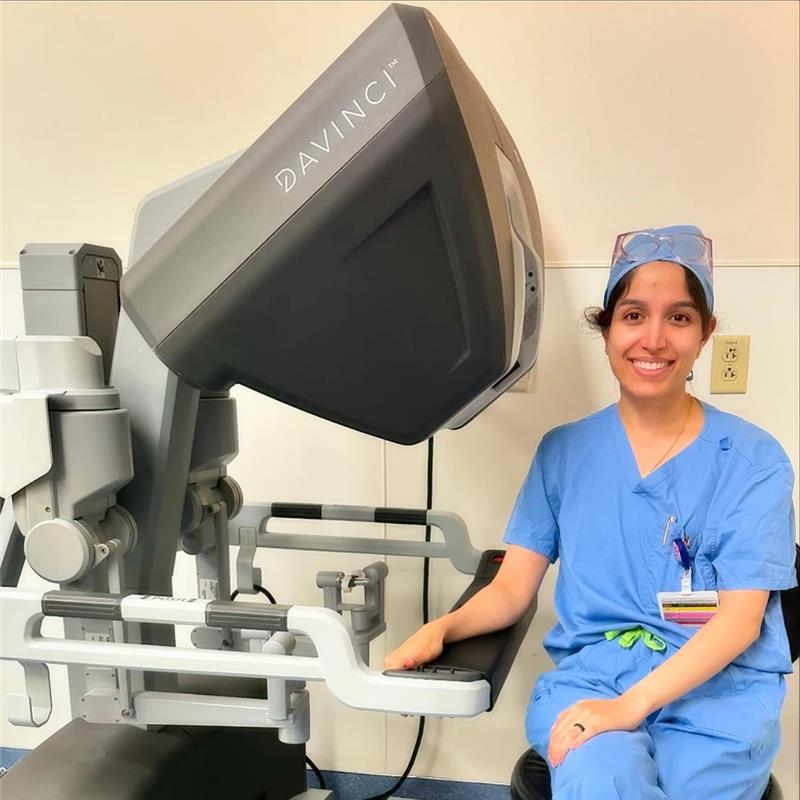
Instead of one large incision, the surgeon works through small openings using:
- high-definition 3D visualization
- extremely precise instruments
- controlled surgical movements
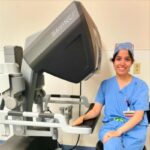
Dr. Razdan performs the surgery from a console, guiding every movement with careful precision.
The robot doesn’t make decisions.
The surgeon does.
The advantage is visibility, control, and the ability to protect delicate structures around the kidney.
Kidney Cancer (Renal Cell Carcinoma)
This is the most common reason patients undergo robotic kidney surgery.
Kidney cancer often develops without symptoms early on. Many tumors are found incidentally during imaging for unrelated issues.
When possible, Dr. Razdan performs robotic partial nephrectomy, which removes only the tumor while preserving the rest of the kidney.
Why this matters:
- preserves long-term kidney function
- reduces risk of future kidney disease
- maintains overall health outcomes
If the tumor is large or aggressive, full kidney removal may still be necessary. The decision depends on safety first.
Complex Kidney Tumors
Some tumors are harder to treat because of where they’re located.
For example:
- tumors near major blood vessels
- tumors deep inside the kidney
- tumors close to the urine drainage system
These cases require extreme precision.
Robotic technology helps surgeons operate in tight spaces while minimizing damage to healthy tissue. Dr. Razdan is known for managing complex kidney tumors with a strong focus on kidney preservation when possible.
Patients often travel specifically for this level of expertise.
Benign Kidney Masses
Not every kidney mass is cancer.
Some growths are benign but still require removal because they:
- continue growing
- cause symptoms
- create diagnostic uncertainty
Robotic surgery allows safe removal while preserving healthy kidney tissue.
Avoiding unnecessary loss of kidney function is always a priority.
Non-Functioning or Severely Damaged Kidneys
In some situations, a kidney stops working properly due to:
- chronic obstruction
- severe damage
- long-standing disease
- repeated infections
When a kidney is no longer functioning and causing problems, removal may be recommended.
Robotic surgery can perform this safely with less disruption to surrounding tissue and typically faster recovery.
Kidney Obstruction (UPJ Obstruction)
A ureteropelvic junction (UPJ) obstruction occurs when urine cannot drain properly from the kidney.
This can lead to:
- pain
- swelling of the kidney
- infections
- loss of kidney function over time
Robotic surgery can repair the blockage and restore normal urine flow. The precision of robotic instruments helps reconstruct delicate structures.
Kidney Cysts Causing Symptoms
Simple kidney cysts are common and usually harmless.
But sometimes they grow large enough to cause:
- pain
- pressure
- discomfort
- reduced kidney function
Robotic surgery can remove or drain symptomatic cysts while preserving the kidney.
Recurrent Kidney Infections
Chronic infections sometimes result from structural problems within the kidney.
When conservative treatment fails, surgery may be needed to correct the underlying issue or remove damaged tissue.
Robotic techniques allow careful correction with minimal disruption.
Why Kidney Preservation Is Always the Goal
Modern kidney surgery focuses on protecting long-term health — not just removing disease.
Losing kidney function increases risk for:
- high blood pressure
- chronic kidney disease
- cardiovascular problems
Dr. Razdan emphasizes kidney-sparing approaches whenever medically appropriate. Robotic surgery often makes that possible.
The objective is not simply removing a problem.
It’s protecting the patient’s future health.
How Dr. Shirin Razdan Decides Who Needs Robotic Surgery
Not every patient is a candidate. The decision depends on:
- tumor size and location
- kidney function
- imaging results
- medical history
- overall health
Some cases require traditional surgery for safety. Others benefit greatly from robotic techniques.
The treatment plan is always individualized.
Patients appreciate that the recommendation is based on what is safest — not just what is newest.
What Makes Dr. Shirin Razdan Different
Patients often choose Dr. Razdan because she focuses on:
- advanced robotic and minimally invasive urologic surgery
- kidney preservation whenever possible
- complex tumor management
- careful surgical planning
- patient education and transparency
Her approach combines technical precision with individualized care.
That combination makes a significant difference in outcomes.
What to Expect at a Consultation
A typical visit includes:
- review of imaging and diagnosis
- discussion of treatment options
- explanation of surgical approaches
- clear discussion of risks and recovery
- personalized recommendations
Patients leave with a clear understanding of their choices and next steps.
Frequently Asked Questions
Is robotic kidney surgery only for cancer?
No. It’s used for tumors, cysts, obstructions, non-functioning kidneys, and other structural problems.
Does robotic surgery mean faster recovery?
Often yes, but recovery depends on the specific procedure and individual health.
Can robotic surgery save my kidney?
In many cases, yes — especially with early tumors or localized disease.
Is robotic surgery safer than traditional surgery?
Safety depends more on surgeon experience and proper patient selection than the technique itself.
Will insurance cover robotic kidney surgery?
Coverage depends on the medical condition and insurance plan.
Contact Dr. Shirin Razdan
If you’ve been diagnosed with a kidney condition and want to know whether robotic surgery is an option, a consultation is the best place to start.
Dr. Shirin Razdan — Miami Robotic Surgery
Website: https://miamiroboticsurgery.com
Phone: 305-468-3314
Location: South Florida
Related posts:
 Dr. Shirin Razdan Featured on SurvivorNet – Breaking Down Prostate Cancer Facts, Myths, and Treatment Options
 Is Kidney Cancer Hereditary? Understanding Genetic Risk
 Kidney Cancer Symptoms in Females vs. Males: What’s Different?
 Partial vs. Radical Nephrectomy: How Surgeons Decide What You Actually Need