



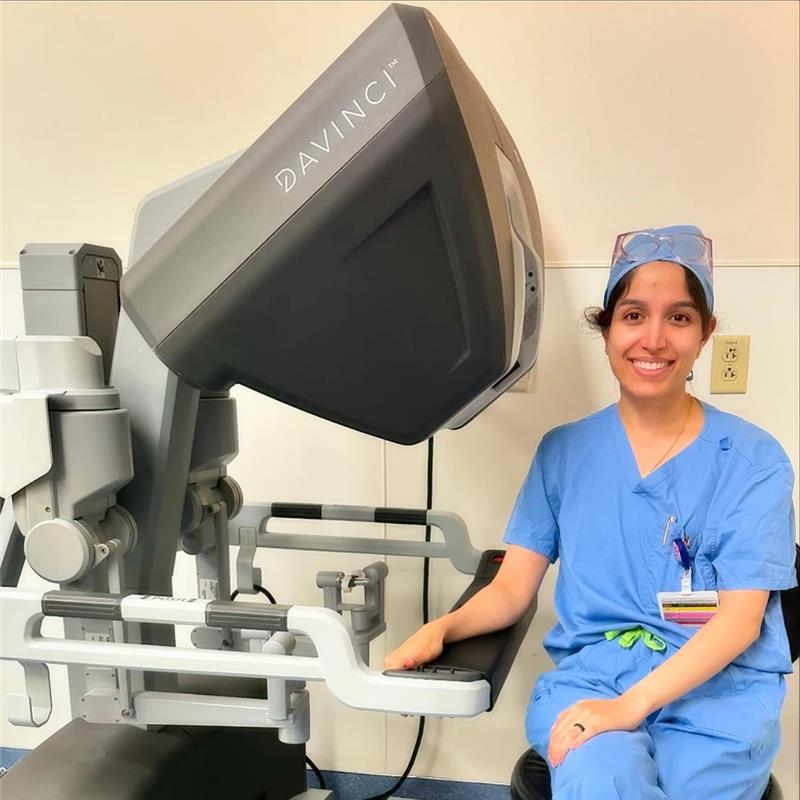
Urinary incontinence in women is far more common than most people realize — and it’s also one of the most misunderstood issues Dr. Shirin Razdan sees in her urology practice.
Many women assume leaking urine is just “part of aging,” something to live with after childbirth, or an unavoidable side effect of menopause. Others are embarrassed to bring it up at all. But according to Dr. Razdan, a broad certified urologist, that mindset often delays treatment that could significantly improve quality of life.
The reality is this: female urinary incontinence is treatable, and in many cases, it’s very manageable once the underlying cause is properly identified.
First, What Type of Incontinence Is It?
One of the most important steps Dr. Razdan takes is determining what kind of incontinence a woman is experiencing. Treatment depends entirely on this.
The most common types include:
- Stress incontinence – leakage with coughing, laughing, sneezing, or exercise
- Urge incontinence – a sudden, strong urge to urinate followed by leakage
- Mixed incontinence – a combination of both
- Overflow incontinence – incomplete bladder emptying leading to leakage
- Functional incontinence – difficulty reaching the bathroom in time due to mobility or neurologic issues
Many women have more than one contributing factor, which is why a one-size-fits-all approach rarely works.
Why Dr. Razdan Starts With Evaluation — Not Assumptions
Before recommending any treatment, Dr. Razdan focuses on why the leakage is happening.
That evaluation may include:
- A detailed symptom history (when it happens, how often, triggers)
- Physical and pelvic examination
- Bladder testing when appropriate
- Imaging or urodynamic studies if needed
- Review of medications and medical history
This step is critical. Treating the wrong type of incontinence with the wrong therapy is one of the most common reasons patients feel frustrated or disappointed elsewhere.
Non-Surgical Treatments (Often the First Step)
For many women, effective treatment doesn’t start with surgery.
Pelvic floor therapy
Strengthening the pelvic muscles can dramatically reduce stress incontinence, especially after childbirth or menopause.
Behavioral strategies
Bladder training, timed voiding, and fluid management often help women regain control.
Medications
Certain medications can calm an overactive bladder and reduce urge incontinence. Dr. Razdan carefully selects these based on symptoms and side-effect profiles.
Lifestyle adjustments
Weight management, addressing constipation, and modifying caffeine intake can make a noticeable difference.
Dr. Razdan often sees improvement at this stage alone — especially when treatment is customized instead of generic.
When Procedures or Surgery Are the Right Answer
If conservative options don’t provide enough relief, surgical treatments urinary incontinence may be appropriate.
Depending on the diagnosis, options may include:
- Urethral bulking injections to improve closure and reduce leakage
- Minimally invasive sling procedures for stress incontinence
- Advanced bladder therapies for urge incontinence
- Robotic or reconstructive procedures when anatomy or prior surgeries play a role
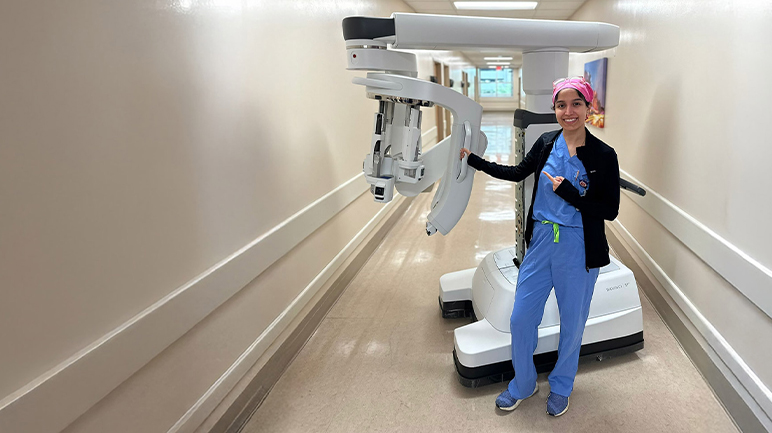
Dr. Razdan’s background in advanced minimally invasive and robotic surgery allows her to offer options that are precise, targeted and designed to preserve function.
Why Experience Matters in Female Incontinence Care
Urinary incontinence isn’t just a bladder problem — it’s often a pelvic floor, neurologic, hormonal, or anatomic issue.
Dr. Razdan’s approach stands out because she:
- Treats women specifically, not as a subset of male urology
- Looks beyond symptoms to underlying mechanisms
- Avoids overtreatment when simpler options will work
- Uses advanced techniques when surgery is truly needed
That balance is what many patients are missing when they’re told to “just do Kegels” or handed medication without a full evaluation.

What Improvement Typically Looks Like
Results vary depending on the type and severity of incontinence, but many women experience:
- Reduced leakage episodes
- Better bladder control during daily activities
- Improved confidence and quality of life
- Less anxiety around travel, exercise, or social events
Importantly, treatment is often stepwise. Adjustments are made based on response, not rushed decisions.
Frequently Asked Questions
Is urinary incontinence normal after childbirth?
It’s common, but not something you have to live with. Many postpartum women improve significantly with proper treatment.
Does menopause cause incontinence?
Hormonal changes can weaken pelvic tissues, but effective treatments are available.
Will I need surgery?
Not necessarily. Many women improve with non-surgical options alone.
Are pads the only solution?
No. Pads manage symptoms but don’t treat the cause.
How long does treatment take to work?
Some treatments help within weeks, others improve gradually over time.
Contact Dr. Shirin Razdan
If urinary leakage is affecting your comfort, confidence, or daily life, evaluation is the first step toward relief.
Website: https://miamiroboticsurgery.com
Phone: 305-468-3314
Dr. Razdan focuses on clear answers, thoughtful treatment, and options that fit your life — not assumptions about what women should simply tolerate.
Related posts:
 Dr. Shirin Razdan Featured on SurvivorNet – Breaking Down Prostate Cancer Facts, Myths, and Treatment Options
 Is Kidney Cancer Hereditary? Understanding Genetic Risk
 Kidney Cancer Symptoms in Females vs. Males: What’s Different?
 Kidney Cancer in Younger Patients: What’s Different About Treatment Decisions