



Renal cell carcinoma (RCC), the most common form of kidney cancer, is characterized by its rich vascularity and unique biological behavior. Because the kidneys receive approximately 20% to 25% of the body’s total cardiac output through the renal arteries and drain directly into the inferior vena cava (IVC), kidney cancer possesses direct access to the systemic circulatory network. Consequently, when renal tumors progress beyond the primary organ, malignant cells can disseminate to regional retroperitoneal lymph nodes or travel hematogenously (via the bloodstream) to distant organs.
Approximately 20% to 30% of newly diagnosed kidney cancer patients present with metastatic disease at the time of initial discovery (synchronous metastasis), while another 20% to 30% of those initially treated for localized disease may eventually experience distant recurrence (metachronous metastasis). Learning that kidney cancer has spread is daunting, but advancements in precision robotic surgery, immune checkpoint inhibitors, and targeted anti-angiogenic therapies have transformed metastatic renal cell carcinoma (mRCC) into a manageable, and in select cases curable, chronic disease.
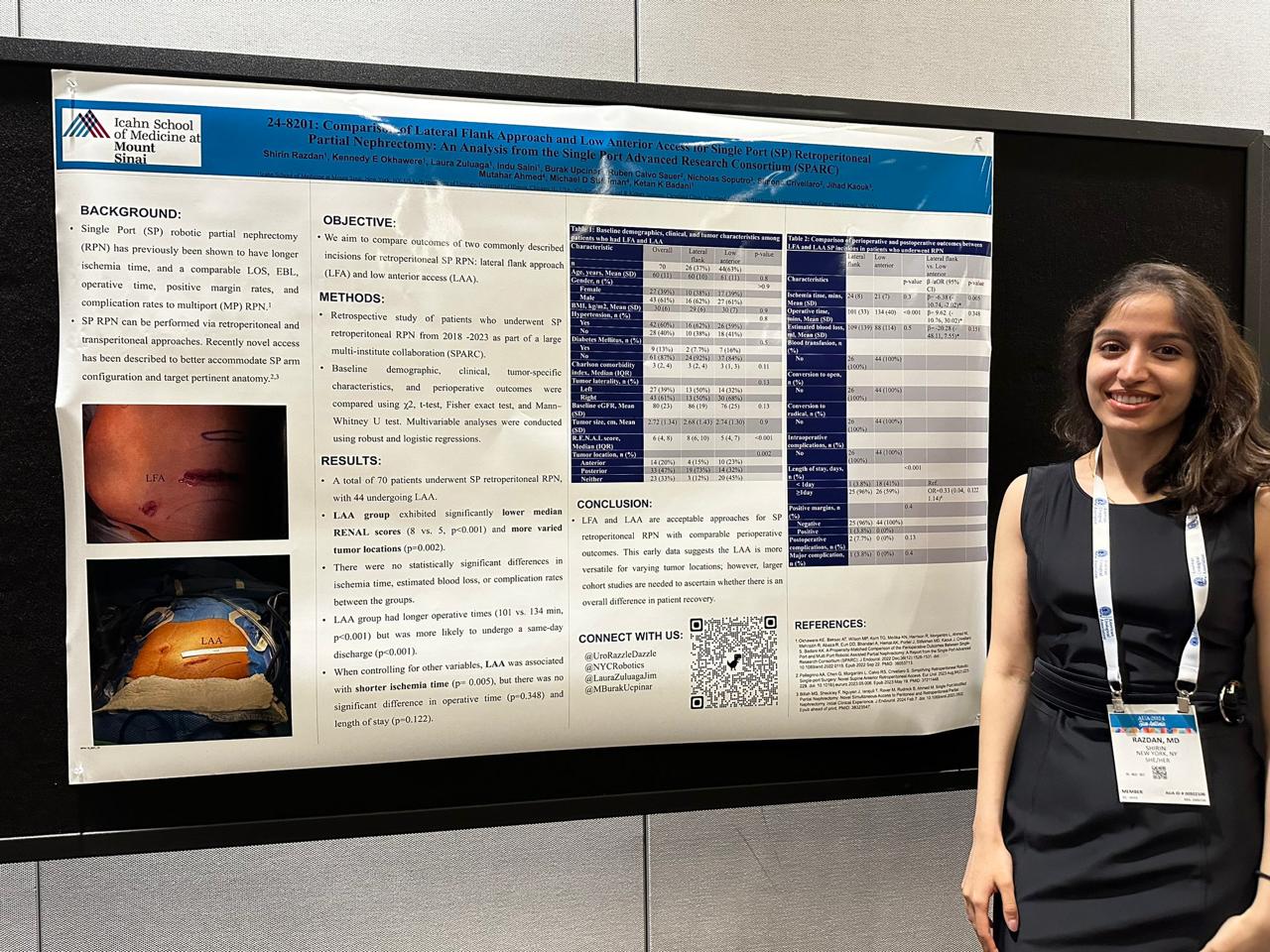
Practicing in Miami, Florida, Dr. Shirin Razdan, MD is a dual-fellowship trained, board-certified urologist specializing in advanced robotic urologic oncology and complex endourology. Having completed intensive robotic surgical and oncology fellowships at the Icahn School of Medicine at Mount Sinai in New York City, Dr. Razdan serves as the Director of the Robotic Surgery Department at the Comprehensive Urological Surgery Institute in Miami. Collaborating with medical oncologists, radiation oncologists, and thoracic surgeons, Dr. Razdan coordinates comprehensive staging and multimodal surgical treatment plans for patients with metastatic kidney cancer.
The Most Common Sites of Kidney Cancer Metastasis
Renal cell carcinoma can theoretically spread to virtually any organ in the human body, but it exhibits a distinct predilection for specific anatomical sites:
1. The Lungs and Mediastinum (50% to 60%)
The lungs represent the single most common site of RCC metastasis. Because venous blood from the kidneys empties into the inferior vena cava and travels directly through the right side of the heart into the pulmonary circulation, circulating tumor cells naturally lodge in the pulmonary capillary beds. Pulmonary metastases frequently appear on cross-sectional chest CT imaging as multiple, discrete, well-circumscribed nodules (often referred to radiographically as “cannonball lesions”). In its early stages, lung metastases are often completely asymptomatic, though extensive disease can cause chronic cough, dyspnea (shortness of breath), or hemoptysis (coughing up blood).
2. Bone (30% to 40%)
Bony metastasis is the second most frequent distant site, typically targeting the axial skeleton—including the spine, pelvis, ribs, and femurs. RCC bone metastases are predominantly osteolytic, meaning the cancer cells activate osteoclasts to dissolve and destroy normal mineralized bone tissue. This bone destruction frequently causes localized, progressive bone pain, hypercalcemia, and significantly increases the risk of skeletal-related events (SREs), such as pathologic fractures or spinal cord compression.
3. Retroperitoneal and Distant Lymph Nodes (15% to 25%)
Malignant cells first drain via lymphatic channels into regional paracaval, interaortocaval, and para-aortic lymph nodes adjacent to the renal vessels. If left unchecked, cancer cells can travel through the thoracic duct into distant lymphatic basins, including mediastinal, supraclavicular, or retrocrural lymph node chains.
4. The Liver (15% to 20%)
Hepatic metastases generally indicate more advanced, widespread hematogenous dissemination and are more frequently associated with intermediate-to-poor prognosis. Liver involvement can present with right upper quadrant abdominal pain, elevated alkaline phosphatase, or jaundice.
5. The Adrenal Glands (5% to 10%)
The adrenal glands sit directly atop each kidney. Metastasis can occur either by direct local extension through the upper renal capsule into the adjacent ipsilateral adrenal gland or via hematogenous spread to the contralateral (opposite) adrenal gland.
6. The Brain and Central Nervous System (5% to 10%)
Brain metastases from RCC are vascular and prone to intratumoral hemorrhage. Symptoms vary based on anatomical location and intracranial pressure, presenting as new-onset headaches, cognitive changes, focal neurological deficits, or seizures.
Modern Multimodal Treatment Strategies
Managing metastatic renal cell carcinoma requires a customized, multidisciplinary approach tailored to disease volume, pace of progression, and histological subtype:
[METASTATIC KIDNEY CANCER MANAGEMENT]
│
┌──────────────┴──────────────┐
▼ ▼
[OLIGOMETASTATIC / LOW VOLUME] [WIDESPREAD / INTERMEDIATE-POOR RISK]
- Upfront Cytoreductive Surgery • Dual Immunotherapy (Nivo + Ipi)
- Surgical Metastasectomy • Immunotherapy + TKI (Pem + Axi)
- Stereotactic Radiation (SBRT) • Consolidative Surgery if Stable
1. Systemic Immunotherapy and Targeted Therapies
Systemic therapy serves as the therapeutic backbone for widespread metastatic clear cell RCC:
- Dual Immune Checkpoint Inhibition: Regimens such as Nivolumab plus Ipilimumab release the molecular brakes on T-cells, enabling the immune system to attack cancer cells throughout the body and producing durable, long-term remissions.
- Immune Checkpoint Inhibitor + TKI Combinations: Combining a PD-1 inhibitor with a targeted VEGF receptor tyrosine kinase inhibitor (such as Pembrolizumab plus Axitinib, Cabozantinib plus Nivolumab, or Lenvatinib plus Pembrolizumab) delivers rapid disease shrinkage alongside sustained immunological control.
2. The Role of Cytoreductive Nephrectomy
Removing the primary kidney tumor in the setting of metastatic disease—known as Cytoreductive Nephrectomy (CN)—remains a powerful tool for select patients. In favorable-risk individuals or those with oligometastatic disease, removing the large primary tumor debulks the vast majority of cancer burden, halts the release of immunosuppressive cytokines, and improves overall survival. In intermediate-risk patients, deferred surgery can be performed after systemic immunotherapy stabilizes distant disease.
3. Surgical Metastasectomy and Stereotactic Ablative Radiation (SBRT)
For patients with oligometastatic disease (a limited number of metastases, such as 1 to 3 isolated lung or bone lesions):
- Complete Surgical Resection: Removing both the kidney and the isolated distant metastases (e.g., robotic nephrectomy combined with pulmonary wedge resection) can completely clear the patient of visible disease (M1 NED: No Evidence of Disease).
- Stereotactic Body Radiation Therapy (SBRT): Advanced, high-dose focused radiation can precisely ablate individual painful bone metastases or brain lesions without damaging surrounding healthy tissues.
Comparative Overview: Metastatic Presentation vs. Treatment Approach
| Metastatic Scenario | Clinical Characteristics | Primary Treatment Sequence | Role of Surgery |
| Oligometastatic (Solitary Lung or Adrenal) | 1–2 solitary, slow-growing lesions; favorable risk | Robotic Nephrectomy + Metastasectomy or SBRT | Curative-intent complete surgical clearance |
| Dominant Primary Kidney Mass | > 80% of tumor burden in kidney; few small lung spots | Upfront Cytoreductive Robotic Nephrectomy | Primary debulking before systemic immunotherapy |
| Moderate Metastatic Volume (Intermediate Risk) | Multiple lung/bone lesions; stable disease pace | Upfront Systemic Immunotherapy + TKI | Deferred / Consolidative nephrectomy if stable |
| Widespread / Rapid Progression (Poor Risk) | Liver, brain, and bone spread; multiple symptoms | Aggressive Systemic Combination Immunotherapy | Reserved for palliative symptom relief (bleeding/pain) |
Frequently Asked Questions (FAQ)
Is metastatic kidney cancer considered curable?
While widespread Stage 4 kidney cancer is generally considered treatable rather than universally curable, a distinct subset of patients achieve long-term complete remissions. Patients with solitary or oligometastatic lesions who undergo complete surgical resection of both the primary kidney mass and the metastases (metastasectomy) can remain disease-free for years. Furthermore, modern combination immunotherapies yield durable, treatment-free responses in select patients.
What symptoms suggest kidney cancer may have spread to the bones?
The most common indicator of bone metastasis is localized, progressive, dull skeletal pain that worsens at night or during weight-bearing activity. Patients should immediately report sudden, severe bone pain, unexplained limb weakness, or numbness, as these can signal an impending pathologic fracture or spinal cord compression requiring urgent stabilization.
How does Dr. Shirin Razdan determine if I am a candidate for surgery?
Candidacy is evaluated using standardized clinical models, primarily the IMDC (International Metastatic RCC Database Consortium) criteria, which assess functional performance status, hemoglobin levels, calcium, platelets, and neutrophil counts. Detailed cross-sectional contrast imaging (CT of chest, abdomen, pelvis, and brain MRI) is conducted to quantify the exact ratio of kidney tumor volume versus distant metastatic spread.
Conclusion
A diagnosis of metastatic kidney cancer requires specialized, proactive oncologic care. By understanding the common biological pathways of metastasis—from the lungs and retroperitoneal nodes to the bones and liver—patients and clinicians can design a targeted roadmap. By pairing modern immune checkpoint inhibitors and anti-angiogenic medications with advanced robotic cytoreductive surgery and targeted metastasectomy, Dr. Shirin Razdan helps patients achieve durable disease control while safeguarding overall functional vitality.