


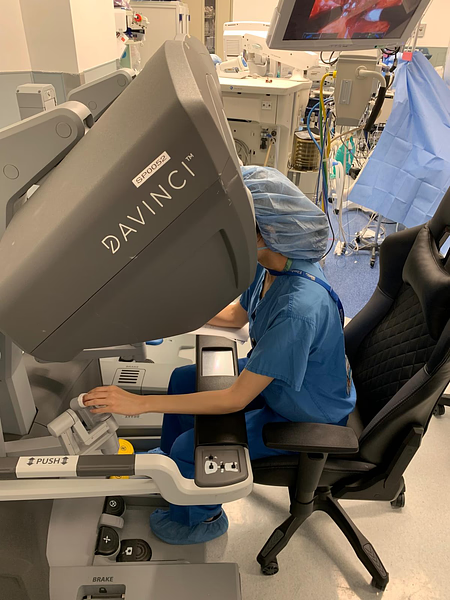
Many men assume prostate cancer screening is something to think about much later in life.
But one of the most important messages Dr. Shirin Razdan shares with patients is that timing matters when it comes to detecting prostate cancer early. Starting screening at the appropriate age can dramatically improve the chances of identifying prostate problems before they become serious.
At Miami Robotic Surgery, Dr. Razdan frequently evaluates men who either delayed screening or were unsure when they should begin. By helping patients understand their personal risk factors, she guides them toward screening schedules that support early detection and long-term prostate health.
Why Prostate Screening Is Important
Prostate cancer is one of the most common cancers affecting men. In many cases, it develops slowly and may not produce noticeable symptoms during the early stages.
That means men can have prostate cancer without realizing it.
Screening allows doctors to detect warning signs long before symptoms appear. Early detection often leads to:
- more treatment options
- less aggressive therapy
- better long-term outcomes
Dr. Shirin Razdan emphasizes that the goal of screening is not simply finding cancer — it is finding it early enough to treat it effectively while preserving quality of life.
The Standard Age to Begin Prostate Screening
For men with average risk, many medical guidelines recommend starting prostate cancer screening around age 50.
At this age, doctors typically begin monitoring prostate health through:
- PSA (Prostate-Specific Antigen) blood tests
- digital rectal exams (DRE)
These tests help identify potential changes in the prostate that may require further evaluation.
However, Dr. Razdan often reminds patients that screening should not follow a rigid rule for everyone. Individual health history and risk factors play a major role in determining the best time to start.
When Screening Should Start Earlier
Some men benefit from beginning prostate screening earlier than age 50.
Dr. Shirin Razdan frequently recommends earlier evaluation for men who have higher risk factors, including:
- a family history of prostate cancer
- a father or brother diagnosed with prostate cancer
- certain genetic predispositions
- African American heritage, which is associated with higher prostate cancer risk
For these patients, screening may begin around age 40 to 45.
Early screening helps physicians establish a baseline PSA level and track changes over time.
Understanding PSA Testing
One of the most common screening tools used by urologists is the PSA blood test.
PSA is a protein produced by prostate cells. Elevated levels in the blood can sometimes indicate prostate cancer, though other conditions may also cause PSA to rise.
Dr. Razdan uses PSA testing carefully, interpreting results in the context of each patient’s age, medical history, and prostate size.
Not every elevated PSA result means cancer is present. In fact, increases can also be caused by:
- prostate enlargement (BPH)
- inflammation of the prostate
- urinary infections
- recent medical procedures
This is why PSA results should always be evaluated by an experienced urologist.
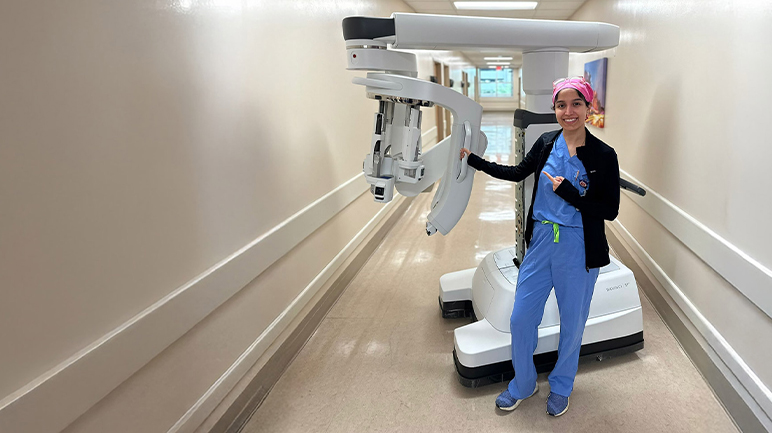
The Role of the Digital Rectal Exam
Although PSA testing receives most of the attention, the digital rectal exam (DRE) remains an important part of prostate screening.
During a DRE, the doctor gently examines the prostate through the rectal wall to check for:
- abnormal lumps
- irregular prostate shape
- areas of firmness
The exam is quick and typically takes less than a minute.
Dr. Shirin Razdan explains that combining PSA testing with physical examination provides a more complete picture of prostate health.
What Happens If Screening Finds Something Abnormal
If screening tests suggest a possible problem, additional evaluation may be recommended.
Depending on the situation, this may include:
- repeat PSA testing
- advanced imaging such as prostate MRI
- targeted prostate biopsy
Dr. Razdan carefully evaluates each case before recommending further testing. In many situations, elevated PSA levels can be monitored before moving toward more invasive procedures.
The goal is to avoid unnecessary treatment while still identifying serious disease early.
Why Early Detection Improves Outcomes
When prostate cancer is discovered at an early stage, treatment options are often less invasive and more effective.
Early detection can allow doctors to consider:
- active surveillance for low-risk cancers
- minimally invasive surgery
- targeted treatments that preserve function
Dr. Shirin Razdan frequently emphasizes that the earlier prostate cancer is detected, the greater the likelihood of successful treatment with fewer long-term side effects.
This is why understanding when to begin screening is so important.
How Dr. Shirin Razdan Helps Patients Navigate Screening Decisions
One of the challenges of prostate screening is determining the right approach for each individual patient.
Dr. Razdan takes a personalized approach to prostate health evaluation, considering factors such as:
- age
- family history
- PSA trends
- overall health
- lifestyle factors
By analyzing these elements together, she helps patients make informed decisions about when screening should begin and how frequently it should be performed.
Her goal is to provide proactive prostate care rather than reactive treatment.
Frequently Asked Questions
At what age should men begin prostate screening?
Most men with average risk begin screening around age 50, though some may start earlier depending on risk factors.
Should men with family history start screening earlier?
Yes. Men with close relatives who had prostate cancer may benefit from starting screening around age 40–45.
What tests are used for prostate screening?
Screening typically includes PSA blood tests and digital rectal exams.
Does a high PSA mean prostate cancer?
Not necessarily. PSA can rise due to several non-cancerous conditions, which is why further evaluation may be required.
How often should screening occur?
Screening frequency varies depending on PSA levels, age, and overall risk.
Contact Dr. Shirin Razdan
If you are approaching the age for prostate screening or have concerns about prostate health, consulting with a urologic specialist can provide clarity and peace of mind.
Dr. Shirin Razdan
Website: https://miamiroboticsurgery.com
A consultation can help determine the right screening schedule for your personal health profile and ensure that potential prostate issues are identified as early as possible.