


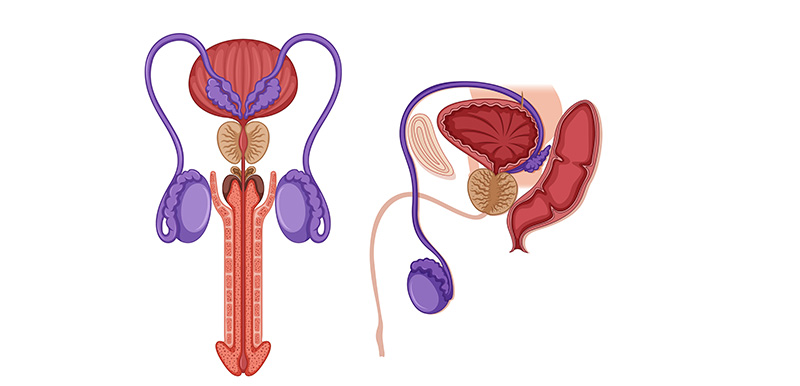
Erectile dysfunction (ED) is a deeply personal and often distressing condition that impacts millions of men worldwide. While oral medications, vacuum restriction devices, or localized injections provide adequate support for many, these non-surgical therapies do not work for everyone. When conservative options fail to deliver reliable, rigid erections, it can feel as though the journey toward intimate health has reached a definitive dead end.
Fortunately, modern medicine offers a permanent, highly dependable cure through prosthetic urology. At Miami Robotic Surgery, Dr. Shirin Razdan specializes in advanced penile implant surgery, helping men restore their sexual function and reclaim their confidence. Recognized as a 2025 Urology Research All-Star ranking in the top 5% of medical researchers nationwide, Dr. Razdan applies elite fellowship training and strict zero-infection protocols to provide customized, discrete prosthetic solutions. Let’s explore what constitutes severe erectile dysfunction, the non-surgical limits, and the specific clinical signs indicating it is time to consider a penile implant.
What is Severe Erectile Dysfunction?
Erectile dysfunction is defined as the persistent inability to achieve or maintain an erection firm enough for satisfactory sexual intercourse. While occasional difficulty is normal and often tied to stress, chronologically progressive or severe ED is rooted in deeper physiological or structural damage to the pelvic organs.
The primary underlying causes of severe erectile dysfunction include:
- Advanced Vascular Disease: Severe atherosclerosis or hypertension that restricts blood from properly filling the penile chambers.
- Diabetic Neuropathy: Uncontrolled blood sugar levels that damage the delicate nerve pathways responsible for signaling an erection.
- Post-Prostatectomy Nerve Trauma: Nerve damage that commonly occurs following radical prostate or bladder cancer removal, even when nerve-sparing techniques are utilized.
- Peyronie’s Disease: Significant plaque buildup that causes severe, painful penile curvature and structural tissue degradation.
The Limitations of Non-Surgical ED Treatments
Most men begin their treatment path utilizing standard, non-surgical methods. While these therapies serve as excellent first lines of defense, they act as temporary management strategies rather than permanent cures and can lose effectiveness over time:
Oral Medications (PDE5 Inhibitors)
Pills temporarily relax pelvic blood vessels to maximize natural blood flow. However, they rely entirely on functional nerves to trigger a reaction. For men with severe vascular disease or surgical nerve damage, oral pills are frequently ineffective.
Intracavernosal Injections
This method requires injecting a vasodilating medication directly into the side of the penile shaft shortly before intercourse. While highly effective at forcing an erection, many men find the process uncomfortable, and long-term use can lead to localized scarring (fibrosis).
Vacuum Erection Devices (Pumps)
An external plastic tube uses a vacuum to pull blood into the tissues, which is then trapped using a tension ring placed at the base of the shaft. While completely drug-free, the equipment can be cumbersome and completely interrupts the natural spontaneity of intimacy.
When is it Time to Consider a Penile Implant?
A penile implant (or penile prosthesis) is an internal medical device that is surgically placed within the natural erection chambers of the penis. Because it replaces the broken internal vascular mechanism, it represents a permanent, highly reliable solution.
A patient should consider transitioning from conservative management to a penile implant when:
- Conservative Treatments Have Completely Failed: Oral pills, pumps, and injections no longer produce an erection sufficient for intercourse.
- Medications Cause Severe Side Effects: The patient cannot tolerate the systemic side effects of ED drugs, such as severe headaches, vision changes, or cardiovascular strain.
- Spontaneity is a Priority: The couple wishes to eliminate the stress of planning intercourse around pill-absorption windows or needle preparation.
- Tissue Atrophy is a Threat: Long-term severe ED can cause internal tissue to contract and lose volume; an implant restores structural fullness and maintains baseline anatomy.
Types of Modern Penile Prosthetics
1. Three-Piece Inflatable Penile Implant
The most advanced and frequently chosen option. It consists of two inflatable cylinders placed within the shaft, a small fluid reservoir hidden in the lower abdomen, and a discrete pump placed within the scrotum. To achieve an erection, the patient simply presses the scrotal pump a few times to transfer fluid into the cylinders. A release valve on the pump returns the fluid to the reservoir, instantly recreating a natural, flaccid state.
2. Malleable (Semi-Rigid) Prosthesis
This option features two flexible, bendable rods implanted into the erection chambers. The penis remains permanently firm but can be easily bent upward for sexual activity or positioned close to the body for total concealment under clothing. This device requires no pumping or manual coordination, making it highly suitable for men with limited hand dexterity.
What to Expect During the Procedure and Recovery
Penile implant surgery is a highly streamlined, outpatient procedure performed under general or spinal anesthesia, typically taking less than an hour:
- The Incision: Dr. Razdan utilizes a single, small incision hidden either in the scrotum or lower abdomen, ensuring the device is completely invisible to the naked eye.
- The Healing Window: Mild swelling and soreness are normal during the first week. Most patients return to light daily routines and remote desk work within a few days.
- Activation and Intimacy: Following a routine post-operative assessment, patients undergo dedicated activation training in the office. Most men are cleared to safely resume sexual activity within 4 to 6 weeks of the procedure.
Why Expert Urological Supervision Matters
The placement of a penile prosthesis requires an exceptional standard of microsurgical precision and strict adherence to zero-infection protocols to ensure a lifetime of mechanical reliability. Dr. Shirin Razdan completed a rigorous urological residency and fellowship training at the Icahn School of Medicine at Mount Sinai in New York City, working directly with global leaders in prosthetic urology. Her specialized, compassionate approach ensures that your functional health is protected, allowing you to reclaim your confidence and your intimate life on your own terms.
Conclusion + CTA
Severe erectile dysfunction does not have to mean a permanent end to your relationships or your self-esteem. Through the safety and reliability of advanced penile prosthetics, you can access an on-demand, lifetime solution that feels entirely natural. Take the first step toward a permanent cure by consulting with South Florida’s premier men’s health specialist.
CTA: Contact Miami Robotic Surgery today at 305-468-3314 to schedule a confidential consultation with Dr. Shirin Razdan and explore penile implant options tailored to your life.