


Dealing with severe or chronic erectile dysfunction (ED) can be an incredibly frustrating and emotionally draining experience for a man. It can place a heavy strain on romantic relationships, erode self-confidence, and lead to an overall decline in quality of life. For many men, oral medications, injections, or vacuum devices provide adequate support. However, when these conservative options fail to deliver reliable results, it often feels as though the journey toward intimate health has reached a dead end. Fortunately, modern medicine offers a highly effective, definitive solution through prosthetic urology.
At Miami Robotic Surgery, Dr. Shirin Razdan specializes in advanced penile implant surgery, helping men restore their sexual function and reclaim their confidence. As a 2025 Urology Research All-Star (ranking in the top 5% of medical researchers nationwide), Dr. Razdan is at the absolute forefront of prosthetic and robotic urologic procedures. Let’s look at how advanced penile prosthetics function, the distinct types of implants available, and what a seamless surgical and recovery process looks like under the care of a top specialist in Miami.
What is Severe Erectile Dysfunction?
Erectile dysfunction is the consistent inability to achieve or maintain an erection firm enough for satisfactory sexual intercourse. While occasional difficulty is normal and can be triggered by stress or fatigue, chronic or severe ED indicates a deeper structural or physiological issue.
Common underlying causes of severe erectile dysfunction include:
Vascular Disease: Restricted blood flow to the pelvic region caused by atherosclerosis, hypertension, or high cholesterol.
Diabetes: High blood sugar levels can damage the microscopic blood vessels and nerves responsible for triggering an erection.
Post-Prostatectomy Side Effects: Nerve or tissue trauma following certain radical surgeries for prostate or bladder cancer.
Neurological Disorders: Conditions like Multiple Sclerosis or spinal cord injuries that block the brain’s signals from reaching the pelvic organs.
Severe Peyronie’s Disease: Significant curvature or painful scarring of the penile shaft that makes natural erections impossible.
Can Severe Erectile Dysfunction Be Cured Without Surgery?
When men first begin dealing with intimacy issues, they naturally explore non-invasive treatment paths. For mild or moderate cases of ED, conservative therapies can be highly effective. However, for severe structural, vascular, or nerve-related ED, non-surgical options typically act as temporary management strategies rather than definitive cures.
Several clinical factors influence the long-term success of non-surgical ED treatments:
The degree of nerve and tissue health: Damaged or severed nerves often fail to respond to chemical stimulants.
The patient’s cardiovascular profile: Severe arterial blockages prevent sufficient blood from trapping within the penile cylinders.
Tolerance to medication side effects: Many men cannot tolerate the systemic effects or financial costs of long-term prescription pills or penile injections.
Treatment fatigue: Relying on physical clamps, vacuum pumps, or painful needles prior to every intimate moment can take the spontaneity and joy out of a relationship.
While conservative therapies serve as an excellent first line of defense, an internal implant remains the gold standard when these methods no longer yield satisfactory outcomes.
Non-Surgical Erectile Dysfunction Treatment Options
- Oral Medications (PDE5 Inhibitors)
Popular prescription medications work by relaxing the smooth muscles of the pelvic floor, temporarily maximizing blood flow to the area. While widely popular, they rely on functional nerves and intact blood vessels to produce a physical response.
- Intracavernosal Injections
This method involves injecting a specialized vasodilating medication directly into the side of the penis shortly before intercourse. It bypasses oral absorption to trigger an automated erection, but many men find the process uncomfortable, and it carries a risk of scarring over time.
- Intraurethral Suppositories
A small medicated pellet is inserted directly into the opening of the urethra, where it dissolves and absorbs into the surrounding tissue. This provides a needle-free alternative to injections, though its overall effectiveness is often lower for severe cases.
- Vacuum Erection Devices (Pumps)
An external plastic cylinder is placed over the penis, and a manual or electric pump creates a vacuum that pulls blood into the tissues. A tension ring is then slid onto the base of the shaft to trap the blood. While functional, it requires cumbersome equipment that can interrupt intimate pacing.
- Shockwave Therapy
A non-invasive procedure that utilizes low-intensity acoustic waves to break up microscopic plaque and stimulate the growth of new blood vessels. This approach is highly suitable for mild vascular cases but rarely provides complete resolution for severe or surgical-induced nerve damage.
When is a Surgical Implant the Best Option?
When a patient has exhausted conservative management options without finding lasting relief, surgery becomes the most reliable pathway to a complete cure. A penile prosthesis replaces the broken internal mechanism with a stable, fully controllable system. For men who want to eliminate the unpredictability of medications, the pain of needles, and the physical constraints of external pumps, a surgical implant provides an unparalleled level of freedom and emotional relief.
What is Penile Implant Surgery?
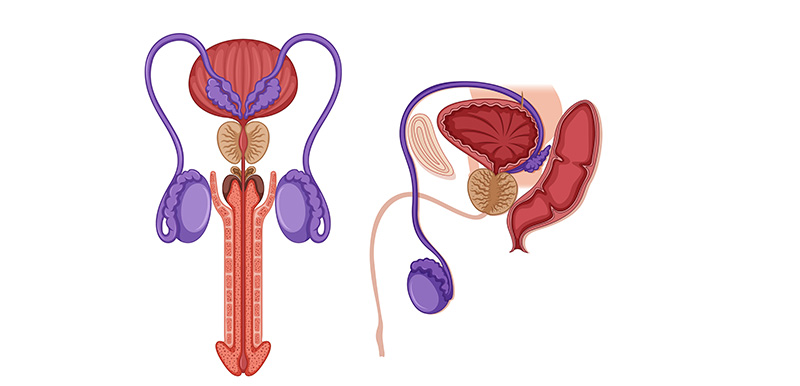
Penile implant surgery involves placing a concealed medical device inside the corpora cavernosa—the two fluid-collecting chambers of the penis. The procedure is performed under general or spinal anesthesia through a small, hidden incision made either in the lower abdomen or the scrotum.
Dr. Shirin Razdan brings extensive high-volume training to this delicate specialty, having completed a dedicated junior fellowship in prosthetic surgery where she mastered the nuances of anatomical reconstruction. Using a strict zero-infection protocol, Dr. Razdan ensures the highest standards of safety, precision, and cosmetic concealment, meaning the device is completely invisible to the naked eye when the patient is dressed.
Types of Advanced Penile Prosthetics
- Three-Piece Inflatable Penile Plant
The most advanced and commonly used prosthetic urology device. It consists of two inflatable cylinders placed within the penis, a small fluid reservoir tucked safely in the lower abdomen, and a discrete activation pump hidden within the scrotum. To achieve an erection, the patient simply squeezes the scrotal pump a few times, which transfers fluid into the cylinders. A release valve on the pump returns the fluid to the reservoir, instantly creating a completely natural flaccid state.
- Two-Piece Inflatable Implant
Similar to the three-piece model, this device utilizes cylinders and a scrotal pump, but integrates the fluid storage within the pump mechanism itself, eliminating the need for a separate abdominal reservoir. It is an excellent option for men who have extensive scarring in the lower abdomen from prior surgeries, though it provides slightly less rigidity than the three-piece option.
- Malleable (Semi-Rigid) Prosthesis
This option features two flexible, bendable rods implanted into the shaft. The penis remains permanently firm but can be easily bent upward for sexual activity or positioned close to the body for concealment under clothing. This device is highly suitable for men with limited hand dexterity or arthritis, as it requires no pumping or physical manipulation to activate.
Penile Implant Surgery vs. Non-Surgical Treatments
The differences between taking control through a permanent implant and managing symptoms with non-surgical choices are clear. Non-surgical options require continuous planning, ongoing prescription costs, and introduce an element of unpredictability to intimate moments. They do not stop the underlying progression of erectile tissue degradation.
On the other hand, advanced penile implant surgery is a one-time procedure that offers an immediate, on-demand solution. It allows for spontaneous intimacy without a waiting period, and the erection can be sustained for as long as the patient desires. Because the prosthetic sits entirely inside the body, it doesn’t affect a man’s natural sensation, ability to climax, or urination, making it the most reliable mechanism for full restoration.
Who is a Candidate for a Penile Implant?
A man is generally considered an excellent candidate for penile implant surgery if:
He experiences chronic, severe erectile dysfunction that does not respond to oral medications or injections.
He has a confirmed underlying cause, such as diabetic vascular damage or post-prostatectomy nerve trauma.
He is in stable general health and free from active urinary tract infections.
He has realistic expectations and a strong desire to permanently restore a spontaneous, active intimate lifestyle.
Why Early Intervention Matters
Living with long-term, untreated erectile dysfunction can lead to chronic psychological distress, marital strain, and a sense of premature aging. Furthermore, a long-term lack of natural erections can cause the internal tissues of the penis to atrophy and lose volume over time. Seeking an early consultation with a prosthetic urology expert like Dr. Shirin Razdan ensures that you preserve your tissue integrity, prevent unnecessary emotional suffering, and compress the time between diagnosis and a complete lifestyle restoration.
Conclusion + CTA
Severe erectile dysfunction does not have to mean the end of your intimate life or your confidence. Through the safety and innovation of advanced penile prosthetics, you can achieve a permanent, reliable, and entirely natural-feeling solution on your own terms. Dr. Shirin Razdan combines elite training from the Icahn School of Medicine at Mount Sinai with a deeply compassionate, personalized approach to guide you safely through every step of your recovery.
CTA: Contact Miami Robotics Surgery today to explore advanced penile implant options tailored to your condition.