


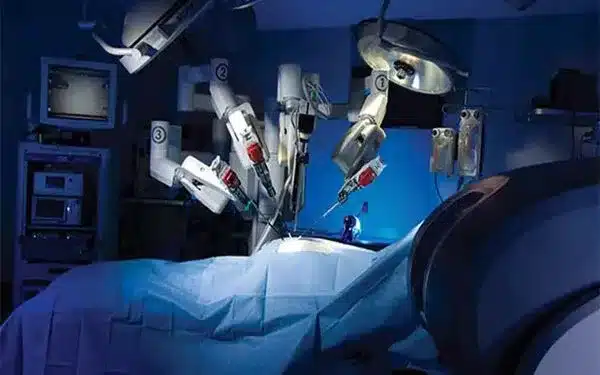
A ureteral blockage or stricture is a serious medical condition that can lead to chronic pain, recurrent infections, and irreversible kidney damage if left untreated. The ureters are the thin tubes responsible for transporting urine from the kidneys to the bladder; when these tubes become obstructed due to scarring, stones, or congenital issues, the entire urinary system is compromised. Historically, repairing these blockages required “open” surgery with large incisions and significant recovery times. However, advanced technology has introduced a more precise and less invasive alternative. At Miami Robotic Surgery, Dr. Shirin Razdan specializes in robotic ureteral reconstruction, a procedure that restores normal urinary flow with unmatched precision. For patients seeking the best urologist in Miami for ureteral repair, understanding the transition from traditional surgery to robotic innovation is essential. Let’s examine how robotic surgery works, the specific conditions it treats, and why Dr. Shirin Razdan’s approach leads to superior patient outcomes.
What is a Ureteral Blockage?
A ureteral blockage, also known as a ureteral stricture, occurs when a section of the ureter becomes narrowed or completely obstructed. This prevents urine from draining into the bladder, causing it to back up into the kidney—a condition known as hydronephrosis.
Common causes of ureteral blockages include:
- Surgical Scarring: Previous abdominal or pelvic surgeries can lead to scar tissue that constricts the ureter.
- Kidney Stones: Impacted stones can cause inflammation and eventual narrowing of the tube.
- Congenital Abnormalities: Issues present from birth, such as a Ureteropelvic Junction (UPJ) obstruction.
- Radiation Therapy: Treatment for pelvic cancers can sometimes cause the ureteral walls to thicken and narrow.
- Trauma: External injuries that damage the urinary tract.
Can a Ureteral Blockage Be Treated Without Surgery?
While some very small obstructions or those caused by temporary inflammation can be managed conservatively, most structural blockages require intervention. Non-surgical options are typically temporary measures rather than permanent cures:
- Ureteral Stents: A thin tube can be placed inside the ureter to bypass the blockage. While effective in the short term, stents must be changed regularly and can cause discomfort.
- Nephrostomy Tubes: A tube inserted through the back directly into the kidney to drain urine. This is usually a temporary solution to protect the kidney before a definitive repair.
For a permanent resolution that restores the natural anatomy and function of the urinary tract, reconstructive surgery is almost always necessary.
Top Treatments for Ureteral Reconstruction
- Robotic Pyeloplasty
This is the gold standard for blockages located at the junction where the kidney meets the ureter (UPJ obstruction). The robotic system allows the surgeon to excise the narrowed segment and suturing the healthy tissue back together with microscopic precision.
- Robotic Ureteral Reimplantation
Used when the blockage is near the bladder, this procedure involves detaching the ureter from the bladder, removing the damaged portion, and reattaching the healthy end to a new site in the bladder wall.
- Ureteroureterostomy
In cases where a blockage occurs in the mid-section of the ureter, the obstructed segment is removed, and the two healthy ends are sewn back together.
- Buccal Mucosa Graft
For long or complex strictures, Dr. Razdan may use a small graft of tissue from the inside of the patient’s cheek to “patch” and widen the ureter, a highly specialized technique that is significantly easier to perform robotically than through traditional means.
What is Robotic Ureteral Reconstruction?
Robotic ureteral reconstruction is a minimally invasive surgical technique that uses the da Vinci surgical system to repair or bypass obstructions in the urinary tract. Dr. Shirin Razdan utilizes both the da Vinci Xi and the cutting-edge Single Port (SP) platform, which allows for complex reconstruction through a single, tiny incision—often hidden in the belly button.
During the procedure, Dr. Razdan controls highly articulated instruments that offer a 360-degree range of motion, far exceeding the capabilities of the human hand. Combined with 3D, high-definition magnification, this allows for “mucosal-to-mucosal” suturing, ensuring a watertight and durable repair that minimizes the risk of the blockage returning.
Benefits of Robotic Ureteral Reconstruction
- Superior Visualization: The 3D camera allows Dr. Razdan to see delicate nerves and blood vessels that are difficult to identify in traditional surgery.
- Minimally Invasive: Instead of a large flank incision, patients have tiny “keyhole” ports, leading to much less post-operative pain.
- Faster Recovery: Most patients are discharged within 24 hours and return to normal activities weeks sooner than with open surgery.
- Lower Complication Rates: Precision robotics reduce the risk of bleeding, infection, and damage to surrounding organs.
- Aesthetic Results: Particularly with the Single Port approach, scarring is virtually invisible once healed.
Who is a Candidate for Robotic Ureteral Repair?
Most patients with a ureteral stricture or UPJ obstruction are candidates for the robotic approach. It is especially beneficial for:
- Patients with recurring blockages who have failed previous treatments.
- Individuals seeking to avoid the long recovery of open surgery.
- Patients with complex anatomy or significant scar tissue from prior operations.
Why Early Intervention Matters
A blocked ureter is a silent threat to kidney function. As urine backs up, the pressure can cause the kidney to swell and eventually lose its ability to filter blood. Early diagnosis and repair are critical to “save the kidney.” By addressing the blockage before permanent damage occurs, Dr. Razdan can ensure that patients maintain their long-term renal health and avoid the need for dialysis or more radical surgeries later in life.
Conclusion + CTA
Ureteral blockages no longer require invasive, life-disrupting surgery. Through the precision of robotic technology and the expertise of a 2025 Urology Research All-Star, Dr. Shirin Razdan provides a path to a permanent cure with minimal downtime. If you are struggling with the pain and complications of a ureteral obstruction, do not wait for kidney damage to occur.
CTA: Consult a specialist at Miami Robotic Surgery today to explore robotic ureteral reconstruction options tailored to your condition.