


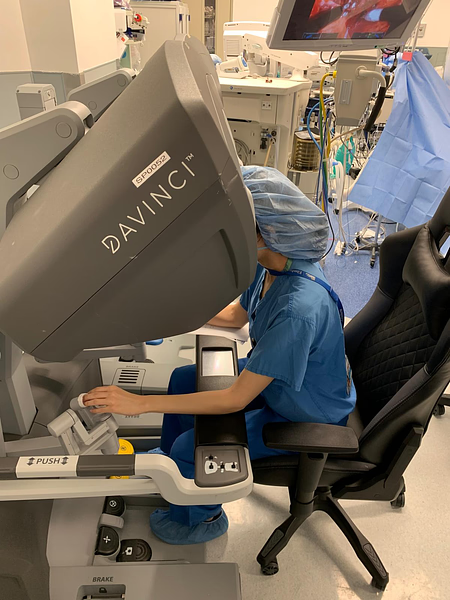
Most patients don’t actually worry about the surgery itself.
Not at first.
What they really want to know is:
What happens before?
What happens after?
What does recovery actually feel like?
Because that’s the part that affects real life.
When patients meet with Dr. Shirin Razdan at her Miami practice, those are usually the conversations that matter most. Not just the procedure — but everything around it.
And the truth is, a lot of anxiety comes from not knowing what to expect.
Once that’s clear, things start to feel much more manageable.
Before Surgery: What the Process Actually Looks Like
Most patients expect a quick consultation and a surgery date.
That’s not how it works — at least not with Dr. Razdan.
The pre-surgical phase is where a lot of important decisions are made.
It Starts With Understanding the Diagnosis
Whether it’s:
- a kidney tumor
- a urologic condition
- a mass that needs evaluation
The first step is clarity.
At Miami Robotic Surgery, Dr. Razdan spends time reviewing:
- imaging (CT scans, MRIs)
- lab work
- symptoms and history
- risk level and urgency
Patients aren’t rushed through this.
Because the surgical plan depends on understanding the full picture.
Not Every Patient Needs Surgery Right Away
This surprises a lot of people.
Just because something is found doesn’t automatically mean surgery is the next step.
Dr. Razdan often walks patients through:
- active surveillance options
- timing considerations
- whether the condition is stable
- risks of waiting vs operating
That level of honesty builds trust.
Because patients quickly realize:
this isn’t about pushing surgery — it’s about choosing the right moment for it.
Preparing for Surgery (What Patients Actually Do)
Once surgery is the right decision, preparation begins.
This usually includes:
- pre-operative testing (labs, clearance)
- medication adjustments
- fasting instructions before surgery
- planning time off work
- arranging support at home
Patients are also told exactly what to expect the day of surgery.
No guessing.
No last-minute surprises.
The Day of Surgery: What It Feels Like From the Patient Side
Most procedures performed by Dr. Razdan are minimally invasive or robotic.
That changes the experience significantly.
Patients typically:
- arrive at the hospital or surgical center
- meet anesthesia and surgical teams
- undergo the procedure under general anesthesia
From the patient’s perspective, it’s straightforward.
You go to sleep.
You wake up.
But behind the scenes, this is where surgical precision matters most.
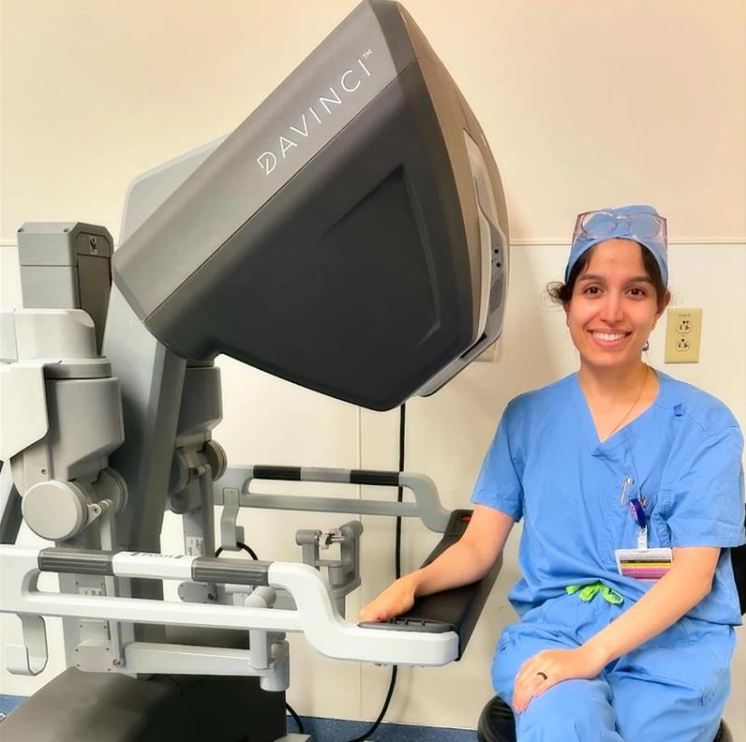
Why Technique Matters Before You Even Wake Up
One thing patients don’t always realize:
Your recovery is largely determined during the surgery itself.
Dr. Shirin Razdan specializes in robotic and minimally invasive techniques designed to:
- reduce tissue trauma
- preserve healthy structures
- minimize blood loss
- support faster healing
That’s not just about making surgery “easier.”
It directly affects what happens afterward.
Immediately After Surgery: The First 24–48 Hours
This is where expectations matter.
Most patients experience:
- some soreness or discomfort
- mild fatigue
- limited mobility at first
But compared to traditional open surgery, recovery is usually smoother.
Many patients are:
- walking within hours or the next day
- discharged quickly depending on the procedure
Pain is typically manageable — and often less than patients expect.
The First Week: Where Patients Start to Adjust
This is the phase patients are most curious about.
And also the one that varies the most.
During the first week, patients usually:
- move around more each day
- manage mild discomfort with medication
- follow basic activity restrictions
- begin returning to simple routines
Dr. Razdan gives very specific guidance here.
Because doing too much too soon — or too little — can affect recovery.
Weeks 2–4: Getting Back to Normal
This is when things start to feel more like normal life again.
Most patients notice:
- energy levels improving
- less discomfort
- increased mobility
- return to light work (depending on job type)
For many procedures, this is the turning point.
Patients start feeling like themselves again.
Longer-Term Recovery: What Patients Don’t Always Expect
Full recovery doesn’t happen overnight.
Even when patients feel “fine,” the body is still healing internally.
Over the next few weeks to months:
- tissues continue to repair
- strength gradually returns
- full activity is reintroduced
- follow-up imaging or labs may be done
Dr. Razdan stays involved during this phase.
Because recovery isn’t just about healing — it’s about making sure everything is progressing correctly.
Why Patients Specifically Choose Dr. Shirin Razdan
There are a lot of surgeons who perform robotic procedures.
Patients who choose Dr. Shirin Razdan are usually looking for something more specific:
- experience in complex urologic and kidney procedures
- focus on minimally invasive techniques
- attention to preserving function and outcomes
- clear communication before and after surgery
At Miami Robotic Surgery, the goal isn’t just to perform the procedure.
It’s to guide patients through the entire process — from diagnosis to recovery.
Where Expectations Matter Most
One of the biggest differences in patient experience comes down to expectations.
Patients who understand:
- what recovery actually feels like
- what timeline to expect
- what’s normal vs concerning
tend to recover with less anxiety.
That’s something Dr. Razdan emphasizes early.
Because when patients know what’s coming, they handle it better.
Frequently Asked Questions
How long does surgery usually take?
It depends on the procedure, but many robotic surgeries take a few hours.
Is robotic surgery safer than traditional surgery?
It often allows for less invasive access and faster recovery, but outcomes depend heavily on the surgeon’s experience.
How painful is recovery?
Most patients describe manageable discomfort rather than severe pain.
When can I go back to work?
Many patients return within 2–4 weeks, depending on the procedure and job type.
What should I watch for after surgery?
Patients are given clear instructions on symptoms that should be reported, such as fever or unusual pain.
Contact Dr. Shirin Razdan
If you’re preparing for surgery — or trying to decide if surgery is the right step — a consultation can help you understand exactly what to expect.
Dr. Shirin Razdan
Website: https://miamiroboticsurgery.com
During your visit, your condition will be reviewed in detail, and you’ll get a clear, realistic understanding of the entire process — before, during, and after surgery — so you can move forward with confidence.