


Peyronie’s disease is a condition that impacts a large number of men physically and emotionally, causing curvatures in the penis, pain during erection, and even erectile dysfunction. It can be challenging to discuss such a sensitive issue, but when you find the right doctor to consult, it becomes easy to understand and manage the disease.
Diagnosed with Peyronie’s disease? Understanding the concept, when, and who to consult can significantly impact your treatment journey. In this guide, we will discuss Finding the Right Peyronie’s Disease Doctor When and Who to Consult and explore all the signs you should watch for, the types of doctors to consult, and how to ensure the best care possible.
Do you know what Peyronie’s Disease is?
Peyronie’s disease is a condition that is caused by the development of scar tissue, known as plaque, inside the penis, resulting in painful erections and a noticeable bend or curve. The exact cause of Peyronie’s disease is not clear, but factors such as trauma, genetics, and health conditions can be responsible for the development of this scar issue.
Symptoms of Peyronie’s disease can range from mild to severe, in which men experience both physical and emotional effects, such as anxiety and relationship issues. To prevent the worsening of the condition, it becomes important to consult the right doctor at the right time.
What is the Right Time to Seek Medical Help?
The signs of Peyronie’s disease can develop gradually, and in the early stages of this condition, many men ignore the symptoms. If you notice any symptoms given below, it becomes essential to seek medical attention. Here are some symptoms of Peyronie’s disease you don’t need to ignore:
- Penile Curvature or a bent penis can be a significant sign of Peyronie’s disease. If you have a noticeable bend in your penis when erect, it can indicate Peyronie’s disease.
- Painful erections or intercourse can be a significant symptom. This discomfort and pain can worsen with time.
- Erectile dysfunction can develop due to plaque buildup within the penile tissues.
- A lump or hard spot in the penis can be the first sign that scar tissue is developing.
- Shortening of the Penis can be an indication of the progression of the disease.
If you have noticed any of the given signs, it is advised to consult a doctor as soon as possible. With early diagnosis and treatment, you can manage symptoms and prevent the condition from worsening.
Finding the Right Peyronie’s Disease Doctor
For the treatment of Peyronie’s disease, a right healthcare provider is important who specialises in the treatment methods and ensures that you receive the most effective and comprehensive care. Below are the medical professionals mentioned who can diagnose and treat Peyronie’s disease.
1. Urologists:
Urologists are the medical professionals who specialise in the male reproductive and urinary systems.
- With expertise and experience, urologists are the most common Peyronie’s disease specialists whom you can consult.
- Their experience and skills allow them to diagnose the condition, determine its severity, and recommend the best treatment options for Peyronie’s disease, including medications, injections, and even surgery if necessary.
- They can diagnose the condition through physical examinations and imaging tests.
- They can discuss various treatment options, from non-surgical options to more invasive procedures.
2. Sexual Health Specialists
Sexual Health specialists are the medical professionals who specialize in men’s health and offer expertise in the management of the conditions that affect sexual function. They can help men deal with the psychological aspects of the disease. You can consult them as they also offer therapy to help cope with anxiety, depression, or relationship issues.
3. Plastic Surgeons (For Severe Cases)
When the case of Peyronie’s disease is severe, surgery is required to correct the curvature. For extreme curvatures or when the conservative treatments have failed, plastic surgeons can help with their skills in penile reconstruction.
4. Andrologists
Andrologists are the healthcare professionals who focus on the male-specific health issues, including reproductive and sexual health problems. They can handle complex cases of this condition, especially where erectile dysfunction and infertility are the issues.
What are the treatment Options Available?
Once you have found the right doctor and scheduled a consultation, the next step is to discuss the treatment options available for Peyronie’s disease. Treatment options, such as conservative and non-conservative, are available depending on the severity of your condition.
1. Oral Medications can be an option to reduce the inflammation and plaque buildup. The oral medications are used for mild cases.
2. Injections can help break down the scar tissue that causes curvature and reduce the bend in the penis.
3. Surgery can be recommended in some cases to correct the curvature.
4. Penile Implants can help restore erectile function, as some men experience erectile dysfunction due to Peyronie’s disease.
Who is the best Urologic Surgeon to consult for Peyronie’s disease?
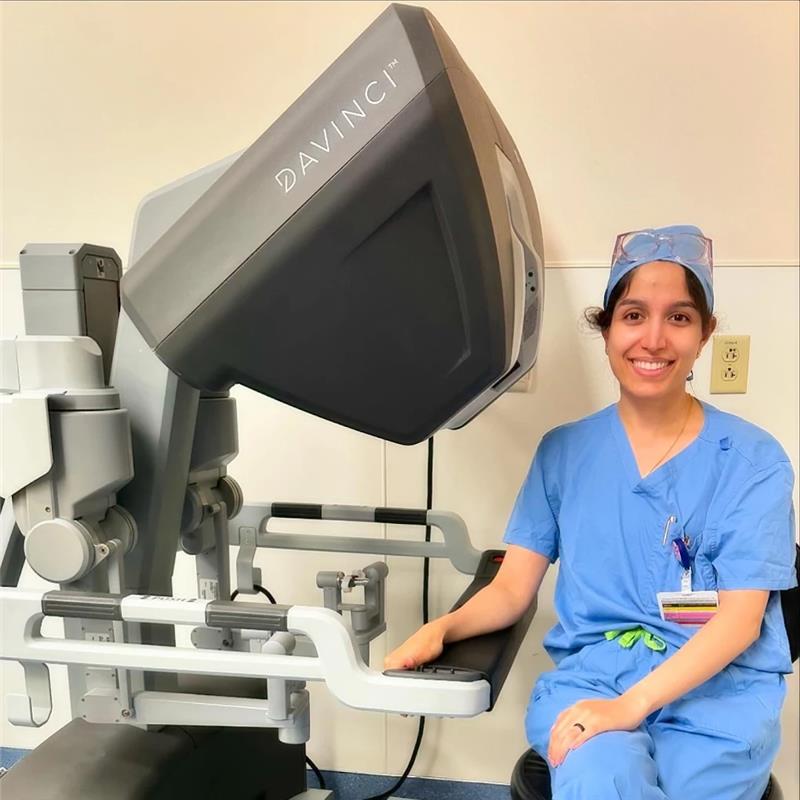
Dr. Shirin Razdan, based in Miami, FL, is considered the best robotic urologic surgeon who specialises in the diagnosis and treatment of Peyronie’s disease. Her expertise and comprehensive skills in treating conditions with advanced techniques have made her one of the preferred choices among people in Miami and the surrounding areas. If you are in Miami or the surrounding areas and suffering from Peyronie’s disease, you can consult her for the favourable outcomes. She, along with her team, will develop a comprehensive and personalised treatment plan that can meet your unique needs. You can contact Dr. Shirin Razdan at 305-468-3314.
Frequently Asked Questions:
Question 1. Can Peyronie’s disease be cured completely?
Answer. Currently, no complete cure for Peyronie’s disease is available. Some treatments, like surgery, medications, and injections, can be performed to manage the symptoms of Peyronie’s disease and improve quality of life.
Question 2. Can Peyronie’s Disease lead to infertility?
Answer. Peyronie’s disease does not directly cause infertility, but the erectile dysfunction can impact the ability of men to conceive.
Question 3. Do I need to make lifestyle changes to manage Peyronie’s disease?
Answer. Lifestyle changes alone cannot cure the condition, but managing stress, maintaining a healthy diet, and avoiding trauma to the penis can help alleviate some symptoms.
Question 4. Does Peyronie’s disease affect every man in the same way?
Answer. No, the effects and symptoms of Peyronie’s disease can vary depending on different factors. Some men experience mild curvature, pain, and discomfort, while some experience these signs significantly.
Question 5. What is the recovery time of Peyronie’s disease after the treatment?
Answer. Recovery time after the treatment can vary depending on the type of treatment performed. Non-invasive treatments may take a few months for recovery or show results. On the other hand, surgical treatment needs several weeks for recovery.