


For decades, the standard treatment algorithm for kidney cancer was compartmentalized: localized disease was managed strictly with surgical resection, while advanced or metastatic disease was treated with systemic medications. Traditional cytotoxic chemotherapy was notoriously ineffective against renal cell carcinoma (RCC) biology, and early immunotherapies like high-dose interleukin-2 or interferon-alpha were hampered by severe systemic toxicity and low response rates.
The introduction of modern immune checkpoint inhibitors (ICIs)—specifically monoclonal antibodies targeting programmed cell death protein 1 (PD-1), programmed death-ligand 1 (PD-L1), and cytotoxic T-lymphocyte-associated protein 4 (CTLA-4)—has transformed this paradigm. Rather than viewing surgical extirpation and immunotherapy as separate, competing modalities, contemporary urologic oncology pairs them in a coordinated multimodal strategy. Integrating precision robotic surgery with targeted immunotherapy addresses both macroscopic primary tumors and invisible microscopic circulating cancer cells.
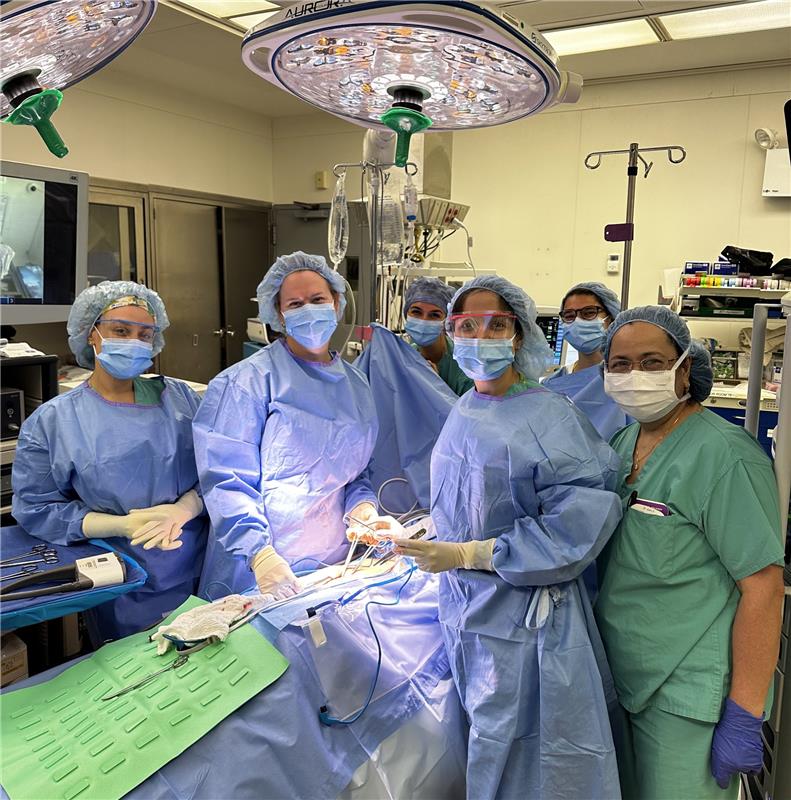
Practicing in Miami, Florida, Dr. Shirin Razdan, MD is a dual-fellowship trained, board-certified urologist specializing in advanced robotic urologic oncology and complex endourology. Having completed intensive robotic surgery and oncology fellowships at the Icahn School of Medicine at Mount Sinai in New York City, Dr. Razdan serves as Director of the Robotic Surgery Department at the Comprehensive Urological Surgery Institute in Miami. Collaborating closely with medical oncologists, Dr. Razdan coordinates surgical timing with systemic immunotherapy to optimize long-term oncologic control for patients with locally advanced, high-risk, and metastatic kidney cancer.
The Biological Mechanism: How Immunotherapy Re-arms the Immune System
Renal cell carcinoma is an immunogenic malignancy, meaning the body’s immune system recognizes tumor cells as foreign but is actively suppressed by the tumor’s microenvironment:
- The Immune Checkpoint Off-Switch: Under normal physiological conditions, immune checkpoints prevent autoimmunity by halting T-cell activation. Renal cancer cells hijack this protective mechanism by expressing high levels of PD-L1, which binds to the PD-1 receptor on circulating cytotoxic CD8+ T-cells. This interaction deactivates the T-cell, allowing tumor cells to multiply undetected.
- Checkpoint Inhibition: Monoclonal antibodies—such as Pembrolizumab (anti-PD-1), Nivolumab (anti-PD-1), and Ipilimumab (anti-CTLA-4)—bind to these checkpoint proteins and block their inhibitory signaling. By removing these molecular brakes, checkpoint inhibitors restore the body’s native immune response, enabling T-cells to identify, infiltrate, and destroy renal cancer cells throughout the body.
Sequencing Surgery and Immunotherapy: Neoadjuvant, Adjuvant, and Cytoreductive Models
The clinical synergy between surgery and immunotherapy depends on the timing of systemic administration relative to robotic nephrectomy:
1. Adjuvant Immunotherapy (Post-Surgical Consolidation)
Administered after radical or partial nephrectomy for patients whose final surgical pathology demonstrates a high risk of relapse (such as Stage T3/T4 disease, high Fuhrman/WHO/ISUP Grade 4, sarcomatoid differentiation, or positive regional lymph nodes):
- The Goal: When the primary tumor is resected, microscopic tumor cells may remain dormant in distant capillary beds. Administering adjuvant pembrolizumab for one year eliminates these micrometastases before they form visible recurrences, significantly improving disease-free and overall survival.
2. Neoadjuvant / Perioperative Immunotherapy (Pre-Surgical Priming)
Administered before surgical extirpation while the primary kidney tumor remains intact:
- The Biological Rationale: The presence of the primary tumor provides a broad reservoir of tumor-specific antigens. Delivering immunotherapy before surgery allows dendritic cells to sample these antigens, priming a diverse and robust polyclonal T-cell response before the main tumor mass is removed.
- Surgical Downstaging: For locally advanced tumors invading adjacent structures or exhibiting extensive renal vein/inferior vena cava (IVC) tumor thrombus, pre-operative systemic therapy can induce tumor shrinkage, turning technically borderline cases into safe robotic operations.
3. Cytoreductive Nephrectomy (Debulking in Stage 4 Disease)
For patients with metastatic kidney cancer, surgery and immunotherapy are integrated to manage systemic disease:
- Deferred (Consolidative) Nephrectomy: Patients with intermediate-risk metastatic RCC often initiate combination systemic therapy (such as Nivolumab + Ipilimumab or Pembrolizumab + Axitinib) first. If restaging scans after 3 to 6 months demonstrate stability or shrinkage of distant metastases, Dr. Razdan performs a robotic cytoreductive nephrectomy to remove the primary kidney tumor, eliminating the dominant source of immunosuppressive cytokines and drug-resistant clones.
Comparing Multimodal Protocols: Surgery and Systemic Therapy
| Treatment Sequence | Clinical Indication | Primary Oncologic Objective | Role of Robotic Surgery |
| Upfront Surgery Alone | Localized T1–T2 Low/Intermediate Grade | Complete cure via anatomical resection | Definitive curative partial/radical nephrectomy |
| Surgery Followed by Adjuvant ICI | High-Risk Localized (pT3, pT4, pN1, Sarcomatoid) | Prevent distant metastatic recurrence | Complete extirpation + lymph node staging |
| Neoadjuvant ICI Followed by Surgery | Locally advanced / extensive vascular thrombus | Immune priming and anatomical downstaging | Consolidative robotic resection of primary site |
| Systemic ICI + Deferred Surgery | Metastatic RCC with responding distant sites | Deepen response; resect primary resistant bulk | Cytoreductive nephrectomy after disease stabilization |
The Robotic Advantage: Protecting the Systemic Timeline
When immunotherapy is integrated with surgery, the recovery profile of the surgical procedure is paramount. If an open operation with a large, muscle-cutting flank incision leads to wound complications, surgical site infections, or prolonged recovery, the initiation of life-prolonging immunotherapy can be delayed for months.
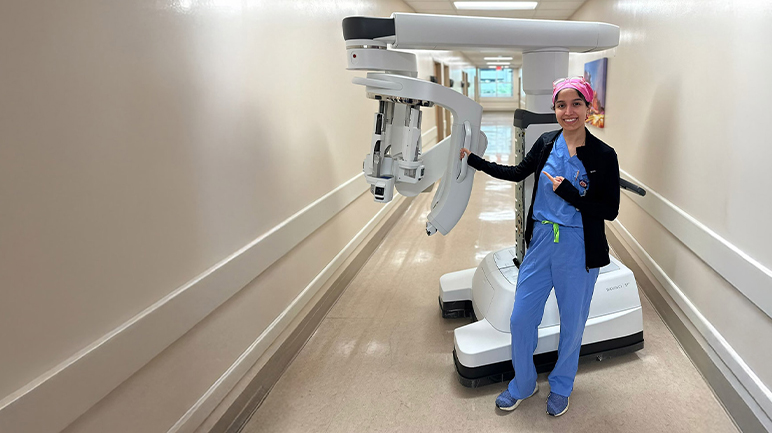
Dr. Shirin Razdan utilizes advanced robotic-assisted and single-port platforms to perform complex kidney cancer resections:
- Keyhole Incisions: Small 5 to 12 mm ports minimize abdominal wall trauma, blood loss, and narcotic requirements.
- Rapid Convalescence: Robotic nephrectomy patients are typically ambulating on the day of surgery and discharged within 24 to 48 hours.
- Preserving the Therapeutic Window: Because tissue healing occurs rapidly without large open wounds, patients can safely start or resume systemic immunotherapy regimens within 3 to 6 weeks post-surgery.
Frequently Asked Questions (FAQ)
Can immunotherapy replace surgery for a localized kidney tumor?
No. For localized renal cell carcinoma, surgical removal (partial or radical nephrectomy) remains the primary curative therapy. Immunotherapy is not used as a standalone substitute for surgery in localized disease because solid kidney tumors do not reliably achieve complete pathologic eradication through immunotherapy alone. Instead, immunotherapy serves as an adjuvant or neoadjuvant partner to surgery in high-risk scenarios.
What are the common side effects of combining immunotherapy with surgery?
While surgery carries anatomical risks (such as bleeding or temporary bowel sluggishness), immunotherapy triggers immune-related adverse events (irAEs) due to systemic immune activation. Common side effects include fatigue, rash, pruritus, and endocrine changes like thyroiditis. Clinicians monitor organ function via regular blood work to catch rare immune-mediated inflammation of the liver (hepatitis), lungs (pneumonitis), or colon (colitis) early.
How soon after robotic kidney surgery can I begin immunotherapy?
Most clinical trial protocols and guideline recommendations indicate initiating adjuvant immunotherapy within 6 to 12 weeks following nephrectomy. Patients must demonstrate healed surgical incisions, stable renal function, and recovery of baseline physical stamina before starting systemic infusions.
Conclusion
The management of complex and high-risk kidney cancer has moved past single-modality treatment. By combining precise robotic surgical resection with targeted immune checkpoint inhibition, clinicians can eliminate the primary physical tumor while mobilizing the body’s immune defences against microscopic and metastatic disease. Through minimally invasive robotic techniques, meticulous pathological risk stratification, and close multidisciplinary collaboration, Dr. Shirin Razdan provides patients with coordinated, evidence-based care tailored to maximize survival and quality of life.